

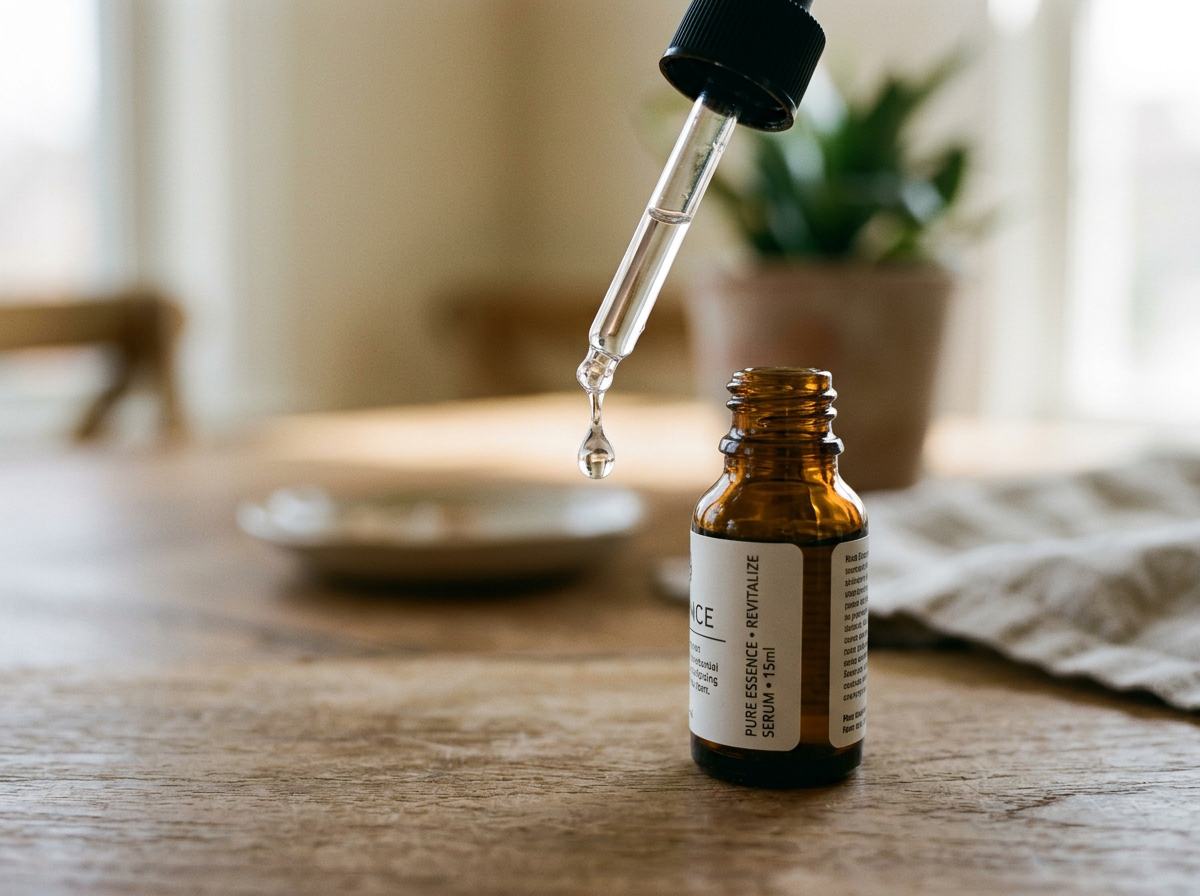
In modern cosmetic chemistry, few active ingredients match the multi-tasking versatility of niacinamide in skincare. Also known as Vitamin B3, this water-soluble vitamin plays a critical role in cellular energy synthesis and intercellular lipid production, making it a cornerstone component for reinforcing the moisture barrier, evening sallow skin tone, and refining visible pore micro-texture.
Unlike aggressive resurfacing agents that require barrier acclimation, Vitamin B3 is exceptionally well-tolerated across all skin profiles. However, maximizing its cosmetic benefits requires choosing the correct formulation concentration—typically between 2% and 5%—and understanding proper layering order with active partners like Vitamin C, Retinoids, and Hyaluronic Acid. In this comprehensive guide, we explore the cosmetic chemistry of this powerhouse ingredient, evaluate top serum formulations, and show you how to layer it for a smooth, radiant, glass-skin complexion.
1. The Cosmetic Science: How Vitamin B3 Supports Barrier & Tone
Understanding why this nutrient is so widely recommended requires examining its physiological action within the upper stratum corneum and epidermal layers:
Ceramide & Lipid Synthesis: Vitamin B3 serves as a precursor to essential coenzymes (NADH and NADPH) that stimulate the natural biosynthesis of intercellular lipids—specifically Ceramides, Free Fatty Acids, and Cholesterol. This strengthens the moisture barrier and reduces transepidermal water loss (TEWL).
Melanosome Transfer Inhibition: Unlike exfoliating acids that remove surface pigment, this active inhibits the transfer of melanosomes from melanocytes to keratinocytes by up to 68%, gradually fading sallow, uneven tone and post-blemish marks.
Sebum Regulation & Pore Appearance: By normalizing surface oil production and preventing sebum accumulation within follicle walls, niacinamide keeps pores clean and prevents them from stretching, creating a smoother micro-texture.
2. Concentration Science: Why 2% to 5% Strength Is Ideal
In product formulation, higher percentages do not always yield superior cosmetic results. Cosmetic clinical trials consistently demonstrate optimal barrier and tone benefits within moderate concentration ranges:
- 2% Niacinamide: Proven to boost natural ceramide production and reduce transepidermal water loss. Excellent for delicate or compromised moisture barriers.
- 4% to 5% Concentration: The gold-standard range for evening sallow skin tone, improving elasticity, and refining micro-texture without triggering flushing.
- 10%+ Formulations: Intensive targeted boosters designed for resistant pore texture and heavy oiliness. Should be introduced gradually or mixed into lightweight moisturizers.
3. At-a-Glance Concentration Comparison Matrix
Compare how different Vitamin B3 percentages perform across key skin parameters:
| Concentration Tier | Primary Cosmetic Mechanism | Sensory Finish & Feel | Best Routine Alignment |
|---|---|---|---|
| 2% Strength | Stimulates barrier lipid & ceramide synthesis | Ultra-light fluid | Weightless comfort | Daily moisture barrier maintenance for sensitive skin |
| 4% – 5% Strength | Inhibits pigment transfer & regulates surface oil | Silky fluid gel | Radiance bounce | Optimal sweet spot for tone evening & glass skin |
| 10%+ Intensive Booster | Intensive pore refining & sebum control | Concentrated serum | Clean drydown | Targeted treatment for stubborn pore texture & oiliness |
4. Top Vitamin B3 Formulations Reviewed
We evaluated top-rated brighteners based on formulation synergy, barrier safety, texture performance, and layerability:
Top Recommended Formulations
Paula’s Choice 10% Niacinamide Booster
Hero Actives: 10% Niacinamide (Vitamin B3), Acetyl Glucosamine, Licorice Root Extract, Hyaluronic Acid
Finish & Texture: Water-Light Fluid | Instant Weightless Absorption
A high-potency liquid booster formulated to visibly refine enlarged pore appearance and smooth bumpy micro-texture. Combined with Acetyl Glucosamine and Licorice Root, it works synergistically to even out tone and strengthen barrier resilience.
✗ Cons: Higher 10% concentration should be introduced gradually on delicate skin profiles.
Anua Peach 70% Niacinamide Serum
Hero Actives: 5% Niacinamide, 70% Fermented Peach Extract (Prunus Persica), Alpha-Arbutin, Vitamin B12
Finish & Texture: Silky Pink Serum Fluid | Dewy Soft Radiance
A viral K-beauty tone-evening serum formulated with a sweet-spot 5% Vitamin B3 base suspended in 70% bio-fermented peach extract. It hydrates sallow, tired skin, smooths rough micro-texture, and imparts a translucent glass-skin glow.
✗ Cons: Has a subtle natural fruity aroma from peach extract.
La Roche-Posay Pure Niacinamide 10 Serum
Hero Actives: 10% Pure Niacinamide, Hyaluronic Acid, HEPES, Thermal Spring Water
Finish & Texture: Cushioning Milky Gel | Velvety Barrier Comfort
Formulated specifically for sensitive barriers prone to uneven tone. It combines 10% pure Vitamin B3 with hydrating Hyaluronic Acid and soothing thermal water to restore lipid balance while fading dark spots and surface discoloration.
✗ Cons: Contains a light hypoallergenic fragrance.
As an Amazon Associate, I earn from qualifying purchases. Recommendations are based on independent formulation analysis.
5. How to Layer Your Serum: Synergy Rules & Active Pairings
Vitamin B3 is one of the most compatible actives in skincare. Integrate it seamlessly into your daily regimen according to thin-to-thick viscosity guidelines:
- With Hyaluronic Acid (Hydration & Barrier Cushion): Layering a multi-weight Hyaluronic Acid Serum alongside Vitamin B3 plumps stratum corneum cells while boosting natural ceramide synthesis.
- With Retinoids & Bakuchiol (Anti-Aging Buffering): Applying this active prior to Retinol or Bakuchiol reinforces the moisture barrier, reducing dryness and acclimation flaking.
- With Vitamin C (Tone & Radiance Boost): Modern stabilized Vitamin C formulas (such as 3-O-Ethyl Ascorbic Acid or Ascorbyl Glucoside) pair brilliantly with niacinamide to target stubborn discoloration without triggering flushing.
- Pairs Great with Beauty Devices: Lightweight fluid serums provide smooth conductive slip when paired with facial absorption tools like the Medicube AGE-R Booster Pro.
6. Frequently Asked Questions (FAQs)
It stimulates the natural synthesis of lipids, ceramides, and free fatty acids in the stratum corneum, reinforcing the moisture barrier and preventing water evaporation.
Yes! Niacinamide is non-acidic and gentle, making it safe for daily morning (AM) and evening (PM) use across all skin types.
In concentrations above 10%, unbuffered nicotinic acid impurities can cause temporary facial flushing in sensitive skin profiles. Stick to 2% to 5% formulas for gentle daily maintenance.
Yes! Mixing 2 to 3 drops of a high-potency booster into a ceramide cream is an excellent way to dilute high concentrations and boost overall barrier hydration.
7. Final Verdict: Incorporating Vitamin B3 into Your Daily Stack
Adding a well-formulated niacinamide serum to your skincare regimen is one of the most reliable ways to build a resilient, smooth, and radiant skin barrier. By choosing optimal concentrations between 2% and 5%, applying on clean, prepped skin, and pairing with complementary humectants and lipid moisturizers, you unlock effortless tone evening and pore-refining glass-skin results!
To explore more skincare routine frameworks and active ingredient deep-dives on our website, check out these related guides:
- Master fluid layering order: Toner vs. Essence vs. Serum Layering Guide.
- Explore face toner chemistry: Toner for Face: Hydration & pH Balance Master Guide.
- Learn about HA molecular weights: Hyaluronic Acid in Skincare Master Guide.
- Compare humectant choices: Hyaluronic Acid vs. Other Hydrators Guide.
- Explore barrier lipid repair: Ceramides vs. Cholesterol & Fatty Acids Guide.
Leave a Reply