

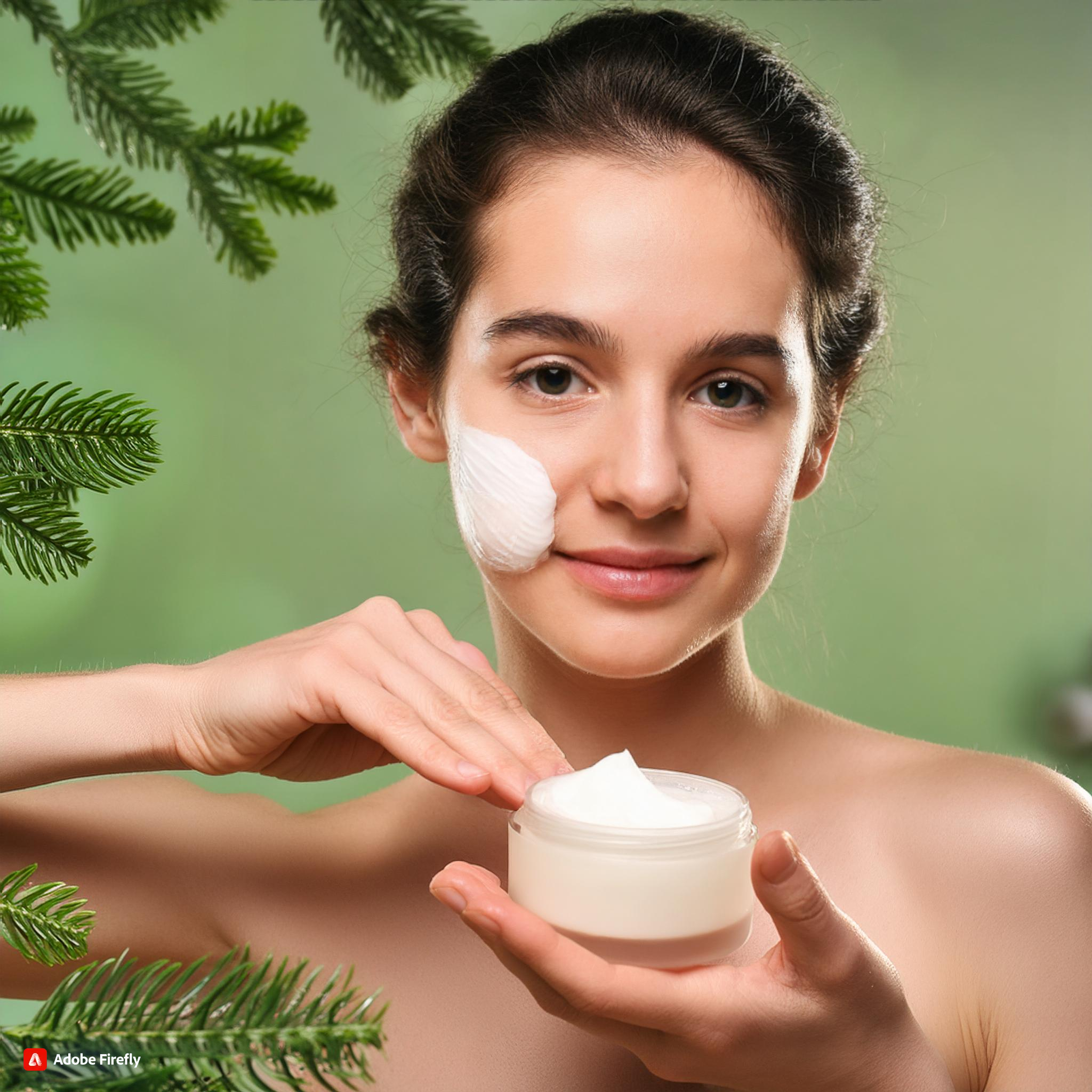
Sensitive skin can feel like a constant battle. Redness, itching, stinging, burning – it reacts to everything! Finding a skincare routine that calms your skin without causing flare-ups can be incredibly frustrating. But don’t despair! Caring for easily irritated skin isn’t about harsh treatments; it’s about gentle care, patience, and understanding your skin’s unique needs.
If you’re looking for practical ways to manage skin reactivity and build a routine that brings comfort, not chaos, you’ve come to the right place. These gentle skincare tips for sensitive skin are designed to help you soothe irritation, strengthen your skin barrier, and achieve a calmer, happier complexion.
Let’s dive into the essentials of a sensitive skin friendly routine. For a broader understanding of what sensitive skin is and how to manage it comprehensively, consult our foundational guide: Sensitive Skincare: Your Complete Guide to Understanding, Calming, and Caring for Reactive Skin (Your Sensitive Skin Pillar). For holistic pore care advice, explore our Ultimate Guide to Pore Care: Achieve Smoother, Clearer Skin & Visibly Minimize Pores.
Table of Contents
-
- Patch Test Every New Product
-
- Simplify Your Skincare Routine
-
- Choose Fragrance-Free Products (Truly Fragrance-Free)
-
- Use a Gentle Cleanser and Lukewarm Water
-
- Prioritize Hydration & Barrier Support
-
- Be Cautious with Exfoliation (Or Skip It)
-
- Wear Sunscreen Daily (Mineral Might Be Best)
-
- Learn to Read Ingredient Labels
-
- Be Gentle During Application
-
- Give Products Time to Work and Be Patient
- Conclusion: Master Your Gentle Care for Sensitive Skin
- Frequently Asked Questions About Sensitive Skin Care
1. Patch Test Every New Product
This is arguably the most crucial step for anyone with reactive skin. Before applying a new serum, moisturizer, or even cleanser to your entire face, patch test it on a small, inconspicuous area.
- How to do it: Apply a small amount of the product behind your ear, on your jawline, or on the inside of your wrist.
- Wait: Leave it for at least 24-48 hours, ideally up to 72 hours.
- Check: Look for any signs of redness, itching, burning, or rash.
- Why it works: This helps you identify potential irritants before you risk a full-face reaction, saving you discomfort and wasted product. It’s a simple yet effective way to test new skincare products safely.
[Image: A clear image demonstrating how to patch test a product on the inner forearm or behind the ear.]
Alt Text: Hand applying a small amount of skincare product to the inner forearm for a patch test, a crucial tip for sensitive skin.
Want to see how it’s done? Watch this quick guide:
[Video Embed: A short, instructional video on how to perform a patch test correctly for sensitive skin. Title: “How to Patch Test Skincare Products for Sensitive Skin”.]
Video Description: Learn the correct way to patch test new skincare products to avoid irritation and reactions, especially important for sensitive skin.
2. Simplify Your Skincare Routine
When your skin is sensitive, less is often more. A routine with too many products increases the chances of encountering an ingredient that triggers a reaction.
- Goal: Stick to the basics: a gentle cleanser, a soothing moisturizer, and sunscreen. For a complete guide to routine building, check out Building Your K-Beauty Pore Care Routine: Step-by-Step for Smoother Skin.
- Why it works: A minimalist skincare routine for sensitive skin reduces the number of potential irritants your skin is exposed to daily. It also makes it easier to pinpoint which product might be causing an issue if a reaction does occur.
- How to do it: Build your routine slowly. Introduce new products one at a time, waiting a week or two before adding the next, after successfully patch testing.
3. Choose Fragrance-Free Products (Truly Fragrance-Free)
Fragrance is one of the most common culprits behind skincare reactions, including contact dermatitis. This applies to both synthetic fragrances and many “natural” essential oils.
- Look for: Labels that explicitly state “fragrance-free” or “parfum-free.”
- Be wary of: “Unscented” products, which can still contain chemicals to mask odors but may still cause irritation.
- Why it works: Avoiding artificial fragrances and strong natural scents significantly lowers the risk of skincare sensitivity reactions. Opting for fragrance-free skincare is a golden rule. For a deep dive into this, see Skin Relief Ahead: The Essential Guide to Fragrance-Free Skincare for Sensitive & Healthy Skin.
4. Use a Gentle Cleanser and Lukewarm Water
Harsh cleansers can strip your skin of its natural oils, damaging its protective barrier and making it more vulnerable to irritation. Hot water can also exacerbate redness and dryness.
[Image: A visual of hands gently washing a face with lukewarm water and a soft-textured cleanser.]
Alt Text: Hands gently cleansing a face with lukewarm water and a gentle cleanser, ideal for sensitive skin.
- Cleanser Type: Look for cream, lotion, or oil-based cleansers that are sulfate-free and low-foaming. Micellar water can also be a good option for easily irritated skin. For proper cleansing techniques, refer to The Art of Double Cleansing: Your Ultimate Guide to a Deeper, Clearer Clean.
- Water Temperature: Always use lukewarm water for face cleansing, never hot.
- How to Cleanse: Use your fingertips to gently massage the cleanser onto your skin. Rinse carefully and pat your skin dry with a soft towel – don’t rub.
- Why it works: A gentle facial cleanser helps maintain the integrity of your skin barrier, reducing inflammation and sensitivity.
5. Prioritize Hydration & Barrier Support
Sensitive skin often has a compromised skin barrier, which leads to moisture loss and allows irritants to penetrate more easily. Keeping your skin well-hydrated is essential for strengthening this barrier.
- Key Ingredients: Look for ingredients known for soothing sensitive skin and supporting the barrier, such as ceramides, hyaluronic acid, glycerin, niacinamide, and panthenol (Vitamin B5). For a comprehensive guide to Niacinamide’s benefits, see Niacinamide for Skin: Your Multi-Tasking Hero Beyond Hydration – Benefits and Uses for All Skin Types.
- When to Moisturize: Apply moisturizer immediately after cleansing while your skin is still slightly damp to lock in hydration.
- Why it works: A good moisturizer for sensitive skin not only relieves dryness but actively helps strengthen the skin barrier, making your skin more resilient to environmental aggressors and potential irritants.
6. Be Cautious with Exfoliation (Or Skip It)
Physical scrubs with harsh particles (like nuts or beads) can create micro-tears in sensitive skin, leading to redness and inflammation. Chemical exfoliants (like AHAs or BHAs) can also be too potent.
- Avoid: Harsh physical scrubs entirely.
- Consider (with extreme caution): If you feel you need exfoliation, opt for very mild chemical exfoliants (PHAs like Gluconolactone – see Sensitive Skincare: Your Complete Guide to Understanding, Calming, and Caring for Reactive Skin for PHA details), or an enzyme-based mask designed for sensitive skin, and use it very infrequently (e.g., once every 2-4 weeks) after patch testing. For specific recommendations on K-Beauty exfoliating pads, see Top K-Beauty Exfoliating Pads for Pores: Medicube, Neogen & More Compared (with careful selection for sensitive options).
- Why it works: Exfoliate sensitive skin gently, if at all. Over-exfoliation is a major trigger for sensitive skin flare-ups and further damages the barrier.
7. Wear Sunscreen Daily (Mineral Might Be Best)
Sun exposure is a significant trigger for sensitivity, redness, and inflammation. Protecting your skin from UV radiation is non-negotiable.
[Image: A clear image of someone applying mineral sunscreen gently to their face, emphasizing daily sun protection for sensitive skin.]
Alt Text: Person gently applying mineral sunscreen to their face for daily sun protection, crucial for sensitive skin.
- Type: Mineral sunscreens containing zinc oxide and titanium dioxide are often better tolerated by sensitive skin than chemical sunscreens, as they sit on top of the skin rather than being absorbed.
- Apply: Use an SPF 30 or higher broad-spectrum sunscreen every single day, even on cloudy days or indoors near windows. For the ultimate sun protection duo, see The Ultimate Power Duo: How to Layer Vitamin C and Sunscreen for Maximum Protection.
- Why it works: Daily sun protection for sensitive skin prevents UV damage that weakens the skin barrier and causes immediate irritation and long-term damage. You can learn more about sun protection from the American Academy of Dermatology (External Link to AAD).
8. Learn to Read Ingredient Labels
Empower yourself by learning to identify common ingredients to avoid in sensitive skin products. While triggers vary from person to person, some notorious ones include:
- Alcohol Denat. (drying alcohol)
- Sulfates (SLS, SLES – harsh surfactants)
- Strong essential oils (tea tree, peppermint, citrus oils)
- Certain preservatives (like methylisothiazolinone)
- Synthetic dyes
- Fragrance/Parfum
How to do it: Research common irritants. Check the ingredient list before purchasing. The fewer ingredients, the less likely a reaction might be for some people. For help decoding labels, see Skin Relief Ahead: The Essential Guide to Fragrance-Free Skincare for Sensitive & Healthy Skin.
- Why it works: Understanding how to read skincare labels helps you make informed choices and actively avoid known personal triggers, making your routine much safer.
9. Be Gentle During Application
How you apply products matters just as much as the products themselves. Rubbing, pulling, or tugging at your skin can cause unnecessary friction and irritation.
- Method: Gently pat or press products into your skin rather than rubbing vigorously.
- Drying: Use a soft towel and pat your face dry instead of rubbing it.
- Why it works: This simple tip reduces physical stress on the skin, minimizing redness and avoiding activation of sensitive nerve endings. Learning how to apply skincare gently is key.
10. Give Products Time to Work and Be Patient
Sensitive skin often requires patience. Don’t expect overnight miracles, and resist the urge to switch products constantly if you don’t see immediate results (unless you’re having a reaction).
- Consistency: Stick with a simple sensitive skin routine consistently for several weeks (at least 4-6) to truly gauge how your skin responds.
- Why it works: Allowing products time to integrate into your routine and for your skin’s barrier to heal is crucial for long-term improvement. Constantly introducing new variables makes it hard to know what’s helping or hurting. Sensitive skin healing time varies, but patience is always rewarded. For distinguishing skin purging from a bad reaction, see Skin Purging vs. Breakout: What to Expect When Starting New Exfoliants.
[Image: A calm, happy face with clear, healthy-looking skin, radiating serenity, as a representation of achieving a “happy place” for sensitive skin.]
Alt Text: Serene face with calm, clear, and healthy-looking sensitive skin, symbolizing skin relief and reduced irritation.
Conclusion: Master Your Gentle Care for Sensitive Skin
Caring for sensitive skin is a journey of discovery. It requires paying attention to your skin’s signals, choosing products wisely, and being consistently gentle. By following these 10 gentle skincare tips for sensitive skin, you can significantly reduce irritation, soothe redness, and build a routine that nurtures your skin instead of stressing it out.
Remember, everyone’s skin is unique. If you continue to experience severe sensitivity or persistent issues, consult a dermatologist. They can help you identify specific triggers and recommend suitable medical-grade products or treatments.
Embrace the gentle approach, and your sensitive skin will thank you for it!
[Image: A final aspirational image of calm, radiant sensitive skin with a healthy glow.]
Alt Text: Calm, radiant sensitive skin with a healthy glow, representing the successful outcome of gentle sensitive skincare.
Disclaimer: This blog post provides general information and is not a substitute for professional medical advice. Always consult with a qualified dermatologist or healthcare provider before starting any new skincare ingredient, especially if you have underlying skin conditions or concerns, are pregnant, or breastfeeding. This content is for informational purposes only and does not constitute medical advice. This post may contain affiliate links, meaning we may earn a small commission if you purchase through these links at no extra cost to you.
Leave a Reply