

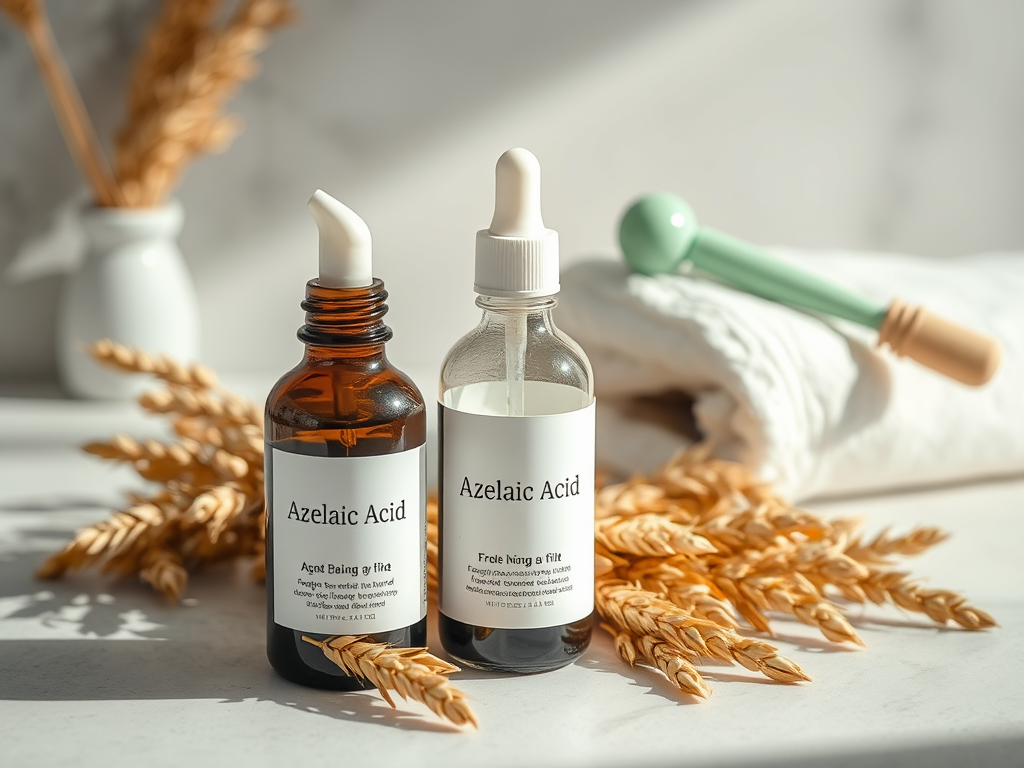
In modern cosmetic chemistry, few active ingredients offer the gentle, multi-tasking precision of azelaic acid in skincare. Naturally derived from grains like barley, wheat, and rye (and produced synthetically for cosmetic stability), this dicarboxylic acid is widely celebrated for its ability to calm surface flushing, fade stubborn post-blemish marks, and smooth bumpy micro-texture without causing the stinging or flaking associated with stronger resurfacing agents.
Unlike aggressive chemical exfoliants that indiscriminately peel the outer stratum corneum, azelaic acid works selectively. It targets hyperactive pigment-producing cells while leaving normal surrounding skin untouched, making it an exceptional choice for delicate, easily reactive complexions. In this comprehensive guide, we explore the cosmetic science of dicarboxylic acids, compare over-the-counter strengths (10%), evaluate top serum and suspension formulas, and detail step-by-step layering methods to integrate azelaic acid in skincare routines for a clear, calm, and translucent glass-skin look.
1. The Cosmetic Science: How Dicarboxylic Acids Work
To understand why this active ingredient is so unique, we examine its molecular behavior within the upper epidermal layers:
Selective Pigment Regulation: Azelaic acid acts as a reversible inhibitor of tyrosinase, the enzyme responsible for melanin production. Crucially, it exhibits a selective affinity for abnormally hyperactive melanocytes, helping to fade post-blemish discoloration and uneven sallow tone without lightening normal skin pigment.
Keratinocyte Normalization: By moderating the rate at which dead epidermal cells mature and shed within hair follicles, it prevents dead cell buildup from trapping surface oil, leading to noticeably smoother pore micro-texture.
Antioxidant & Soothing Cascade: Azelaic acid scavenges reactive oxygen species (ROS) and inhibits surface inflammatory pathways, significantly reducing the visual appearance of facial flushing and environmental redness while preserving underlying Ceramide Barrier Lipids.
2. Key Benefits: Tone Evening, Redness Soothing & Pore Refinement
In daily routine architecture, incorporating azelaic acid in skincare delivers three distinct cosmetic transformations:
- 1. Visibly Fades Discoloration: Superior at targeting post-inflammatory surface dark marks and blotchy tone left behind by environmental stress or past blemishes.
- 2. Calms Surface Flushing: Reduces the visual intensity of temporary facial redness, temperature-induced flushing, and reactive skin warmth. Read our Cica vs. Mugwort Soothing Guide.
- 3. Refines Micro-Bumps & Pores: Gently smooths rough, uneven skin texture and keeps follicular openings clear of oxidized surface sebum. Read our Niacinamide for Pores Guide.
3. At-a-Glance Active Ingredient Comparison Matrix
Compare how azelaic acid measures up against other top tone-evening and texture-refining active ingredients:
| Active Ingredient | Primary Cosmetic Mechanism | Sensory Finish & Feel | Best Skin Type Match |
|---|---|---|---|
| Azelaic Acid (10%) | Selective tyrosinase inhibition & redness calming | Velvet cream or fluid gel | Matte smooth finish | Flushed, reactive skin prone to dark marks & micro-bumps |
| Niacinamide (Vitamin B3) | Inhibits melanosome transfer & regulates oil | Water-light fluid | Radiance bounce | All skin types seeking pore refining & barrier support (Niacinamide Guide) |
| Salicylic Acid (BHA) | Oil-soluble pore lining exfoliation | Water-light liquid | Clean drydown | Oily, congestion-prone T-zones (Chemical Exfoliants Guide) |
| Lactic Acid (AHA) | Surface desmosome cleavage + humectant binding | Silky fluid | Dewy hydration sheen | Dry, dull skin seeking gentle surface resurfacing (Lactic Acid Guide) |
4. Top Azelaic Acid Formulations Reviewed
We evaluated leading over-the-counter azelaic acid formulations based on active concentration stability, lack of graininess, layerability under sunscreen, and soothing performance:
Top Recommended Formulations
Paula’s Choice 10% Azelaic Acid Booster
Hero Actives: 10% Azelaic Acid, Salicylic Acid (BHA), Licorice Root Extract, Adenosine
Finish & Texture: Lightweight Cream-Gel | Smooth Matte Base
An outstanding multi-action treatment that pairs 10% azelaic acid with soothing Licorice Root and 0.5% BHA. Its silky lotion-gel texture absorbs rapidly, visibly fading dark spots, reducing surface redness, and refining bumpy micro-texture without pilling.
✗ Cons: Premium price point compared to single-molecule suspensions.
The Ordinary Azelaic Acid Suspension 10%
Hero Actives: 10% Pure Azelaic Acid, Tocopherol (Vitamin E), Lightweight Siloxanes
Finish & Texture: Velvety Cream-Gel | Matte Soft-Touch Cushion
A highly popular budget-friendly suspension delivering 10% pure azelaic acid in a lightweight cream-gel base. It effectively brightens dull skin tone, smooths uneven texture, and reduces visible redness, making high-potency dicarboxylic care accessible to all routines.
✗ Cons: Silicon-based texture requires gentle patting to prevent pilling if layered under heavy makeup.
Peach Slices Redness Relief Azelaic Acid Serum
Hero Actives: 10% Azelaic Acid, Centella Asiatica Extract, Green Tea, Panthenol, Rhodomyrtus Extract
Finish & Texture: Soothing Milky Fluid | Dewy Calming Relief
Formulated specifically for reactive skin prone to flushing and discoloration. It combines 10% azelaic acid with soothing Cica, Green Tea, and Panthenol, creating a light milky serum that calms redness on contact while reinforcing barrier hydration.
✗ Cons: Takes 30 to 60 seconds to fully absorb into skin.
As an Amazon Associate, I earn from qualifying purchases. Recommendations are based on independent formulation analysis.
5. How to Layer Azelaic Acid: Synergy Rules & Active Stacks
Because azelaic acid is remarkably gentle and non-acidic in feeling, it layers exceptionally well with other barrier-supportive and tone-brightening ingredients. Follow this fluid viscosity routine flow:
- With Niacinamide (The Ultimate Tone & Texture Duo): Layering a 2%–5% Niacinamide Serum before azelaic acid addresses discoloration through two separate pathways (inhibiting melanosome transfer AND regulating tyrosinase).
- With Retinoids & Bakuchiol (Cell Renewal Buffering): Combining azelaic acid with Bakuchiol or Retinol accelerates micro-texture smoothing while buffering potential acclimation redness.
- AM & PM Flexibility: Azelaic acid does not increase sun sensitivity, making it completely safe for both morning (AM) use under SPF and evening (PM) routine stacks.
6. Frequently Asked Questions (FAQs)
Azelaic acid in skincare selectively inhibits hyperactive pigment production to fade dark spots, calms surface redness and flushing, and normalizes cell shedding to refine pore micro-texture.
Yes! Over-the-counter 10% azelaic acid is gentle and non-acidic in feeling, making it safe for daily morning and evening use across all skin types, including sensitive barriers.
Neither. Azelaic acid is a dicarboxylic acid. While AHAs and BHAs focus primarily on exfoliating surface or pore-lining cells, dicarboxylic acids focus on selective pigment regulation and calming flushing.
Reductions in surface redness and skin warmth can be felt within 1 to 2 weeks. Noticeable fading of post-blemish dark marks and texture smoothing typically become apparent after 4 to 8 weeks of consistent daily use.
7. Final Verdict: Harnessing Dicarboxylic Precision for Clear Skin
Incorporating azelaic acid in skincare is one of the most reliable, gentle, and effective strategies for achieving a calm, even, and luminous complexion. By selectively regulating hyperactive pigment, soothing surface flushing, and refining pore micro-texture, this multi-tasking dicarboxylic acid delivers transformative results for reactive skin profiles. Layer it with hydrating toners and ceramide creams to unlock effortless glass-skin clarity every day!
To explore more skincare routine frameworks and active ingredient deep-dives on our website, check out these related guides:
- Learn about B3 tone evening: Niacinamide in Skincare Master Guide.
- Explore pore refining: Niacinamide for Pores & Texture Guide.
- Master fluid layering order: Toner vs. Essence vs. Serum Layering Guide.
- Explore botanical redness relief: Centella Asiatica vs. Mugwort Guide.
- Explore barrier lipid repair: Ceramides vs. Cholesterol & Fatty Acids Guide.
Leave a Reply