

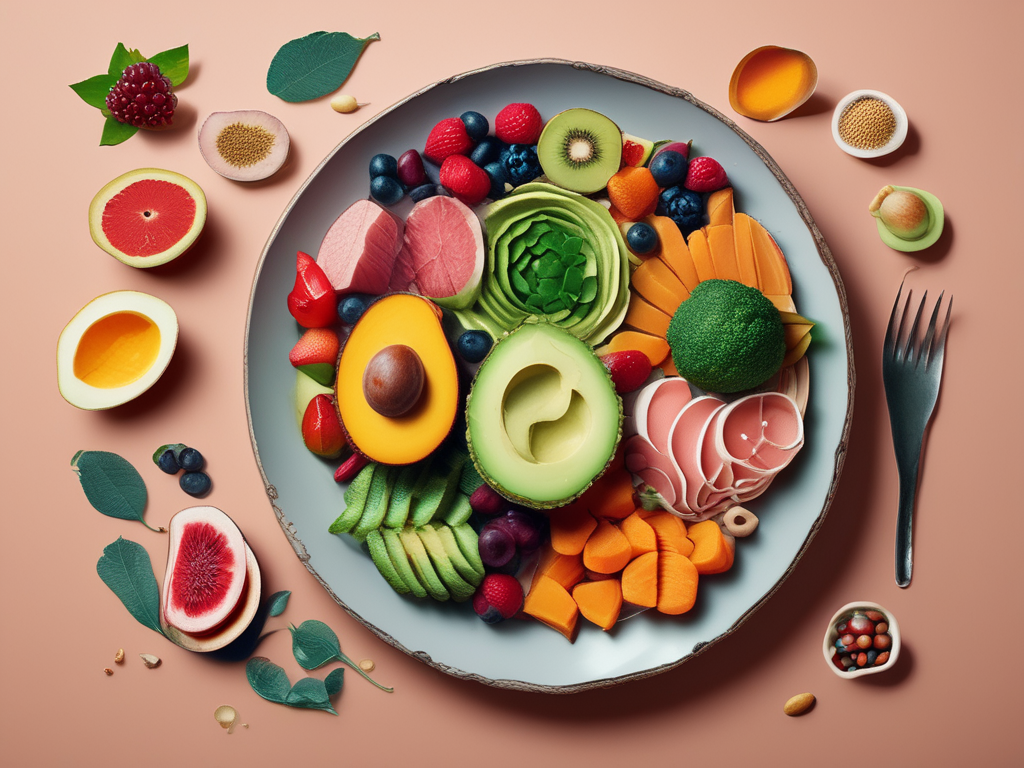
The paradigm of modern skincare has shifted beyond topical serums. While clinical-grade retinoids and molecular humectants are foundational for stratum corneum barrier health, your cells rely entirely on internal nutrient delivery pipelines to fuel structural repair.
A targeted skin diet isn’t about trendy detoxes or generalized wellness advice; it is a bio-chemical blueprint designed to optimize epidermal turnover, strengthen intercellular lipids, and down-regulate systemic inflammation. In this deeply expanded guide, we deconstruct the exact nutritional building blocks required to cultivate structural elasticity, protect your skin barrier, and support a clear, highly reflective complexion from the inside out.
01. The Macronutrient Architecture: Shifting Beyond Topicals
In clinical aesthetics, product formulation is strictly limited by the 500-Dalton Rule—a barrier law dictating that structural molecules larger than 500 Daltons cannot effectively penetrate an uncompromised stratum corneum. Because native structural proteins are often too large to slip past these topical roadblocks, optimizing your internal metabolic pipelines is required to fuel true tissue regeneration.
To drive the continuous internal synthesis of collagen and elastin, your fibroblasts require a direct supply of fundamental amino acid blocks: proline, glycine, and lysine. When you ingest high-quality marine peptides, bone broth, or pasture-raised eggs, your body breaks them down into these specific molecular components, delivering them straight to the dermis via capillary pathways where topicals cannot reach.
Simultaneously, rebuilding your skin-identical lipids—the intercellular matrix holding your epidermal cells together—requires essential fatty acids. Deep-sea fatty fish (sardines, mackerel, and wild salmon) provide raw alpha-linolenic acid, EPA, and DHA. These essential lipids help build a robust, flexible moisture barrier that actively limits trans-epidermal water loss (TEWL) and down-regulates inflammatory pathways ($LTB_4$ and $PGE_2$) that cause neurogenic redness and severe acne cascades.
02. The Gut-Skin Axis: Regulating Systemic Inflammation
The physiological connection between intestinal health and skin barrier performance is governed by the Gut-Skin Axis. When the delicate balance of the intestinal microbiome is disrupted by poor dietary inputs, the tight junctions of the gut wall can become compromised, allowing systemic lipopolysaccharides (LPS) to escape into the bloodstream.
This microscopic leakage triggers a state of chronic, low-grade systemic inflammation. The body’s immune response expresses itself directly through the skin, causing sudden flare-ups of eczema, psoriasis, and inflammatory acne, while simultaneously impairing natural lipid barrier synthesis.
🔬 Clinical Protocol: Rebuilding the Gut-Skin Pathway
- Introduce Prebiotic Scaffolding: Consume soluble fibers like chicory root, leeks, and raw garlic to cultivate beneficial *Bifidobacteria* strains.
- Incorporate Live Probiotic Cultures: Introduce unpasteurized, fermented foods (kimchi, kefir, and unflavored Greek yogurt) to actively compete with pro-inflammatory microbial species.
- Reinforce the Intestinal Lining: Support cellular tight junctions by consuming L-glutamine-rich proteins and polyphenol-dense green tea, which help lower systemic circulatory endotoxins.
03. The Antioxidant Network and Glycation Pathways
To defend your deep dermal layers from premature breakdown, your body requires a highly active cellular antioxidant network. Systemic Vitamin C acts as a necessary enzymatic cofactor for *prolyl hydroxylase*, the precise engine that stabilizes the triple-helix structure of collagen molecules. When paired with fat-soluble Vitamin E (Tocopherol) from almonds or avocado oil, it forms an internal shield that stops lipid peroxidation from degrading your skin’s healthy sebum.
Conversely, high-glycemic carbohydrates and refined sugars act as direct disruptors to this defensive matrix. Spikes in blood glucose trigger an irreversible non-enzymatic process known as glycation.
Dermatological Reality: During glycation, excess sugar molecules bind directly to your skin’s supple collagen and elastin fibers. This cross-linking degrades elastic type-I collagen into rigid, brittle fragments known as Advanced Glycation End-Products (AGEs), causing structural skin sagging and deep, premature wrinkling.
Furthermore, simple sugars and conventional liquid dairy elevate levels of insulin-like growth factor 1 (IGF-1). This hormone triggers the 5-alpha-reductase enzyme, which increases dihydrotestosterone (DHT) production. This internal process over-stimulates your sebaceous glands, changing your sebum composition and leading to clogged pores and painful cystic acne.
04. The Topical vs. Systemic Care Synergy Matrix
True skin health is achieved when your internal nutritional choices work in perfect harmony with a structured, minimalist topical routine. The table below details how to align your dietary selections with specific topical actives for optimal results:
| Target Skin Objective | Internal Dietary Anchor | Complementary Topical Active |
|---|---|---|
| Barrier Repair & Reduced TEWL | Essential Omega-3 Fatty Acids, Walnuts, Squalene sources | Topical Ceramides, Niacinamide, Glycerin Matrix |
| Collagen Density & Elasticity | Proline, Glycine, Lysine Amino Acids + Buffered Vitamin C | Clinical Retinoids (Tretinoin), Signal Peptides |
| Oxidative Shielding & UV Defense | Tocopherol (Vitamin E), Selenium (Brazil Nuts), Polyphenols | Topical Pure L-Ascorbic Acid Serum (Vitamin C) |
| Sebum Regulation & Pore Management | Zinc (Oysters, Pumpkin Seeds), High-Fiber Low-IGF-1 Foods | Topical Salicylic Acid (BHA), Zinc PCA, Retinoids |
🧪 Active Synergy Integration: Supporting your lipid barrier from the inside is highly effective, but pairing it with the correct topical molecules accelerates your results. For a deep look at topical skin-identical lipids, read our full review of The Hyaluronic Acid vs. Glycerin vs. Squalane Formulation Showdown.
05. Dermatological Diet FAQs
Q: Can taking oral collagen supplements actually substitute for proper dietary protein intake?
A: No. While oral collagen peptides provide highly bioavailable signaling fractions that can stimulate dermal fibroblasts, your body processes them as basic amino acids. You must maintain a solid foundation of complete dietary proteins to ensure your structural tissues have an adequate supply of essential building blocks.
Q: How can I minimize the formation of Advanced Glycation End-Products (AGEs) during meal preparation?
A: High-heat, dry cooking methods (such as grilling, roasting, or frying) accelerate the cross-linking of sugars and proteins in food. To limit your exposure, prioritize low-heat, moisture-rich preparation methods like poaching, stewing, or steaming. Additionally, marinating your proteins in acidic ingredients like fresh lemon juice or apple cider vinegar before cooking can reduce AGE formation by over 50%.
Q: Is it necessary to eliminate all forms of dairy to completely stop inflammatory acne cascades?
A: Not necessarily. The primary acne trigger in dairy is the presence of whey proteins and hormones that spike IGF-1 levels, which are particularly concentrated in skim milk. Many individuals can easily tolerate fermented dairy products like unflavored kefir or aged cheeses, as the fermentation process alters the whey fractions and introduces beneficial, anti-inflammatory bacteria that support the gut-skin axis.
06. The Radiance Verdict: A Holistic Skin Protocol
Achieving a luminous, structurally sound skin finish requires a balanced approach. A precision skin diet provides the essential internal ingredients your body needs to build resilient new cells, while a clean, clinical topical routine protects that new tissue from external environmental stressors.
Low-glycemic whole foods packed with clean marine proteins, zinc, selenium, essential omega-3 fatty acids, and a vibrant spectrum of antioxidant-dense, colorful vegetables.
Refined sugars, high-heat charred proteins, conventional fluid skim milk, and highly oxidized industrial seed oils that deplete your natural antioxidant reserves.
Focus your regimen on smart molecular weights, respect the gut-skin axis, and let precise science support your natural glow.
Leave a Reply