

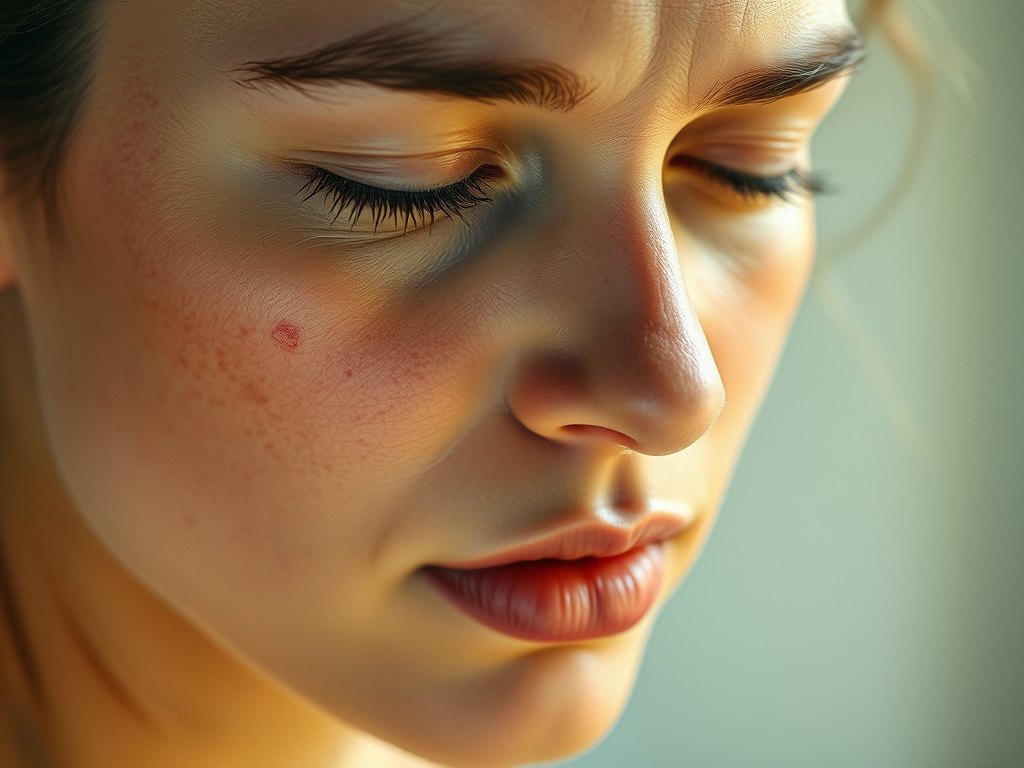
While we instinctively view skincare through a topical lens, your skin matrix is inextricably linked to your nervous and endocrine systems. When psychological stress shifts from a transient state to a chronic condition, it triggers a systemic biological cascade that directly degrades your skin’s structural integrity.
In the emerging field of psychodermatology, researchers recognize that the brain-skin connection is a bidirectional highway. Chronic psychological pressure forces the adrenal glands to flood the bloodstream with glucocorticoids—primarily cortisol. This hormonal surge disrupts cellular renewal, compromises lipid production, and accelerates inflammatory pathways. Understanding the precise molecular effects of stress on skin is the vital first step toward engineering a targeted, clinical barrier rescue protocol.
01. The Cortisol Cascade: Epidermal Barrier Disruption
To understand the biological effects of stress on skin, we must look at the classic “brick-and-mortar” scientific model of the stratum corneum. In a healthy skin state, your skin cells (corneocytes) serve as protective structural bricks, while a dense matrix of skin-identical lipids—specifically ceramides, cholesterol, and free fatty acids—acts as the stabilizing mortar.
When systemic psychological stress triggers a persistent release of cortisol, this hormone acts as a direct inhibitor of lipid synthesis. The production of the necessary intercellular lipid mortar drops sharply. Without this lipid seal, your structural bricks become unstable, allowing microscopic cracks to form across the skin plane.
Figure 1.1: Cortisol-Induced Barrier Fracturing. A scientific medical cross-section illustrating how elevated cortisol levels deplete intercellular lipids, triggering severe trans-epidermal water loss (TEWL) and micro-cracks in the stratum corneum.
This structural fracturing causes an immediate spike in trans-epidermal water loss (TEWL). Ambient moisture is pulled out of your deeper epidermal layers and evaporated into the air, leaving behind a rough, dull, and highly compromised surface that is easily irritated by external allergens. Cortisol also down-regulates natural cell division and slows epidermal desquamation, meaning stress-damaged skin takes vastly longer to heal itself from minor micro-tears or post-inflammatory marks.
02. Neurogenic Inflammation and Stress-Induced Acne
The effects of stress on skin often present visually as a sudden, aggressive flare-up of inflammatory acne. This phenomenon is driven by the nervous system’s localized signaling pathways. When you encounter acute or prolonged pressure, peripheral nerve endings inside the dermal layers release specific pro-inflammatory neuropeptides, most notably Substance P.
Substance P directly locks onto local mast cells and sebocytes, triggering localized neurogenic inflammation. This pathway forces the sebaceous glands to hyper-produce thick, highly viscous sebum. Simultaneously, a stress response suppresses the skin’s protective antimicrobial peptides, micro-shifting your delicate microbiome. When this thick, uncoordinated sebum meets sluggish, un-sloughed dead cells within the pore wall, a highly congested, anaerobic environment is created, leading to deep, tender inflammatory papules and painful acne breakouts.
🧼 Congestion Management: To clear stress-induced micro-congestion and normalize pore lining exfoliation without stripping vulnerable lipids, see our audited laboratory review of Medicube Zero Pore Pads for Textural Optimization.
03. Glycation Pathways and Accelerated Aging
Beyond immediate barrier damage and breakouts, long-term chronic stress accelerates intrinsic cellular aging. Cortisol promotes systemic gluconeogenesis, which increases the levels of glucose circulating in the body. When excess sugar molecules flood the dermal matrix, they bind haphazardly to structural proteins like collagen and elastin through a destructive chemical pathway known as glycation.
This sugar-protein bonding generates stiff, brittle molecules called Advanced Glycation End-products (AGEs). Instead of maintaining an elastic, bouncy, and highly resilient dermal framework, glycated collagen fibers lose their structural flexibility and snap easily under mechanical movement. This process dramatically hastens the formation of deep structural wrinkles, micro-sagging, and a noticeable loss of surface bounce.
04. The Viscosity-Based Clinical Recovery Protocol
When treating skin compromised by psychological or physical stress, you must immediately put down aggressive, high-percentage chemical peeling agents or manual scrubs. A barrier fractured by cortisol will react to aggressive treatments with increased neurogenic redness and further dehydration. Instead, pivot your routine to follow a strict viscosity-based pipeline designed to soothe neurogenic signals, re-inflate water channels, and lock the barrier down with biomimetic lipids:
Figure 2.1: The Barrier Calibration Suite. A high-key textural presentation featuring a protective niacinamide layer, a deep water-binding humectant network, and a biomimetic skin-identical lipid seal.
- 01. Soothe the Neurogenic Signal (Low Viscosity): Apply a lightweight water-based serum containing 2% to 5% **Niacinamide (Vitamin B3)**. This specific active suppresses inflammatory cellular messaging, mitigates neurogenic flushing, and safely up-regulates your skin’s internal ceramide synthesis.
- 02. Saturate Intercellular Channels (Medium Viscosity): Pat a concentrated humectant gel matrix onto clean, damp skin. Avoid putting high molecular weight hyaluronic acid onto a parched barrier in dry weather, as it can worsen dehydration; prioritize a clean, deeply saturating, glycerin-dense formula to restore lost moisture networks.
- ⚙️ The Moisture Synergy Matrix: Selecting the correct molecule to reverse cortisol-induced dehydration requires balancing humectant weights with an emollient shield. For a deep look at ingredient science, read our definitive Hyaluronic Acid vs. Glycerin vs. Squalane Formulation Showdown.
- 03. Deploy a Biomimetic Lipid Seal (High Viscosity): Complete your recovery routine by warming 2 to 3 drops of pure, plant-derived **Squalane oil** between your palms and pressing it firmly onto your face. Replicating your skin’s natural sebum composition blocks evaporative exit routes, keeping your humectant layers trapped so fractured barriers can heal in a stable environment.
05. Stress and Skin: Frequently Asked Questions
Q: How can I tell the difference between a standard hormonal breakout and a stress acne flare-up?
A: Standard hormonal breakouts typically follow a predictable monthly pattern and appear predominantly along the jawline and chin. Stress-induced acne flares up rapidly at any point during a high-stress event and can develop anywhere on the face, often accompanied by widespread surface dehydration, micro-flaking, and heightened sensitivity.
Q: Should I completely stop using my anti-aging retinal treatments during high-stress periods?
A: If your skin is showing signs of severe cortisol damage—such as burning, itching, or micro-cracking—you should temporarily pause high-potency retinoids for 3 to 5 days to prioritize lipid recovery. Once your baseline barrier is stabilized, you can safely reintroduce retinoids to help repair stress-damaged cells.
Q: Why does my chronic eczema or psoriasis flare up intensely whenever I am under pressure?
A: Stress triggers the release of neuropeptides and system-wide cytokines that disrupt your skin’s immune balance. This systemic shift actively lowers your threshold for inflammation, meaning underlying conditions like eczema or psoriasis can flare up dramatically under emotional pressure.
06. The Psychodermatology Verdict
Ultimately, looking at the real effects of stress on skin reminds us that effective skincare is a holistic science. You cannot entirely fix a cellular barrier problem caused by an internal cortisol spike using aggressive, stripping topicals.
By understanding the brain-skin axis and adjusting your routine to focus on gentle, viscosity-based barrier repair, you can systematically counter the impacts of cortisol. Support your compromised lipid mortar with a calming niacinamide solution, hydrate deeply with a rich humectant network, and protect the surface plane with a non-comedogenic biomimetic lipid like Squalane. Let clean, targeted science steady your skin barrier through any stressful season.
Leave a Reply