

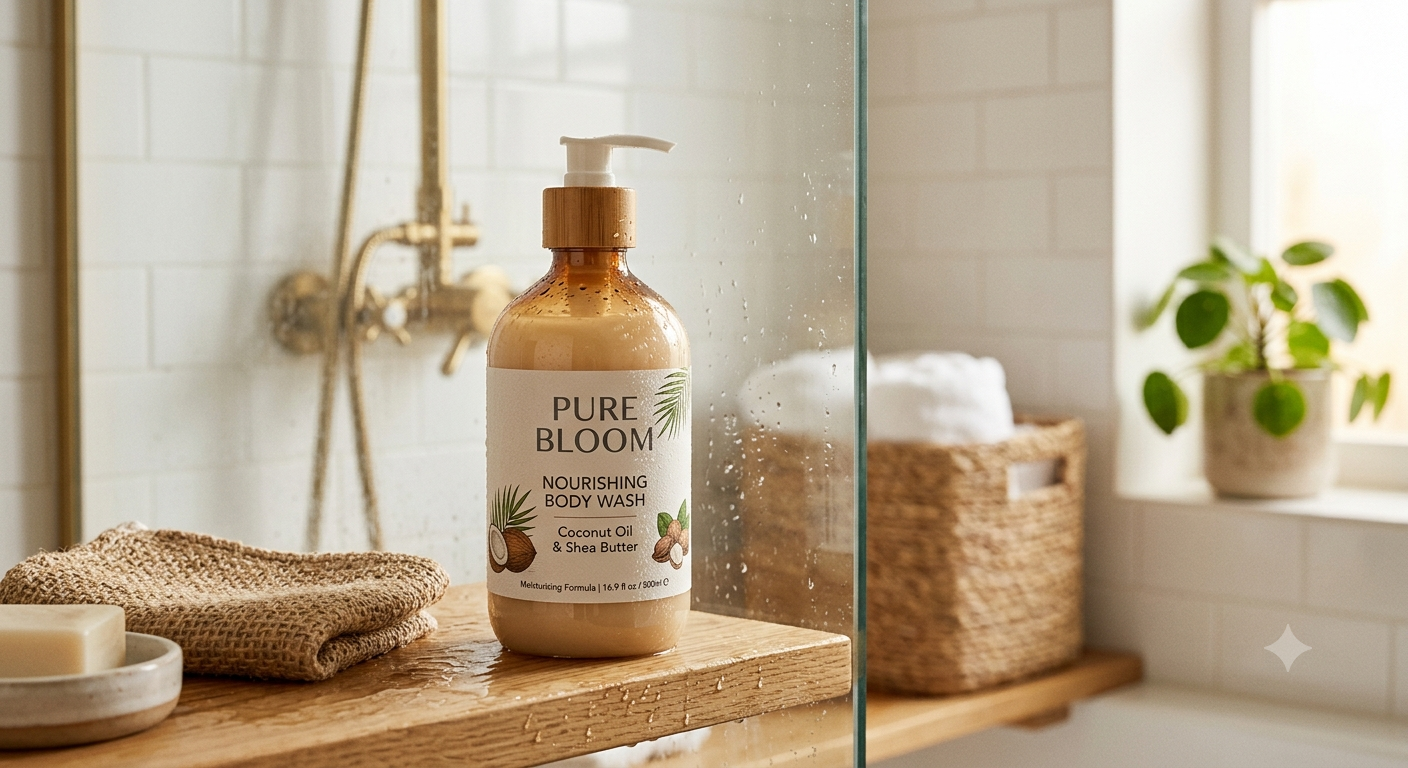
Finding the right body wash isn’t just about choosing a pleasant scent in the shower aisle—it is the foundation of daily body care and skin barrier health. Whether you are dealing with winter dryness, reactive eczema patches, or simply looking to upgrade your shower routine, the cleanser you choose directly impacts your skin’s moisture levels, texture, and pH balance.
In this ultimate Master Body Wash Guide, we break down the formulation science of liquid cleansers, explain how to match body wash textures to your skin type, identify key ingredients to seek or avoid, and direct you to the top-rated formulas for every body concern.
1. How Body Wash Works: pH & Barrier Chemistry
At its core, a body wash is designed to perform two critical tasks simultaneously: suspend surface oils, sweat, and environmental dirt so they can be rinsed away with water, while protecting your skin’s outer lipid barrier (the stratum corneum).
Unlike traditional solid soaps that rely on high-alkaline lye (pH 9.0–10.0), modern liquid body washes use water and mild, synthetic surfactants. This allows chemists to adjust the formula to match human skin’s natural acidic pH (~5.5). Preserving this acidic mantle stops moisture loss, prevents post-shower tightness, and keeps harmful bacteria in check. To explore the health benefits of liquid formulas over traditional bars, read our complete analysis on why body wash is better for your skin barrier.
2. Body Wash Textures: Gels, Creams & Oils
Selecting the correct vehicle or texture determines how hydrating or deep-cleansing a body wash will be:
Lightweight, water-based formulations that lift surface sweat and excess oil without leaving heavy residues. Ideal for normal, oily, or athletic skin types. If you enjoy uplifting, aromatic gel formulas, explore our full Method body wash review and our guide to the best Method body wash scents.
Opaque, lotion-like cleansers formulated with emollients (such as Shea Butter and Ceramides) and humectants (Glycerin). Designed specifically to deposit hydration during cleansing and relieve dry, tight, or sensitive skin.
Plant lipid-based cleansers that transform into a gentle, milky emulsion upon contact with water. They offer maximum protection against hard water minerals and extreme winter scaling.
3. Matching Your Body Wash to Your Skin Type
Just like facial care, choosing a body cleanser requires assessing your barrier needs. If you are unsure whether your body skin is genetically dry, oily, or compromised, start by reading our diagnostic guide on how to determine your skin type.
- For Sensitive or Eczema-Prone Skin: Select 100% fragrance-free, sulfate-free cream washes packed with colloidal oatmeal, aloe vera, and panthenol. See our round-up of the best body washes for sensitive skin.
- For Dry or Flaky Skin: Choose ceramide-rich cream cleansers or shower oils that lock in moisture and protect against hot shower water. Compare options in our list of the best body washes for dry skin.
- For Oily or Acne-Prone Body Skin: Opt for clear gel washes containing mild non-ionic surfactants or gentle exfoliants (like Salicylic Acid or Zinc PCA) to keep pores clear without stripping.
If you are debating whether to stick with a solid bar format or switch to a liquid wash, read our head-to-head comparison on body wash vs. bar soap for sensitive skin.
4. Formulation Science: Ingredients to Seek vs. Avoid
Scan the ingredient label (INCI list) on the back of your bottle to ensure your cleanser supports long-term skin health:
✅ Key Hydrating Ingredients
- Ceramides (1, 3, 6-II): Rebuild micro-cracks in damaged skin lipid barriers.
- Colloidal Oatmeal: Calms inflammatory itch signals and soothes redness.
- Hyaluronic Acid & Glycerin: Humectants that pull moisture into the epidermis during washing.
- Niacinamide (Vitamin B3): Stimulates natural ceramide synthesis over time.
❌ Ingredients to Minimize or Avoid
- Sodium Lauryl Sulfate (SLS): Harsh ionic surfactant that strips protective oils.
- Synthetic Fragrance (Perfume): Primary trigger for allergic contact dermatitis.
- Denatured Alcohol: Accelerates moisture evaporation and causes post-wash tightness.
- Abrasive Physical Scrubs: Creates micro-tears on fragile skin barriers.
If your skin barrier is currently raw or inflamed from using harsh cleansers, follow our step-by-step instructions on how to repair a damaged skin barrier.
5. Master Comparison: Top Picks by Concern
Compare our top dermatologist-tested and formulation-approved body wash picks side-by-side:
| Body Wash | Primary Concern | Key Actives | Fragrance Status |
|---|---|---|---|
| Cetaphil Ultra Gentle | Daily Sensitive Skin Care | Aloe Vera, Vitamin B5, Glycerin | 100% Fragrance-Free |
| CeraVe Hydrating / Soothing | Very Dry & Eczema Barriers | 3 Essential Ceramides, Hyaluronic Acid | 100% Fragrance-Free |
| Bioderma Atoderm Oil | Hard Water & Winter Scaling | Vegetable Biolipids, Niacinamide | Subtle Hypoallergenic |
| Dove Deep Moisture | Everyday Budget Softness | Stearic Acid, MicroMoisture | Clean Classic Scent |
| Method Body Wash | Aromatic Gel Experience | Plant-Based Cleansers, Botanical Extracts | Multiple Fragrance Profiles |
Cetaphil Ultra Gentle Body Wash (Fragrance-Free)
Our top-recommended daily cleanser for delicate skin. Uses Aloe Vera and Vitamin B5 to preserve the moisture barrier. Read our detailed Cetaphil Ultra Gentle Body Wash review.
As an Amazon Associate, I earn from qualifying purchases.
🛒 Need your daily body essentials fast? Get free 2-day shipping on body cleansers with an Amazon Prime 30-Day Free Trial or sign up for the Prime Young Adult 6-Month Trial if you’re a student!
Frequently Asked Questions (FAQs)
It is not recommended. Facial skin is significantly thinner and contains a higher density of sebaceous glands than body skin. Body washes often contain heavier emollients or surfactants that can clog facial pores or cause breakouts. Stick to dedicated facial cleansers.
A quarter-sized amount (about 1 teaspoon) is sufficient for a full-body wash when lathered using your hands or a soft cotton washcloth.
Yes. Apply your body moisturizer within 3 minutes of stepping out of the shower while your skin is still damp. This traps surface moisture before it evaporates into the air.
Final Takeaway: Building Your Body Routine
Choosing the right body wash is the most effective way to prevent post-shower tightness and preserve your skin’s moisture barrier. By matching cleanser textures to your skin type, selecting pH-balanced formulas, and avoiding harsh sulfates, you lay the groundwork for soft, healthy body skin year-round.
Leave a Reply