

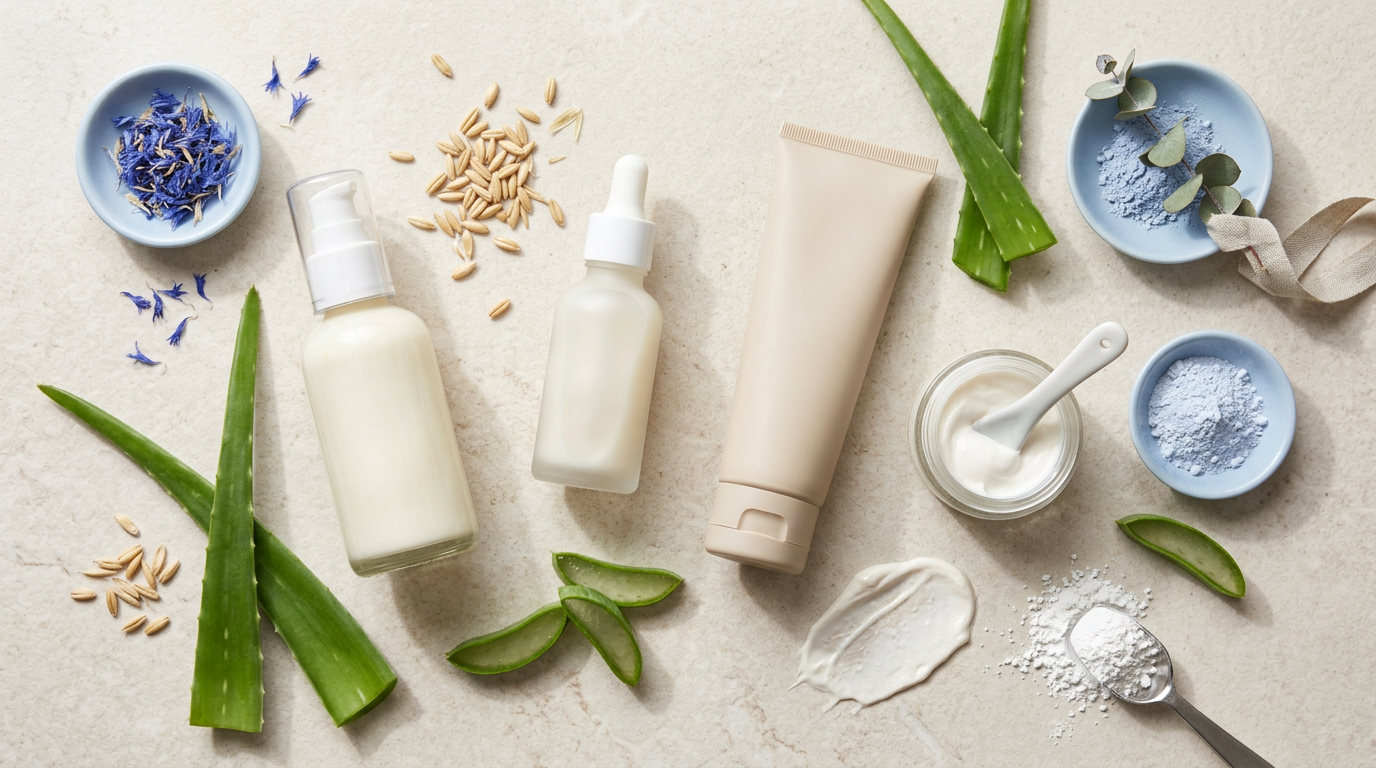
Finding the best sunscreens for sensitive skin is the most important step in completing a safe, daily skincare routine that protects your complexion from UV damage without triggering stinging, surface flushing, or eye watering. While daily sun protection is non-negotiable for preventing photoaging and hyperpigmentation, conventional sunscreens often rely on harsh chemical filters, denatured alcohol, and heavy artificial fragrances that irritate delicate moisture barriers.
📍 Part of our Custom Skincare Hub: Looking for a complete guide to building a custom daily routine for your unique skin profile? Read our parent pillar guide: How to Build a Personalized Skincare Routine: Step-by-Step Customization Guide.
Modern sunscreens engineered for reactive skin utilize gentle mineral blockers (Zinc Oxide and Titanium Dioxide) or next-generation organic filters paired with soothing botanical humectants like Centella Asiatica, Rice Water, and Hyaluronic Acid. In this master guide, we break down filter chemistry, explain how to choose non-stinging formulas, review top recommended sunscreens for sensitive skin, and share essential reapplication rules so you can select the best sunscreens for sensitive skin with complete confidence.
1. Quick Summary: What Makes the Best Sunscreen for Sensitive Skin?
The best sunscreens for sensitive skin are 100% fragrance-free, essential-oil-free, and alcohol-free formulas offering high broad-spectrum protection (SPF 50+ PA++++). They utilize physical non-nano Zinc Oxide or photostable next-generation organic filters that sit comfortably on the skin without stinging the eyes or disrupting delicate Ceramide Barrier Lipids.
2. The UV Filter Science: Mineral vs. Next-Gen Chemical Filters
When searching for the best sunscreens for sensitive skin, understanding the difference between UV filter types helps you select the right formula for your barrier:
- 1. Mineral (Physical) Filters (Zinc Oxide & Titanium Dioxide): Sit on top of the skin surface to reflect and scatter UV rays. Zinc Oxide is naturally soothing and hypoallergenic, making it ideal for severely reactive skin or post-treatment care.
- 2. Modern Organic Filters (Tinosorb S/M, Uvinul A Plus, Uvinul T 150): Advanced chemical filters widely used in K-beauty and European sunscreens. Unlike older filters (like Oxybenzone or Octinoxate) that could trigger stinging, next-gen organic filters have large molecular structures that absorb UV rays without penetrating or irritating skin cell pathways. Read our Korean Skincare Routine Guide.
- 3. Non-Stinging Eye Area Protection: Formulas crafted without volatile alcohol or synthetic perfumes protect delicate eye contours without triggering tearing.
3. The 4 Non-Negotiable Criteria for Sensitive Sunscreens
Ensure any daily sunscreen you choose meets these essential safety standards:
- 100% Fragrance-Free & Essential-Oil Free: Synthetic perfumes and botanical citrus oils are primary sources of contact reactivity under UV light.
- Drying Alcohol-Free: Formulated without denatured alcohol (Alcohol Denat) to prevent moisture stripping. Read our Morning Routine Guide.
- Enriched with Soothing Actives: Formulations featuring Centella Asiatica (Cica), Heartleaf, Niacinamide, or Rice Water soothe surface warmth while hydrating. Read our Centella Asiatica Soothing Guide.
- High Broad-Spectrum Defense (SPF 50+ PA++++): Provides balanced protection against burning UVB rays and aging UVA rays.
4. At-a-Glance Sensitive Sunscreen Comparison Matrix
Compare how different sensitive sunscreen categories perform across key routine attributes:
| Sunscreen Category | Hero Filter Type | Finish & White Cast | Best Skin Profile Match |
|---|---|---|---|
| Probiotic Hydrating Sun Lotion | Next-Gen Organic Filters + Rice Extract | Dewy moisture; zero white cast | Dry, dehydrated, or sallow sensitive skin |
| Soothing Centella Sun Serum | Next-Gen Organic Filters + Hyalu-Cica | Weightless fluid; invisible finish | Combination, oily, or pore-prone sensitive skin |
| 100% Mineral Physical Cream | Non-Nano Zinc Oxide | Soft satin finish; minimal sheer cast | Severely reactive, easily flushed, or eczema-prone skin |
5. Top Recommended Sunscreens for Sensitive Skin Reviewed
We evaluated leading formulas to find the best sunscreens for sensitive skin based on ingredient safety, non-stinging performance, absorption, and barrier comfort:
Top Recommended Sunscreens for Sensitive Skin
Beauty of Joseon Relief Sun (Rice + Probiotics) SPF50+ PA++++
Consistently rated among the best sunscreens for sensitive skin, this cult-favorite K-beauty sunscreen combines 30% rice extract and fermented grain probiotics to nourish dry barriers while providing high broad-spectrum UV protection without stinging eyes.
✗ Cons: Creamy finish may feel too rich for extremely oily T-zones.
SKIN1004 Madagascar Centella Hyalu-Cica Water-Fit Sun Serum SPF50+ PA++++
An ultra-lightweight sun serum formulated with pure Madagascar Centella Asiatica and hyaluronic acid. It calms surface flushing and absorbs instantly like a hydrating serum without leaving a white film or sticky residue.
✗ Cons: Fast-absorbing formula requires sealing with cream on very dry skin profiles.
Haruharu Wonder Black Rice Moisture Mineral Daily Sunscreen SPF50+ PA++++
A 100% physical mineral sunscreen powered by non-nano Zinc Oxide and antioxidant-rich fermented black rice oil. It provides pure mineral defense for hyper-sensitive skin with minimal white cast and zero greasy shine.
✗ Cons: Sheer mineral tint requires blending into darker skin tones.
As an Amazon Associate, I earn from qualifying purchases. Recommendations are based on independent formulation analysis.
6. Golden Rules for Applying Sunscreen to Sensitive Skin
To ensure maximum UV defense without triggering irritation, follow these practical application guidelines:
- Rule 1: The Two-Finger Dose Rule: Dispense two full strips of sunscreen along your index and middle fingers to ensure proper SPF 50 coverage for your face and neck.
- Rule 2: Always Patch Test New Formulas: Test new sunscreens on a small spot behind your ear or jawline for 24 hours before full-face application. Read our How to Patch Test Skincare Guide.
- Rule 3: Remove SPF Thoroughly with Double Cleansing: Water-resistant sunscreens require an oil balm or cleansing oil at night to prevent pore congestion. Read our Double Cleansing Guide.
- Rule 4: Pair with Glass Skin Layers: Layering hydrating toners under your sunscreen enhances surface glow and keeps skin plump all day. Read our How to Get Glass Skin Guide.
7. Frequently Asked Questions (FAQs)
The best sunscreen for sensitive skin is a 100% fragrance-free, essential-oil-free formula offering broad-spectrum SPF 50+ PA++++ using soothing non-nano Zinc Oxide or next-generation organic filters that do not sting eyes or irritate skin.
Mineral sunscreens containing Zinc Oxide are naturally anti-inflammatory and ideal for severely reactive or eczema-prone skin. However, modern organic (chemical) sunscreens from K-beauty use next-gen filters that are equally gentle and offer zero white cast.
Eye stinging is usually caused by volatile denatured alcohol, synthetic fragrances, or older chemical filters (such as Avobenzone or Oxybenzone). Switching to a fragrance-free, alcohol-free K-beauty sun serum or mineral sunscreen eliminates burning.
Yes! UVA rays pass through standard window glass and contribute to collagen degradation and hyperpigmentation. Wearing a light sensitive sunscreen daily maintains skin barrier health.
8. Final Verdict: Protecting Your Delicate Skin Barrier Daily
Selecting from the best sunscreens for sensitive skin is the single most effective way to safeguard your skin barrier and preserve a healthy, youthful glow. By choosing 100% fragrance-free formulas enriched with Centella Asiatica, Rice Water, and Zinc Oxide, you ensure high SPF 50+ defense without stinging or redness. Make gentle daily sunscreen application the final step of your morning routine and enjoy healthy, protected skin every day!
To explore more routine frameworks and active ingredient deep-dives on our website, check out these related guides:
- Explore parent customization hub: Personalized Skincare Routine Guide.
- Explore K-beauty routine steps: Korean Skincare Routine Master Guide.
- Learn how to get glass skin: How to Get Glass Skin Guide.
- Master evening double cleansing: Double Cleansing Guide.
- Explore barrier lipid repair: Ceramides vs. Cholesterol & Fatty Acids Guide.
Leave a Reply