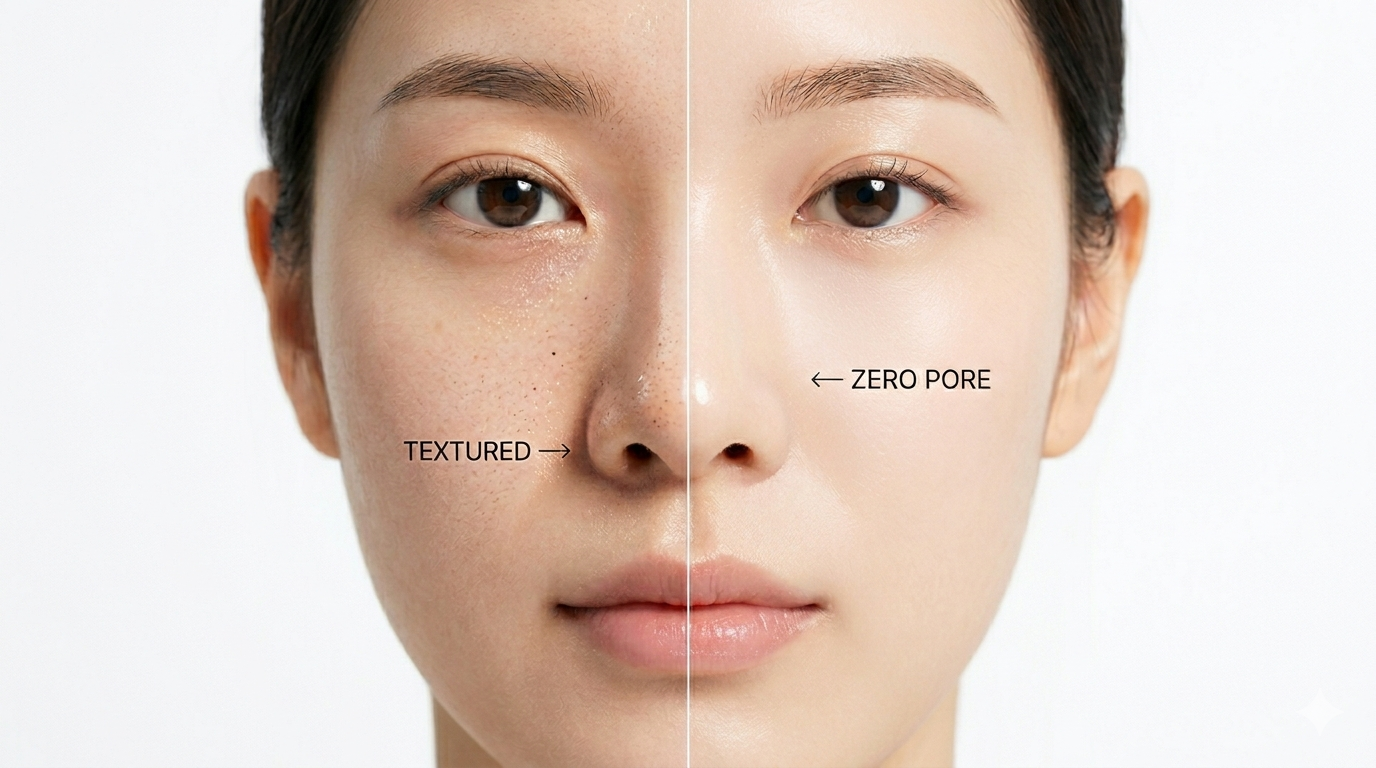
The skin surrounding your eyes is the thinnest and most fragile on your entire body, often described by dermatologists as being as delicate as a silk sheet. This is why it is the first area to show the “etched-in” evidence of stress, fatigue, and aging. While many reach for standard Retinol to fix crows’ feet, the modern gold standard for this sensitive zone is Retinaldehyde, or Retinal.
Because Retinal is “closer” to the active form of Vitamin A than standard Retinol, it works up to 11 times faster to rebuild the underlying collagen structure. However, treating the eyes requires a specialized protocol to avoid the stinging and redness that can occur on thin skin. This guide explains the science of using Retinal for eyes, reveals how it targets both dark circles and wrinkles, and provides the definitive safety method for achieving a bright, firm, and youthful gaze.
1. Why Retinal for Eyes? The One-Step Advantage for Thin Skin

The primary challenge of eye care is a biological contradiction: the skin is too fragile to handle high-strength treatments, yet it is the area that needs the most intensive repair. Most people try to use their standard face Retinol near their eyes, only to experience immediate stinging or “crepey” dryness. This happens because the skin around your eyes is up to four times thinner than the rest of your face—think of it as a delicate silk sheet compared to a thick denim jacket.
Retinal (Retinaldehyde) is the scientific solution to this problem. Because it is much more efficient than standard Retinol, it allows you to use a gentler concentration while still receiving a powerful signal for skin regeneration.
The Sensitivity Paradox: It sounds counterintuitive, but 11x faster results don’t mean 11x more irritation. Because Retinal is so efficient, clinical formulas can use lower doses that bypass the surface-level “burn” often felt with high-dose Retinol Serums.
The Retinoid Ladder: Sitting significantly higher on the Retinoid Ladder, Retinaldehyde provides the clinical-grade power usually reserved for prescriptions, but in a formula balanced for the orbital zone.
Targeted Bio-Availability: Retinal is more “bio-available,” meaning more of the Vitamin A actually reaches your skin cells to boost collagen, rather than sitting on the surface and causing redness.
By choosing a specialized Retinal eye serum, you are respecting the unique anatomy of your eyes. You are delivering a high-speed “Repair Signal” to your cells while minimizing the chemical burden on your [healthy skin barrier].
2. Structural Repair: Erasing Crows’ Feet and Fine Lines
Fine lines around the eyes, popularly known as crows’ feet, are unique because they are “movement-based” wrinkles. Every time you smile or squint, the skin around your eyes folds. In youthful skin, high levels of collagen and elastin allow the skin to “snap back” like a fresh rubber band. As these proteins decline, those temporary folds become permanent. Retinal acts as the structural architect for this specific zone, focusing on rebuilding the internal support system so your skin can handle movement without creasing.
Thickening the Dermis: The eye area looks “crepey” when the skin becomes too thin. Retinal actively works to thicken the deeper layers of the orbital skin, making it more resilient and less likely to sag or fold deeply when you smile.
The Concealer Fix: Rough, uneven skin texture is what causes makeup to “settle” and look cakey. By accelerating cell turnover, Retinal smooths the surface, achieving a more refined complexion where makeup glides on effortlessly.
Long-Term Memory: Structural repair isn’t instant. While moisture helps immediately, the real “lifting” effect of skin regeneration takes about 12 weeks of consistent use as your new collagen matrix matures.
Pro-Tip for Texture: If you find that your eye area looks “bumpy” or has tiny white seeds (milia), Retinal is the solution. Its ability to keep the pores clear prevents the protein buildup that causes milia, ensuring your eye area remains perfectly smooth and reflective.
3. Beyond Wrinkles: How Retinal Brightens Dark Circles
Most people assume dark circles are simply a sign of a bad night’s sleep. However, from a biological standpoint, those shadows are usually caused by two things: excess pigment on the surface or thin skin showing the blood vessels underneath. Retinal is one of the few ingredients that can treat both issues at once. By speeding up your skin’s renewal and thickening the delicate orbital tissue, it acts as a permanent “brightener” that works far better than a temporary concealer.
The “Frosted Glass” Effect: If your circles look blue or purple, it is because the skin is so thin that the blood vessels underneath are showing through. Think of thin skin like a clear window. Retinal signals the skin to build more collagen, which “thickens the glass.” As the skin gets denser, it becomes opaque, hiding the veins underneath and making you look instantly more rested.
Antioxidant Defense: The eye area is highly vulnerable to free radicals from pollution. By providing antioxidant support, Retinal helps prevent the “hollow” and dull look that happens when skin cells are under stress.
Total Tonal Clarity: Consistent use leads to a translucent, radiant finish. It doesn’t just “cover” the darkness; it fixes the structural reasons why the darkness is there in the first place, helping you achieve a refined complexion.
Pro-Tip for Brightness: If your primary concern is “Tired Eyes,” look for a formula that pairs Retinal with Ginseng or Caffeine. These ingredients boost microcirculation, which helps “drain” the fluid that causes puffiness and makes dark circles look even more pronounced.
4. The Orbital Bone Protocol: The Safe Method for High-Performance Results

The skin on your eyelids is the thinnest on your body and lacks the density to process high-speed actives like Retinal directly. Applying potent formulas too close to the lash line is the #1 cause of the redness and stinging that makes users quit. To achieve a [luminous glow] without the “Retinol burn,” you must follow the professional Orbital Bone Protocol. This method relies on your skin’s natural heat to deliver the active ingredients where they are needed, ensuring maximum repair with zero irritation.
Step 2: The “Dot” Placement: Dispense a tiny, rice-sized amount of Retinal eye serum onto your ring finger. Apply three small dots strictly along the hard ridge of the orbital bone—one under the eye, one at the outer corner (crows’ feet area), and one just under the eyebrow tail. Avoid the immediate eyelid and lash line entirely.
Step 3: The Ring Finger Tap: Using only your ring finger—which naturally exerts the least amount of pressure—gently “tap” or “bounce” the product into the bone. This prevents the pulling and stretching of the skin barrier that leads to further sagging.
Step 4: The Heat Migration Secret: You do not need to apply the cream to your wrinkles for it to work. As your skin warms up, the Retinal will naturally “migrate” about a half-inch inward toward the eye. This slow movement ensures the thinnest skin receives a buffered, safe dose of the active.
Step 5: The Safety Seal: Once the serum has set for 2 minutes, press 1 drop of Squalane Oil over the area. This provides a non-clogging lipid shield that prevents TEWL (moisture loss) and locks the structural repair signals into your cells all night.
Frequency Rule for Success: Follow the 2-2-2 schedule. Use the Retinal eye serum only two nights per week for the first two weeks. If your skin feels “quiet” and hydrated, you can slowly increase to every other night. This gradual approach is the secret to completing the <a href=”/skincare-methods/retinol-retinization-period-guide”>Retinization Process</a> without the drama of peeling or redness.
5. Selection Criteria: How to Spot a High-Performance Eye Formula

Because Retinal (Retinaldehyde) is a fragile and expensive molecule, the quality of the brand you choose is paramount. Not all eye creams are created equal; some use the name for marketing but lack the stability to deliver results. To ensure your investment leads to real collagen growth and structural repair, your formula must meet these three clinical standards.
The Slow-Release Bubble (Encapsulation): Retinaldehyde is potent. To prevent stinging in the thin eye area, look for “Encapsulated” formulas. This means the active is wrapped in a microscopic lipid bubble that dissolves slowly overnight, delivering tiny, manageable doses to your skin cells rather than one harsh blast.
The Barrier-Supportive Base: A high-quality eye serum doesn’t just deliver the active; it protects the construction site. Ensure your chosen product is rich in Ceramides, Niacinamide, or Hyaluronic Acid. These ingredients buffer the Retinal and ensure your skin barrier remains supple and non-reactive.
Stabilized Packaging: Because Vitamin A derivatives break down when exposed to air and light, never buy a Retinal eye cream in a clear jar. Only choose opaque tubes or airless pumps to ensure the formula stays active until the very last drop.
The Selection Rule: If you are a beginner, look for a concentration of 0.01% to 0.03%. If you have resilient skin and are targeting deep crows’ feet, graduate to 0.05% or 0.1%. Matching the strength to your tolerance is the only way to achieve an [even-toned glow] without the setback of redness.
6. FAQs: Pro-Tips for Brighter, Firmer Eyes
Treating the delicate orbital area with high-performance actives requires precision. Here are the most common concerns our readers have when introducing Retinal into their eye care routine:
A: No, it should do the opposite. Hollowness is usually caused by dehydration or thin skin. By building new collagen, Retinal actually thickens the dermis over time.
The Pro-Tip: If you feel hollow at first, your skin is likely thirsty. Use a Hyaluronic Acid serum under your eye cream to plump the area while the Retinal works on the structure.
A: Actually, Retinal helps prevent them. Milia are often caused by heavy, waxy creams that trap dead skin cells. Because **Retinal** accelerates cell turnover, it keeps the pores clear and prevents the protein buildup that causes those tiny seeds.
The Verdict: It is the best choice for achieving a perfectly smooth skin texture around the eyes.
A: Not unless there is visible redness or swelling. A mild tingle for 60 seconds is a normal part of the Retinization Process.
The Pro-Fix: If the stinging lasts longer, use the “Sandwich Method”: apply a tiny bit of plain moisturizer, then your Retinal dots, then one more layer of moisturizer. This slows down the penetration for total comfort.
A: Yes, if you follow the Orbital Bone Method. By keeping the product away from your immediate lash line, you ensure the cream doesn’t seep into your eyes and coat your lenses.
The Safety Rule: Apply your eye treatment at least 30 minutes before bed to give it time to “set” so it doesn’t move while you sleep.
A: No, it is strictly a nighttime active. Vitamin A is destroyed by sunlight, and its rapid cell turnover makes your skin highly sensitive to UV rays.
The AM Protocol: Use a gentle Vitamin C eye serum for protection during the day and save your Retinal for the nightly repair cycle.
7. Conclusion: The Definitive Solution for Rested Eyes

Choosing a specialized Retinal for eyes is the most effective way to turn back the clock on your most delicate feature. By leveraging its “Active Proximity” and structural repair power, you move beyond basic hydration and start actively rebuilding your skin’s foundation. While the results are up to 11 times faster than standard formulas, the secret to success is respecting the fragile anatomy of the orbital zone. By mastering the Orbital Bone Protocol and prioritizing barrier-safe buffers like Ceramides, you can finally achieve the bright, firm, and youthful gaze you deserve.
Patience and precision are the final active ingredients in this journey. Stick to the “2-2-2” schedule, protect your progress with daily SPF, and let the advanced science of Retinaldehyde deliver the radiant, rested results that topical creams alone cannot provide. Your eyes are the window to your youth—treat them with the specialized care they require for a truly [refined complexion].
Ready to Transform Your Eye Area?
To achieve clinical results, the quality of the formula is everything. We have vetted the top-rated Retinal eye serums based on their stability, encapsulation technology, and ability to minimize [skin irritation].
The industry standard for eye repair. It uses a tiered strength system so you can build tolerance safely.
👉 Check Price & Availability on Amazon
A viral favorite that combines Retinal with Ginseng to boost circulation and reduce dark circles.
👉 Shop Beauty of Joseon on Amazon
Specifically formulated for the most sensitive eyes, focusing on smoothing deep texture and crows’ feet.
👉 Check Price & Availability on Amazon
👉 Why You Need Squalane Oil for Eye Care