Tag: Fine Lines

  • The Ultimate Guide to Lip Care: How to Treat Dry, Chapped, and Darkening Lips

    The Ultimate Guide to Lip Care: How to Treat Dry, Chapped, and Darkening Lips

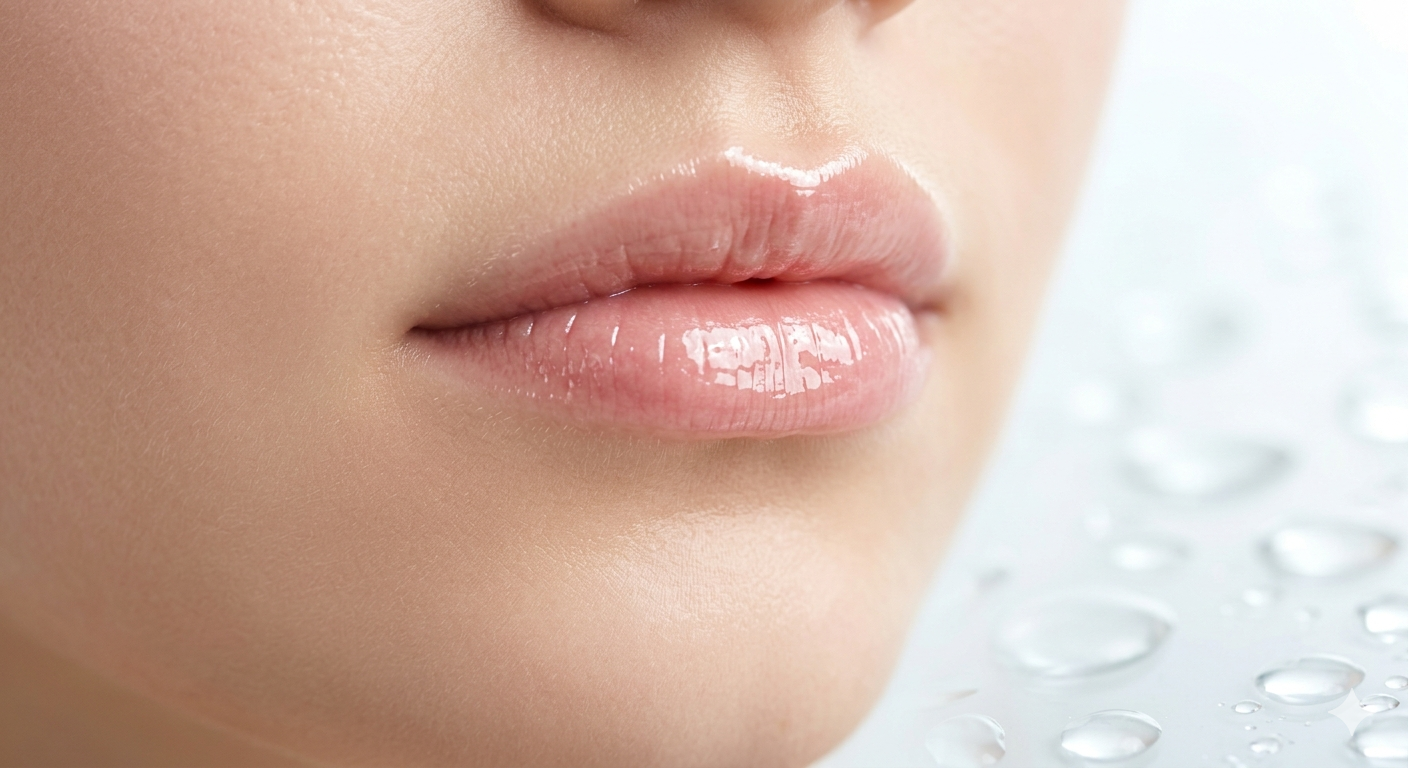
    The lips are one of the most expressive and delicate features of the face, yet they are frequently neglected in standard routines. Because the skin on your lips is structurally different from the rest of your face—it is significantly thinner and contains zero sebaceous (oil) glands—it lacks the ability to self-moisturize. This anatomical vulnerability is why lips are the first area to suffer from seasonal changes, dehydration, and the visible signs of a compromised [healthy skin barrier].

    Achieving smooth, plump, and healthy lips requires a strategy that moves beyond basic waxy balms. To truly resolve chronic dryness and protect against environmental damage, you must adopt a protocol of deep hydration and structural repair. This guide breaks down the science of lip health, reveals the professional “Lip Basting” method for total transformation, and explains how to prevent and treat darkening of the lip borders for a truly [refined complexion].

    1. Lip Biology: Why Your Lips Can’t Hydrate Themselves

    Histological cross-sections comparing facial skin and lip tissue with labeled layers and structures
    Detailed histological comparison of facial skin and lip cross-sections highlighting structural differences.

    To care for your lips effectively, you must first understand their unique anatomy. The lips are technically a “Transition Zone” between the mucous membrane of your mouth and the standard skin on your face. This unique position makes them beautiful, but it also means they lack almost all the natural defense systems found on the rest of your body. While your cheeks and forehead have a complex network of sweat and oil glands to maintain a [healthy skin barrier], your lips are essentially defenseless against the environment.

    The Keratin Gap: Standard skin has a thick, protective outer layer called the stratum corneum. Lip skin (the vermilion) is significantly thinner, often having only 3 to 5 cellular layers compared to 16 on the face. This makes the area highly susceptible to redness and physical trauma.

    Zero Lipid Production: Unlike your T-zone, the lips have zero sebaceous (oil) glands. This means they cannot produce the natural sebum needed to create an occlusive seal, leading to constant TEWL (moisture loss) and chronic tightness.

    The Melanin Deficiency: Lips contain almost no melanin—the pigment that protects skin cells from UV radiation. This lack of natural “sunscreen” is why the lips are the first area to lose collagen and develop deep “smoker’s lines” from sun exposure.

    The Saliva Conflict: Saliva contains digestive enzymes (like amylase) that are designed to break down food. When you lick your lips to soothe dryness, those enzymes stay on the surface and begin to “digest” your fragile skin barrier, worsening the irritation cycle.

    2. Resolving Chronic Dryness: The Lip Basting Method

    Most people try to fix chapped lips by applying more wax-based balm on top of dry flakes. This is a common mistake that simply “traps” the dryness underneath. To achieve a perfectly smooth surface, you must use Lip Basting—a professional technique that focuses on chemical softening and deep water saturation. This method is the secret to erasing the “sandpaper” texture and achieving a plump, dewy glow.

    The Acid Softening (Step 1): Instead of a harsh physical scrub, apply a tiny drop of a gentle Glycolic Acid (AHA) or Lactic Acid serum to your lips.
    Action: The acid dissolves the “glue” holding the dry flakes together, making them easy to wipe away without causing redness or physical trauma.

    The Water Saturation (Step 2): While your lips are still damp, apply a thick layer of a Hyaluronic Acid serum.
    Action: Because lips have no internal oil to hold water, the HA acts like a sponge, pulling moisture deep into the vermilion tissue to instantly plump the skin cells.

    The Barrier Seal (Step 3): Immediately after the HA, follow with a moisturizer rich in Ceramides. This acts as the “Mortar” to fix the gaps in your thin barrier.

    The Glossy Finish: Finish with a rich occlusive like [Squalane Oil]. This creates the 100% waterproof seal needed to stop the TEWL (moisture loss) while your lips reset.

    Frequency for Results: For chronic dryness, perform the full “Lip Basting” method 3 nights in a row. Once your lips are smooth, once a week is sufficient for maintenance. This protocol ensures your lipstick glides on effortlessly and your [refined complexion] stays balanced

    3. Fading Dark Marks: How to Treat Lip Hyperpigmentation

    Persistent brown spots, “shadows” at the corners of the mouth, or a darkening of the lip borders are all forms of [hyperpigmentation]. Because the skin here is so thin, even minor irritation can trigger your pigment cells to overreact. Achieving a truly [refined complexion] requires addressing these tonal shifts with ingredients that calm the skin while they brighten.

    The Tonal Regulator (Niacinamide): This is the essential first step for uneven borders. Applying a Niacinamide serum to the lip area helps block the transfer of pigment into the surface cells, resulting in a more uniform and vibrant natural color.

    The Natural Regenerator (Rosehip Oil): While facial Retinol is too harsh for the mouth, Rosehip Oil provides a gentle dose of natural Vitamin A. This accelerates skin regeneration, helping to lift and shed the dark spots that make the lips look dull or aged.

    The Saliva Warning: Chronic lip licking is a primary cause of darkening. The digestive enzymes in your saliva cause “Licker’s Dermatitis,” a state of constant inflammation that signals your skin to produce more melanin as a defense. Breaking this habit is mandatory for tonal clarity.

    4. The SPF Rule: Preventing Premature Lip Aging and Volume Loss

    Most people apply sunscreen to their face but completely forget their lips. This is a critical mistake in any anti-aging routine. Because the lips have almost no melanin, they have zero natural defense against UV rays. When sunlight hits your lips, it acts like a “Collagen Eraser,” snipping the elastic fibers that keep your smile looking full and smooth.

    The Zero-Defense Zone: UV exposure is the #1 cause of “smoker’s lines” (the vertical wrinkles around the mouth) and the loss of youthful lip volume. Without protection, your lips will thin and wrinkle significantly faster than the rest of your face.

    The Antioxidant Shield (Vitamin C): To boost your protection, apply a tiny drop of a stable [Vitamin C] serum under your lip balm in the morning. This neutralizes the free radicals that get past your sunscreen, providing an extra layer of structural defense.

    The Mandatory Step: A broad-spectrum SPF 30 or higher designed specifically for the lips is a non-negotiable daily requirement. It preserves your collagen and ensures your brightening treatments actually work.

    5. Nighttime Repair: The Lip Slugging Protocol for Plump Morning Results

    Nighttime is the “Golden Window” for repairing your [healthy skin barrier]. While you sleep, your body enters a state of high repair, but it is also when TEWL (moisture loss) is at its peak. Traditional lip balms often evaporate within an hour, leaving your lips vulnerable for the rest of the night. Lip Slugging is the clinical secret to stopping this leak, using a heavy “Safety Seal” to trap water and repair ingredients into your skin for 8 hours straight.

    Step 1: The Humectant (Water): Apply a single drop of Hyaluronic Acid to wet lips. This provides the internal volume that defines a youthful, hydrated smile.

    Step 2: The Mortar (Repair): Apply a small amount of a cream rich in Ceramides. This acts as the “glue” to physically fix the microscopic cracks in your lip barrier.

    Step 3: The Seal (Occlusion): Lock everything in with a thick layer of Squalane Oil or a petrolatum-based ointment. This creates a 100% waterproof shield that allows your skin cells to heal undisturbed while you sleep.

    The Results: By following this “Hydration Sandwich,” you prevent the dry, shriveled look of morning lips and instead wake up to a surface that is soft, remarkably plump, and ready for your morning routine.

    6. FAQs: Pro-Tips for Mastering Lip Health and Volume

    Achieving perfectly soft lips often requires moving past common habits and traditional products. Here are the most frequent concerns our readers have about their lip routine:

    Q: Why do my lips feel drier after using certain lip balms?
    A: Check for “Cooling” irritants. Many standard balms contain Menthol, Camphor, or Salicylic Acid. While they feel refreshing, these are actually irritants that cause your thin barrier to peel more, creating a “cycle of addiction” to the product.
    The Pro-Tip: Switch to a minimalist, Ceramide or Lanolin-based balm that focuses on repair rather than a sensory cooling effect.
    Q: Can I use my facial Retinol on my lips to help with wrinkles?
    A: No, it is too aggressive. Facial Retinol is designed for 16 layers of skin; your lips only have 3–5. Using it on your mouth will lead to severe stinging and chronic redness.
    The Alternative: Use Rosehip Oil at night. It provides a natural, gentle form of Vitamin A that helps with skin regeneration and smoothing lines without the burn.

    How to Get Plumper Lips Naturally

    Q: Do I need lip fillers to get rid of my “flat” lip look?
    A: Not necessarily. Most “flatness” is actually dehydration of the internal tissue. By using Hyaluronic Acid under a seal (Lip Slugging), you physically pull water into the skin cells, creating a natural, hydrated “swell.”
    The Verdict: Consistent hydration layering can increase your lip volume and smooth out surface lines significantly without injections.
    Q: Will using oils on my lips cause breakouts around my mouth?
    A: Only if you use the wrong oils. Avoid heavy oils like Coconut. Stick to non-comedogenic lipids like [Squalane Oil] or [Jojoba Oil]. Because these mimic your natural oils, they won’t lead to clogged pores or “Perioral Dermatitis” breakouts.

    7. Conclusion: Total Lip Care for a Radiant Smile

    Effective lip care is a combination of consistent protection and structural repair. Because your lips lack the natural oil glands found on the rest of your face, they are entirely dependent on the strategic protocol you provide. By moving past the “lick-and-dry” cycle and utilizing advanced techniques like Lip Basting and Nightly Slugging, you give this delicate zone the support it needs to stay resilient against time and the elements.

    Treat your lips with the same scientific precision you apply to your [refined complexion]. Prioritize Hyaluronic Acid for volume, Ceramides for repair, and daily SPF for long-term preservation. When you master the balance of hydration and occlusion, you unlock a healthy, radiant smile that reflects your total commitment to comprehensive skin health.


    Ready to Achieve Soft, Plump Lips?

    Find the perfect tools and specialized treatments to complete your zone routine:

    The Essential Shop: Browse our curated list of the best non-clogging lip masks, balms, and SPF shields.
    👉 [Shop The Best Repairing Lip Masks and Barrier-Safe Hydrators Now!]
    The Barrier Foundation: Learn why a healthy shield is the secret to non-reactive skin across your whole face.
    👉 [The Skin Barrier: Your Ultimate Guide to Function and Repair]
    The Eye Connection: Treat your eyes with the same delicate care as your lips. See our guide to the orbital zone.
    👉 [The Ultimate Eye Care Guide: Fading Lines and Dark Circles Safely]
  • Retinal for Eyes: The Ultimate Guide to Smoothing Fine Lines and Dark Circles Safely

    Retinal for Eyes: The Ultimate Guide to Smoothing Fine Lines and Dark Circles Safely

    The skin surrounding your eyes is the thinnest and most fragile on your entire body, often described by dermatologists as being as delicate as a silk sheet. This is why it is the first area to show the “etched-in” evidence of stress, fatigue, and aging. While many reach for standard Retinol to fix crows’ feet, the modern gold standard for this sensitive zone is Retinaldehyde, or Retinal.

    Because Retinal is “closer” to the active form of Vitamin A than standard Retinol, it works up to 11 times faster to rebuild the underlying collagen structure. However, treating the eyes requires a specialized protocol to avoid the stinging and redness that can occur on thin skin. This guide explains the science of using Retinal for eyes, reveals how it targets both dark circles and wrinkles, and provides the definitive safety method for achieving a bright, firm, and youthful gaze.


    1. Why Retinal for Eyes? The One-Step Advantage for Thin Skin

    Diagram comparing retinol and retinal cellular pathways converting to retinoic acid in skin layers
    Illustration comparing retinol and retinal pathways converting to retinoic acid in skin cells.

    The primary challenge of eye care is a biological contradiction: the skin is too fragile to handle high-strength treatments, yet it is the area that needs the most intensive repair. Most people try to use their standard face Retinol near their eyes, only to experience immediate stinging or “crepey” dryness. This happens because the skin around your eyes is up to four times thinner than the rest of your face—think of it as a delicate silk sheet compared to a thick denim jacket.

    Retinal (Retinaldehyde) is the scientific solution to this problem. Because it is much more efficient than standard Retinol, it allows you to use a gentler concentration while still receiving a powerful signal for skin regeneration.

    The “Conversion Load” Secret: Standard Retinol requires two chemical “translations” inside your skin to work. This process takes energy and can stress thin tissue. Retinal is only one step away from being active, meaning your eye skin does less “work” to get better results.

    The Sensitivity Paradox: It sounds counterintuitive, but 11x faster results don’t mean 11x more irritation. Because Retinal is so efficient, clinical formulas can use lower doses that bypass the surface-level “burn” often felt with high-dose Retinol Serums.

    The Retinoid Ladder: Sitting significantly higher on the Retinoid Ladder, Retinaldehyde provides the clinical-grade power usually reserved for prescriptions, but in a formula balanced for the orbital zone.

    Targeted Bio-Availability: Retinal is more “bio-available,” meaning more of the Vitamin A actually reaches your skin cells to boost collagen, rather than sitting on the surface and causing redness.

    By choosing a specialized Retinal eye serum, you are respecting the unique anatomy of your eyes. You are delivering a high-speed “Repair Signal” to your cells while minimizing the chemical burden on your [healthy skin barrier].

    2. Structural Repair: Erasing Crows’ Feet and Fine Lines

    Fine lines around the eyes, popularly known as crows’ feet, are unique because they are “movement-based” wrinkles. Every time you smile or squint, the skin around your eyes folds. In youthful skin, high levels of collagen and elastin allow the skin to “snap back” like a fresh rubber band. As these proteins decline, those temporary folds become permanent. Retinal acts as the structural architect for this specific zone, focusing on rebuilding the internal support system so your skin can handle movement without creasing.

    Collagen Induction: Retinaldehyde is a potent signal for your fibroblasts, the “building” cells of your skin. It instructs them to produce a fresh surge of Type I collagen to fill in the microscopic “valleys” of fine lines from the inside out.

    Thickening the Dermis: The eye area looks “crepey” when the skin becomes too thin. Retinal actively works to thicken the deeper layers of the orbital skin, making it more resilient and less likely to sag or fold deeply when you smile.

    The Concealer Fix: Rough, uneven skin texture is what causes makeup to “settle” and look cakey. By accelerating cell turnover, Retinal smooths the surface, achieving a more refined complexion where makeup glides on effortlessly.

    Long-Term Memory: Structural repair isn’t instant. While moisture helps immediately, the real “lifting” effect of skin regeneration takes about 12 weeks of consistent use as your new collagen matrix matures.

    Pro-Tip for Texture: If you find that your eye area looks “bumpy” or has tiny white seeds (milia), Retinal is the solution. Its ability to keep the pores clear prevents the protein buildup that causes milia, ensuring your eye area remains perfectly smooth and reflective.

    3. Beyond Wrinkles: How Retinal Brightens Dark Circles

    Most people assume dark circles are simply a sign of a bad night’s sleep. However, from a biological standpoint, those shadows are usually caused by two things: excess pigment on the surface or thin skin showing the blood vessels underneath. Retinal is one of the few ingredients that can treat both issues at once. By speeding up your skin’s renewal and thickening the delicate orbital tissue, it acts as a permanent “brightener” that works far better than a temporary concealer.

    Lifting Surface Pigment: If your circles are brown or grey, they are likely caused by sun damage or hyperpigmentation (PIH). Retinal accelerates cell turnover, forcing your skin to shed those pigmented cells faster and reveal a much brighter, more even skin tone.

    The “Frosted Glass” Effect: If your circles look blue or purple, it is because the skin is so thin that the blood vessels underneath are showing through. Think of thin skin like a clear window. Retinal signals the skin to build more collagen, which “thickens the glass.” As the skin gets denser, it becomes opaque, hiding the veins underneath and making you look instantly more rested.

    Antioxidant Defense: The eye area is highly vulnerable to free radicals from pollution. By providing antioxidant support, Retinal helps prevent the “hollow” and dull look that happens when skin cells are under stress.

    Total Tonal Clarity: Consistent use leads to a translucent, radiant finish. It doesn’t just “cover” the darkness; it fixes the structural reasons why the darkness is there in the first place, helping you achieve a refined complexion.

    Pro-Tip for Brightness: If your primary concern is “Tired Eyes,” look for a formula that pairs Retinal with Ginseng or Caffeine. These ingredients boost microcirculation, which helps “drain” the fluid that causes puffiness and makes dark circles look even more pronounced.

    4. The Orbital Bone Protocol: The Safe Method for High-Performance Results

    The skin on your eyelids is the thinnest on your body and lacks the density to process high-speed actives like Retinal directly. Applying potent formulas too close to the lash line is the #1 cause of the redness and stinging that makes users quit. To achieve a [luminous glow] without the “Retinol burn,” you must follow the professional Orbital Bone Protocol. This method relies on your skin’s natural heat to deliver the active ingredients where they are needed, ensuring maximum repair with zero irritation.

    Step 1: The Clean Foundation: Before applying any treatment, you must ensure the area is free of stubborn sunscreen and makeup. Use The Art of Double Cleansing every evening to provide a pristine canvas for the Retinal to work.

    Step 2: The “Dot” Placement: Dispense a tiny, rice-sized amount of Retinal eye serum onto your ring finger. Apply three small dots strictly along the hard ridge of the orbital bone—one under the eye, one at the outer corner (crows’ feet area), and one just under the eyebrow tail. Avoid the immediate eyelid and lash line entirely.

    Step 3: The Ring Finger Tap: Using only your ring finger—which naturally exerts the least amount of pressure—gently “tap” or “bounce” the product into the bone. This prevents the pulling and stretching of the skin barrier that leads to further sagging.

    Step 4: The Heat Migration Secret: You do not need to apply the cream to your wrinkles for it to work. As your skin warms up, the Retinal will naturally “migrate” about a half-inch inward toward the eye. This slow movement ensures the thinnest skin receives a buffered, safe dose of the active.

    Step 5: The Safety Seal: Once the serum has set for 2 minutes, press 1 drop of Squalane Oil over the area. This provides a non-clogging lipid shield that prevents TEWL (moisture loss) and locks the structural repair signals into your cells all night.

    Frequency Rule for Success: Follow the 2-2-2 schedule. Use the Retinal eye serum only two nights per week for the first two weeks. If your skin feels “quiet” and hydrated, you can slowly increase to every other night. This gradual approach is the secret to completing the <a href=”/skincare-methods/retinol-retinization-period-guide”>Retinization Process</a> without the drama of peeling or redness.

    5. Selection Criteria: How to Spot a High-Performance Eye Formula

    Because Retinal (Retinaldehyde) is a fragile and expensive molecule, the quality of the brand you choose is paramount. Not all eye creams are created equal; some use the name for marketing but lack the stability to deliver results. To ensure your investment leads to real collagen growth and structural repair, your formula must meet these three clinical standards.

    The Potency Marker (The Yellow Glow): High-purity Retinal is naturally a vibrant yellow or orange color. When you dispense your eye serum, it should have a noticeable golden tint. If the cream is stark white, the concentration of Retinal is likely too low to provide the “11x faster” results you are looking for.

    The Slow-Release Bubble (Encapsulation): Retinaldehyde is potent. To prevent stinging in the thin eye area, look for “Encapsulated” formulas. This means the active is wrapped in a microscopic lipid bubble that dissolves slowly overnight, delivering tiny, manageable doses to your skin cells rather than one harsh blast.

    The Barrier-Supportive Base: A high-quality eye serum doesn’t just deliver the active; it protects the construction site. Ensure your chosen product is rich in Ceramides, Niacinamide, or Hyaluronic Acid. These ingredients buffer the Retinal and ensure your skin barrier remains supple and non-reactive.

    Stabilized Packaging: Because Vitamin A derivatives break down when exposed to air and light, never buy a Retinal eye cream in a clear jar. Only choose opaque tubes or airless pumps to ensure the formula stays active until the very last drop.

    The Selection Rule: If you are a beginner, look for a concentration of 0.01% to 0.03%. If you have resilient skin and are targeting deep crows’ feet, graduate to 0.05% or 0.1%. Matching the strength to your tolerance is the only way to achieve an [even-toned glow] without the setback of redness.

    6. FAQs: Pro-Tips for Brighter, Firmer Eyes

    Treating the delicate orbital area with high-performance actives requires precision. Here are the most common concerns our readers have when introducing Retinal into their eye care routine:

    Q: Will Retinal make my eyes look more “hollow” or tired?
    A: No, it should do the opposite. Hollowness is usually caused by dehydration or thin skin. By building new collagen, Retinal actually thickens the dermis over time.
    The Pro-Tip: If you feel hollow at first, your skin is likely thirsty. Use a Hyaluronic Acid serum under your eye cream to plump the area while the Retinal works on the structure.
    Q: Can Retinal eye creams cause milia (tiny white bumps)?
    A: Actually, Retinal helps prevent them. Milia are often caused by heavy, waxy creams that trap dead skin cells. Because **Retinal** accelerates cell turnover, it keeps the pores clear and prevents the protein buildup that causes those tiny seeds.
    The Verdict: It is the best choice for achieving a perfectly smooth skin texture around the eyes.
    Q: My eyes are stinging slightly. Should I stop?
    A: Not unless there is visible redness or swelling. A mild tingle for 60 seconds is a normal part of the Retinization Process.
    The Pro-Fix: If the stinging lasts longer, use the “Sandwich Method”: apply a tiny bit of plain moisturizer, then your Retinal dots, then one more layer of moisturizer. This slows down the penetration for total comfort.
    Q: Can I use this if I wear contact lenses?
    A: Yes, if you follow the Orbital Bone Method. By keeping the product away from your immediate lash line, you ensure the cream doesn’t seep into your eyes and coat your lenses.
    The Safety Rule: Apply your eye treatment at least 30 minutes before bed to give it time to “set” so it doesn’t move while you sleep.
    Q: Should I use Retinal in the morning if I want faster results?
    A: No, it is strictly a nighttime active. Vitamin A is destroyed by sunlight, and its rapid cell turnover makes your skin highly sensitive to UV rays.
    The AM Protocol: Use a gentle Vitamin C eye serum for protection during the day and save your Retinal for the nightly repair cycle.

    7. Conclusion: The Definitive Solution for Rested Eyes

    Choosing a specialized Retinal for eyes is the most effective way to turn back the clock on your most delicate feature. By leveraging its “Active Proximity” and structural repair power, you move beyond basic hydration and start actively rebuilding your skin’s foundation. While the results are up to 11 times faster than standard formulas, the secret to success is respecting the fragile anatomy of the orbital zone. By mastering the Orbital Bone Protocol and prioritizing barrier-safe buffers like Ceramides, you can finally achieve the bright, firm, and youthful gaze you deserve.

    Patience and precision are the final active ingredients in this journey. Stick to the “2-2-2” schedule, protect your progress with daily SPF, and let the advanced science of Retinaldehyde deliver the radiant, rested results that topical creams alone cannot provide. Your eyes are the window to your youth—treat them with the specialized care they require for a truly [refined complexion].


    Ready to Transform Your Eye Area?

    To achieve clinical results, the quality of the formula is everything. We have vetted the top-rated Retinal eye serums based on their stability, encapsulation technology, and ability to minimize [skin irritation].

    The Precision Leader: Medik8 Crystal Retinal Ceramide Eye
    The industry standard for eye repair. It uses a tiered strength system so you can build tolerance safely.
    👉 Check Price & Availability on Amazon
    The K-Beauty Glow: Beauty of Joseon Revive Eye Serum
    A viral favorite that combines Retinal with Ginseng to boost circulation and reduce dark circles.
    👉 Shop Beauty of Joseon on Amazon
    The Clinical Repairer: Avene RetrinAL Eyes
    Specifically formulated for the most sensitive eyes, focusing on smoothing deep texture and crows’ feet.
    👉 Check Price & Availability on Amazon
    The Expert Tip: Don’t forget to seal your eye treatment. Find the 0/5 non-clogging oil that locks in your results and prevents “Crepey” skin.
    👉 Why You Need Squalane Oil for Eye Care
  • Retinal (Retinaldehyde): The High-Performance Guide to Faster Skin Transformation

    Retinal (Retinaldehyde): The High-Performance Guide to Faster Skin Transformation

    In the world of Vitamin A, there is a new gold standard. While Retinol has long been the favorite for [anti-aging], those in the know have moved on to its much more powerful sibling: Retinaldehyde, or simply Retinal.

    What makes Retinal a breakthrough is its efficiency. Scientifically proven to work up to 11 times faster than traditional Retinol, it offers a direct shortcut to building collagen, clearing pores, and achieving a truly [refined complexion]. This guide explores the unique science of Retinal, its rare antibacterial benefits for [acne breakouts], and how to choose the right strength to transform your skin without a prescription.


    1. Why Retinal? The “One-Step” Advantage Explained

    To understand why Retinal has become the new favorite of skin experts, we have to look at how your skin “wakes up” the ingredients you apply. Your skin cells are highly specialized; they cannot use Vitamin A in its raw form. They must first activate it, transforming it into a precise biological state called Retinoic Acid. The closer an ingredient is to this active state, the more powerful and efficient it becomes for achieving a truly [refined complexion].

    The Activation Gap: Standard Retinol is two steps away from becoming active. This means your skin has to perform a series of chemical changes to make the ingredient work. During these steps, much of the original potency is lost, making results take longer to appear.

    The Retinal Advantage: Retinaldehyde (Retinal) is just one step away from its most active, powerful form. Because it is in “Active Proximity” to what the skin needs, it delivers its repair signals more directly. This allows it to work up to 11 times faster than traditional Retinol.

    Maximum Signal Purity: Because your skin doesn’t have to work as hard to convert the molecule, a higher percentage of the ingredient remains intact to reach the deeper layers where collagen is built. You get more “work” out of every drop.

    The Glow Difference: By narrowing the gap between application and activation, Retinal provides a faster shortcut to visible skin firming and texture repair. It is the definitive choice for those who want the results of a high-performance active without the wait.

    By choosing the advanced technology of Retinal, you are providing your skin with a more “ready-to-use” form of Vitamin A. This biological efficiency is the secret to why a tiny amount of Retinal can produce the same transformative results as a much larger dose of standard Retinol, but with significantly better [tolerance] and a more immediate, radiant glow.

    2. The Adult Acne Solution: Retinal’s Antibacterial Power

    A unique feature that separates Retinal from every other form of Vitamin A is that it is naturally antibacterial.

    Double Action: While it clears clogged pores from the inside out, it simultaneously kills P. acnes bacteria on the surface.
    The Target: This makes it the absolute best choice for “Adult Acne” or anyone dealing with hormonal breakouts alongside fine lines.
    Redness Reduction: It helps calm the inflammation of active spots, leading to a faster recovery and fewer [post-acne marks].

    3. Navigating the Strengths: 0.01% to 0.1%

    Because Retinal is so potent, the percentages look much smaller than Retinol. Do not be fooled; a 0.1% Retinal is an extremely powerful treatment.

    0.01% – 0.03%: Ideal for beginners or those with very sensitive skin.
    0.05% (The Sweet Spot): The most common strength for seeing visible results in texture and tone with minimal irritation.
    0.1% (High Potency): For experienced users looking for maximum skin firming and deep wrinkle repair.

    4. The Retinal Protocol: How to Apply and Layer Safely

    Because Retinal is a high-performance active, the technique you use during application is just as important as the product itself. To capture the “11x faster” benefits without overwhelming your [healthy skin barrier], you must follow a precise sequence that prioritizes absorption and protection.

    Step 1 (The Bone-Dry Rule): After washing your face with a gentle pH-balanced cleanser, wait 10 full minutes for your skin to dry completely. Applying Retinal to damp skin can cause the active to penetrate too fast, which leads to unnecessary stinging.

    Step 2 (The Gentle Start): Even if you have used Retinol before, treat Retinal as a new level of power. Use it only two nights per week for the first 14 days. This gives your skin cells time to adjust to the “Active Proximity” of the formula.

    Step 3 (The Moisture Lock): Once the Retinal has absorbed, you must seal the skin to prevent TEWL (moisture loss). Press 2 drops of Squalane Oil into your face. This provides a non-clogging lipid shield that keeps your barrier calm while the repair happens overnight.

    Step 4 (The Morning Shield): Faster renewal means your skin is revealing fresh, new cells every day. These cells are highly sensitive to UV rays. You must apply a high-rated Korean SPF 50+ PA++++ every single morning to protect your results and prevent sun damage.

    5. Top Picks: The Best Retinaldehyde Serums to Buy

    Finding a high-quality Retinal requires looking for brands that use stable, encapsulated delivery systems.

    The Gold Standard: Medik8 Crystal Retal
    Available in tiered strengths (1, 3, 6, 10, and 20), this allows you to gradually climb the ladder without irritation.

    The Clinical Favorite: Avene RetrinAL 0.1 Intensive Cream
    A heavy-duty repair cream that is excellent for mature skin and deep structural signs of aging.

    The Value King: Geek & Gorgeous A-Game 5
    A budget-friendly 0.05% serum that provides high-end stability and texture at an accessible price.

    6. FAQs: Mastering the High-Performance Glow

    Q: Why is my serum bright yellow?
    A: That is the natural color of Retinal. High-purity Retinaldehyde is a vibrant yellow or orange. This is a sign of a potent, active formula.

    Q: Can I use this with Vitamin C?
    A: Yes, but separate them. Use your [Vitamin C Serum] in the morning and your Retinal at night to avoid overwhelming your barrier.

    Q: Will it make me peel more than Retinol?
    A: Usually not. Because Retinal is more efficient, your skin converts it more easily. Most users find it is better tolerated than high-dose standard Retinol.

    7. Conclusion: The Most Intelligent Form of Vitamin A

    Retinal (Retinaldehyde) represents the pinnacle of modern Vitamin A technology. It is the intelligent choice for anyone looking to move past the limitations of traditional Retinol and achieve faster results for collagen building, pore clearing, and radiance. By utilizing its “Active Proximity” and natural antibacterial properties, you can finally address both [acne breakouts] and signs of aging with one single, high-performance step.

    Respect the power of the molecule, prioritize your [skin barrier] with healthy lipids, and be consistent with your sun protection. When you choose the advanced science of Retinal, you aren’t just changing your routine—you are giving your skin the direct signal it needs to be its most resilient, firm, and radiantly youthful self.


    Ready to Upgrade to High-Performance Vitamin A?

    Discover the best tools and routines to maximize your results:

    The Expert Shop: Browse our top-rated Retinaldehyde serums and creams for every skin type.
    👉 [Shop The Best Retinaldehyde Power-Serums and Repair Kits Now!]
    The Strategy Guide: Learn how to rotate your new active into the professional 4-night schedule.
    👉 [Skin Cycling: The Ultimate 4-Night Guide to Radiance]
    The Safety Bridge: Need help navigating the first 4 weeks? Read our guide to a no-peel transition.
    👉 [The Retinization Guide: How to Build a Routine Without Irritation]
  • The Complete Olay Regenerist Skincare Routine: Layering Retinol, Peptides, and Niacinamide

    The Complete Olay Regenerist Skincare Routine: Layering Retinol, Peptides, and Niacinamide

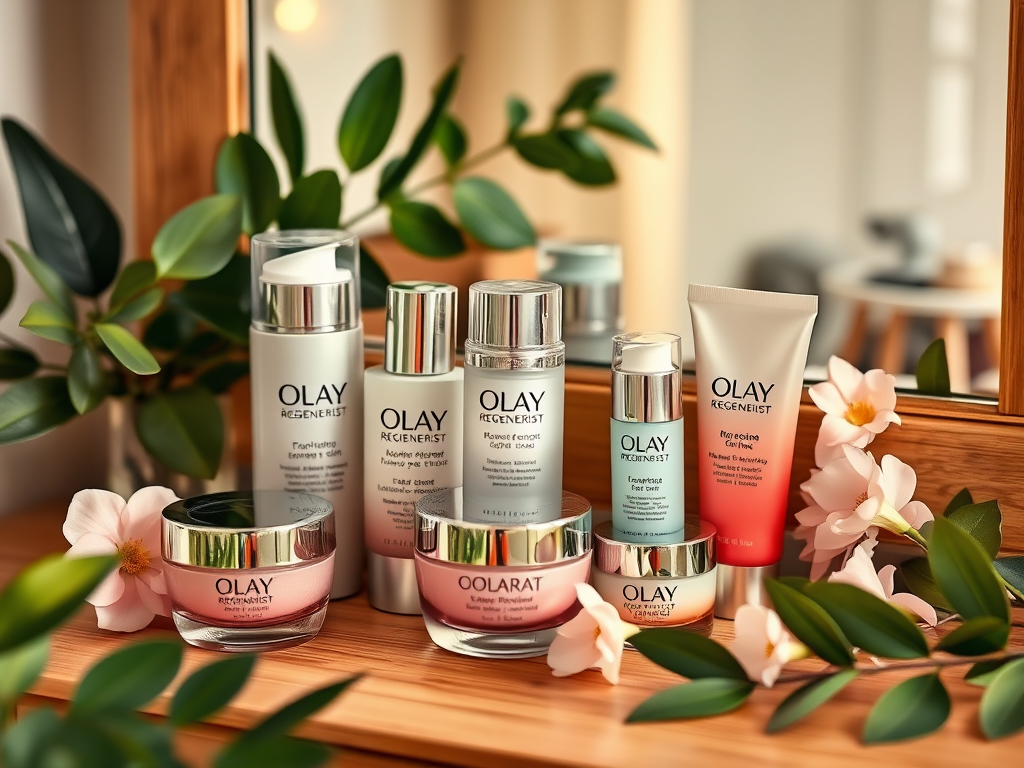
    You have invested in the proven science of the Olay Regenerist line, but achieving visible skin firming and smoothing fine lines requires more than just a single cream. To unlock the full potential of these formulas, you must follow a strategic layering protocol that separates protection during the day from structural repair at night.

    Building an effective anti-aging routine can feel overwhelming, especially when managing potent actives like Retinol. However, the Olay system is designed for high compatibility. This guide provides the definitive step-by-step routine, explaining exactly how to sequence your products to maximize collagen and protect your [healthy skin barrier] without causing irritation.


    1. Foundation: The Essential Pre-Routine Prep

    Every successful routine begins with a pristine canvas. If your skin is not properly cleansed, your expensive [Peptide Serums] and Retinol will sit on top of dead skin and debris rather than penetrating the surface.

    Morning Prep: Use a gentle water-based wash like the Olay Regenerist Revitalizing Cream Cleanser to remove overnight oils.
    Evening Prep: Perform The Art of Double Cleansing. Use an oil-based cleanser first to melt away SPF and makeup, followed by a gentle wash.
    The Goal: To ensure a clean, pH-balanced base that is ready to absorb the structural active ingredients.

    2. AM Routine: Protection, Hydration, and Peptides

    The morning is about defense. You need to shield your skin from environmental damage while providing the structural signals needed for all-day firming.

    Step 1 (Antioxidant): Apply a stable Vitamin C Serum to neutralize free radicals caused by the sun.
    Step 2 (Firming): Apply your Olay Regenerist Micro-Sculpting Cream or Collagen Peptide 24. This delivers a continuous dose of Amino-Peptides to boost elasticity.
    Step 3 (Shield): Apply an Olay day cream with SPF 30 or higher. This is the most critical step to prevent the UV damage that breaks down your existing collagen.

    3. PM Routine: Retinol, Repair, and Maximum Collagen

    Your skin enters “repair mode” while you sleep. This is the only time you should use the [Retinol24] line, as Vitamin A can be deactivated by sunlight and increase sensitivity.

    Step 1 (Treatment): Apply the Retinol24 Night Serum to clean, dry skin. This concentrated formula accelerates cell turnover to smooth texture.
    Step 2 (Repair): Layer the Retinol24 Night Moisturizer over the serum. This provides a second dose of Retinol buffered by Niacinamide to prevent dryness.
    Step 3 (Mandatory Seal): For best results, press 2 drops of Squalane Oil over your Olay products. This prevents TEWL and eliminates the “sandpaper” texture common with Retinol use.

    4. Key Layering Conflicts to Avoid

    Even a safe line like Olay Regenerist has boundaries. To avoid a damaged barrier and severe skin irritation, you must respect the chemical conflicts of Vitamin A.

    The Acid Rule: Never use strong exfoliating acids (like AHA/BHA pads) on the same night as your Retinol24 products. This will cause redness and peeling.
    The Strategy: Use the Medicube Zero Pore Pads on Monday and Wednesday, and use your Olay Retinol routine on the other nights.
    The Buffer: If you have sensitive skin, always use the Retinol Sandwich Method by applying a light layer of moisturizer before and after your treatment.

    5. FAQs: Mastering Your Olay Routine

    Q: Can I use the Micro-Sculpting Cream and Retinol24 together?
    A: Yes, but separate them. Use the Micro-Sculpting Cream (Peptides) in the morning for firming, and the Retinol24 line at night for renewal.

    Q: How long should I wait between steps?
    A: Give each layer about 60 seconds to absorb. For Retinol, wait until the skin is bone-dry before applying to minimize the risk of stinging.

    Q: Do I really need an oil seal at night?
    A: For most people, yes. Retinol is naturally drying. Using a non-comedogenic oil like Squalane or Jojoba ensures your [skin barrier] stays strong while the Olay actives work.

    6. Conclusion: Precision for Anti-Aging Results

    Consistency is the secret to the Olay Regenerist Skincare Routine. By strategically separating your Vitamin C protection in the morning from your Retinol repair at night, and providing structural Peptide support throughout the day, you create the optimal environment for collagen synthesis. Follow this protocol daily, prioritize barrier-repairing sealants, and you will achieve a visibly firmer, smoother, and more radiant complexion.


    [Call to Action Button]

    Shop The Full Olay Regenerist System for Anti-Aging Results Now!

  • Olay Regenerist Retinol24 Review: The “No-Fear” Way to Smoother, Younger Skin

    Olay Regenerist Retinol24 Review: The “No-Fear” Way to Smoother, Younger Skin

    If you have ever researched how to erase fine lines or fix a rough skin texture, you have heard of Retinol. It is the gold standard of anti-aging, but for many, it also comes with a reputation for being scary. We have all heard stories of the “Retinol Burn”—the peeling, redness, and [skin irritation] that makes people want to hide at home. This is where Olay Regenerist Retinol24 changes the game.

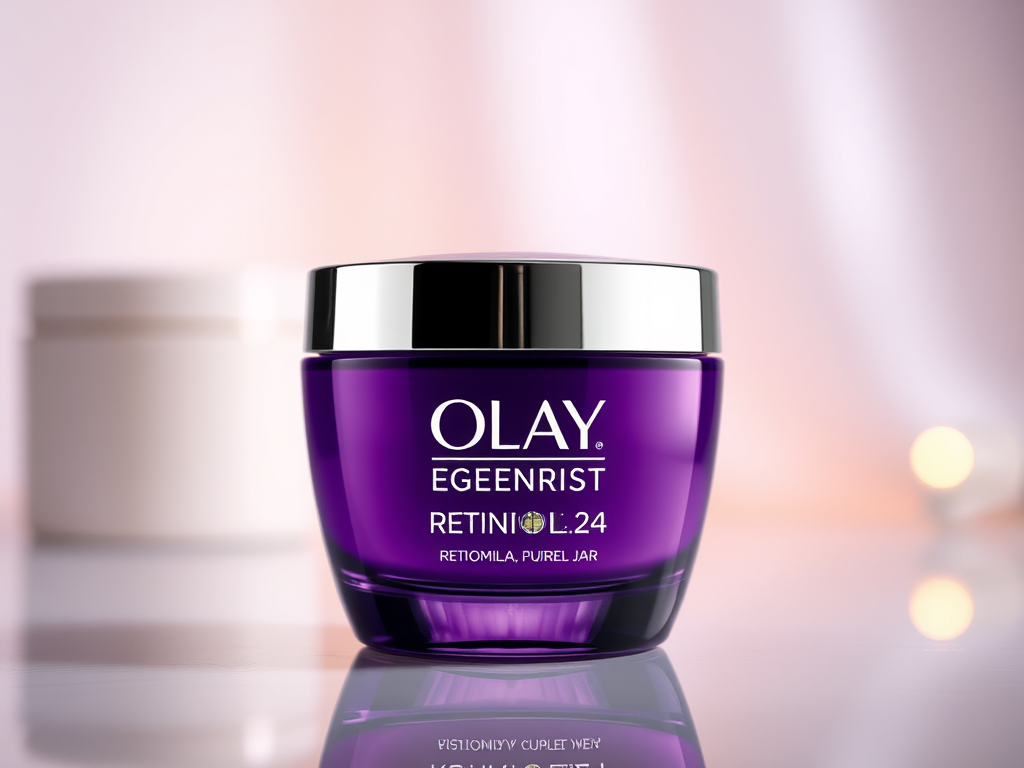
    Olay’s “Purple Jar” collection was designed specifically for people who want the power of Vitamin A without the drama. By blending a potent retinoid complex with a massive dose of soothing ingredients, Olay created a formula that works while you sleep, allowing you to wake up to a glow rather than a rash. This guide provides an honest look at the Retinol24 line, explaining why it is the perfect entry point for anyone ready to start their [skin regeneration] journey safely.


    1. The Olay Secret: How the Niacinamide Buffer Works

    The reason most Retinol products cause peeling is that they force your skin to renew itself faster than your [healthy skin barrier] can handle. Olay solved this by using a “Signal and Shield” approach. Think of Retinol as a fast-forward button for your cells and Niacinamide as the protective cushion.

    The Retinoid Blend: Olay uses a specialized mix of Vitamin A derivatives that stay active for a full 24 hours, providing a steady signal to boost collagen.
    The Niacinamide Shield: By including a high concentration of Niacinamide, the formula calms inflammation and builds up your barrier as the Retinol works.
    The Result: You get the deep structural benefits of a retinoid without the surface-level redness or stinging.

    2. Choosing Your Format: Serum, Moisturizer, or Eye Cream

    The Retinol24 collection offers three different ways to get your nightly dose of Vitamin A. The best one for you depends on your skin type and your personal preference for feel.

    Retinol24 Night Moisturizer: The classic choice. It is a rich, velvety cream that provides 24-hour hydration. Best for those with dry or [mature skin].
    Retinol24 Night Serum: A lightweight, liquid version that sinks in instantly. It is the best choice for oily skin or for people who like to layer multiple products.
    Retinol24 Eye Cream: Specifically balanced for the thin skin around your eyes. It targets crows’ feet and crepiness without being too heavy.

    3. Real Results: What Retinol24 Does for Your Complexion

    When used consistently, the combination of Peptides, Niacinamide, and Retinol produces a noticeable shift in how your skin behaves and reflects light.

    Texture Smoothing: By accelerating cell turnover, the formula buffs away rough patches and makes your skin feel silky soft.
    Pore Minimization: Keeping the “pipes” of your skin clear prevents the stretching that makes pores look large.
    Brightening: The rapid renewal helps fade the dark spots left behind by the sun or past acne.

    4. How to Start Safely: The “Low and Slow” Method

    Even though Olay is designed to be gentle, Vitamin A is still a powerful active. To avoid any potential [skin irritation], you should ease your skin into the routine.

    The Schedule: Start by using the product only two nights a week (like Monday and Thursday). If your skin feels happy after two weeks, move to every other night.
    The Sandwich Method: If you are very sensitive, apply a thin layer of a basic moisturizer first, then your Olay Retinol, and then another layer of moisturizer (or 2 drops of Squalane Oil) to “sandwich” the active.
    The Morning Rule: Retinol makes your skin “new” and vulnerable. You must apply SPF 30 or higher every single morning to protect those fresh cells.

    5. The “Never Mix” Rule: Avoiding Common Mistakes

    The biggest mistake beginners make is being too aggressive. To keep your barrier safe, you have to be careful about what else you use on your “Retinol nights.”

    No Acids: Do not use strong exfoliating pads (like AHA or BHA) on the same night as your Retinol24. Use your Medicube Pads on your “off” nights instead.
    No Vitamin C: Pure Vitamin C is very acidic. It is best to save your [Olay Vitamin C] products for the morning and keep the Retinol for the night.

    6. FAQs: Tips for Beginners

    Q: Will I go through a “purge” period?
    A: Possibly. Some people see a few extra breakouts in the first two weeks as the pores clear out. This is normal. Stick with it for at least 4 weeks to see the clear skin on the other side.

    Q: Can I use this if I have sensitive skin?
    A: Yes. This is one of the safest Retinols for sensitive types because of the Niacinamide buffer. Always choose the “Fragrance-Free” version for maximum safety.

    Q: How long until I see fewer wrinkles?
    A: Be patient. Hydration happens instantly, but building new collagen takes time. You will see a real difference in your lines after about 8 to 12 weeks of nightly use.

    7. Conclusion: Is the Purple Jar Worth It?

    The Olay Regenerist Retinol24 line is a rare find in the beauty world: it provides the clinical power of a retinoid with the comfort of a daily moisturizer. It is the perfect solution for anyone who has been afraid to try Retinol but is ready to fix their texture and fine lines. By focusing on stability, hydration, and barrier support, Olay has created a “no-fear” path to your best skin yet.


    [Call to Action Button]

    Shop The Full Olay Retinol24 Collection and Start Your Repair Routine Now!

  • Olay Regenerist Review: The “Power Duo” Secret to Firmer, Smoother Skin

    Olay Regenerist Review: The “Power Duo” Secret to Firmer, Smoother Skin

    Finding skincare that actually lives up to the hype—without costing a small fortune—can feel like an impossible mission. We’ve all seen those “miracle” creams priced at hundreds of dollars, but here’s the truth: effective science doesn’t have to come with a luxury price tag. This is exactly why Olay Regenerist has such a legendary reputation. Best known for its iconic “Red Jar,” this collection has spent decades proving that you can get professional-grade firming and smoother skin on a real-world budget.

    So, how does Olay do it? Their secret is a “skin-first” philosophy. Instead of chasing every TikTok trend, Olay sticks to a research-backed power duo: Amino-Peptides and Niacinamide.

    In this guide, we’re breaking down the different “colors” of the Regenerist family. We’ll explain why this science is a game-changer for mature skin and help you pick the perfect formula to get that firm, radiant glow you’ve been looking for.

    1. The Core DNA: Why Niacinamide and Peptides are the Perfect Pair

    Every product in the Olay Regenerist line is built on a shared scientific foundation that dermatologists call “Cellular Signaling.” While many products just sit on the surface, Olay is designed to “talk” to your skin. This is achieved through a synergy of two essential ingredients that act as the Signal and the Shield for your face.

    The Signal (Amino-Peptides): These are tiny protein fragments that act like a “Work Order” for your skin. They trick your skin cells into thinking it is time to build more collagen and elastin, which are the building blocks of firm skin.

    The Shield (Niacinamide): Also known as Vitamin B3, this is the architect that protects the construction site. It strengthens your [healthy skin barrier], calms redness, and ensures your skin stays hydrated enough to produce that new collagen.

    The Result: By combining the signal to build with the shield to protect, Olay helps restore the “bounce” and volume that we naturally lose as we age.

    2. Navigating the Roadmap: Which Olay Color Is Right for You?

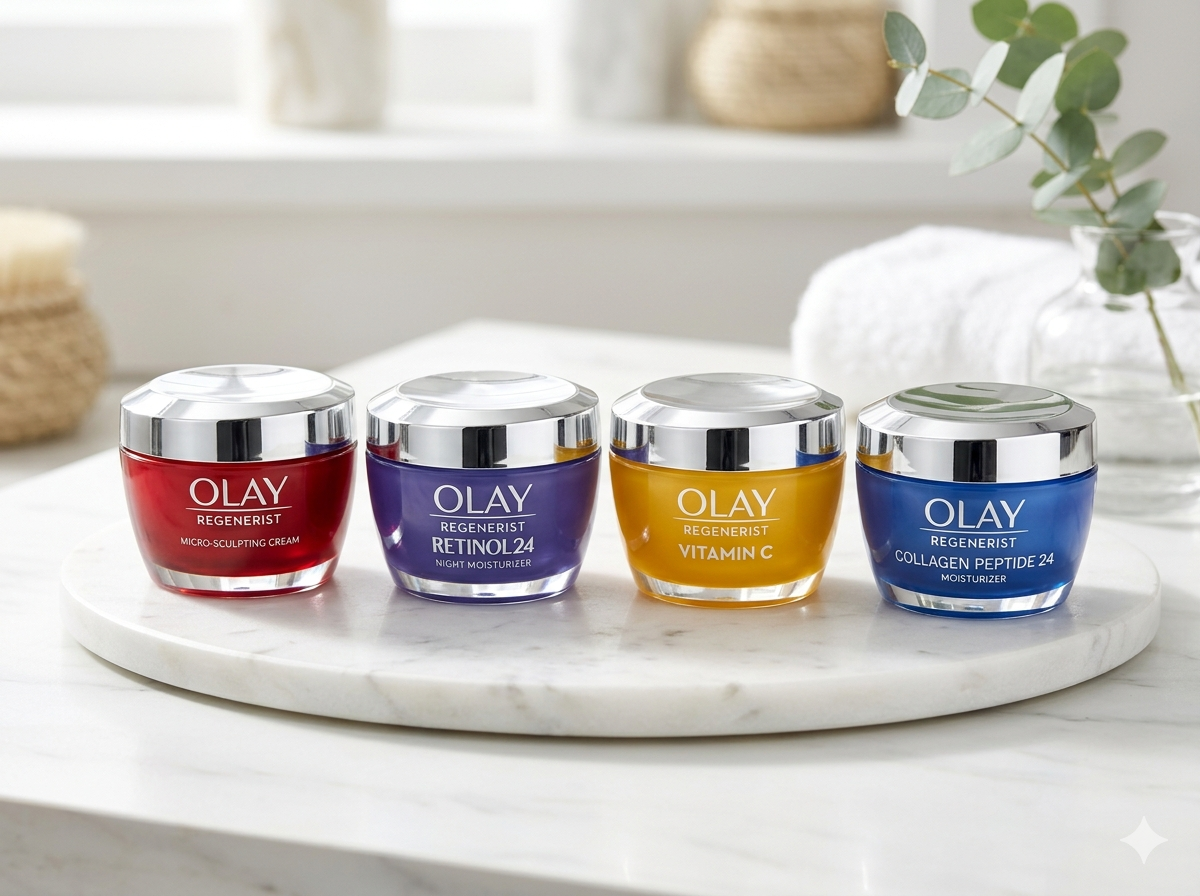
    Olay has organized its collection into specialized “Color Silos.” Each line takes the core Peptide/Niacinamide base and adds a third active to solve a specific problem.

    The Red Line (Original Regenerist): The classic choice for skin firming. It focuses on deep hydration and structural lifting. Best for those concerned about sagging and jowls.

    The Purple Line (Retinol24): Olay’s “Nightly Renovation” kit. It adds a potent Retinoid complex to speed up cell turnover. It is the best choice for smoothing deep wrinkles and clearing [clogged pores].

    The Yellow Line (Vitamin C + Peptide 24): The “Radiance Booster.” It uses stable Vitamin C to fight dullness and provide daily antioxidant protection for a Glass Skin glow.

    The Blue Line (Collagen Peptide 24): The “Hydration Plumper.” It is a lighter, fragrance-free line that focuses on immediate volume and 24-hour moisture for dehydrated skin.

    3. The Value Verdict: Olay vs. High-End Prestige Brands

    One of the biggest questions readers ask is: “Can a drugstore cream really work as well as a $200 luxury brand?” The scientific answer is Active Ingredient Equivalency. When you strip away the designer labels and heavy glass jars, the actual peptides and vitamins used to stimulate collagen are often identical.

    The Purity Standard: Olay uses high-purity actives that are stabilized to ensure they don’t lose power on your shelf.
    The Formulation Advantage: Because Olay is such a large brand, they can afford the clinical testing required to prove their products actually work, which is something many smaller “luxury” brands skip.
    The Verdict: If you prioritize skin health and results over fancy packaging, Olay provides professional-grade anti-aging at an unbeatable value.

    4. Building Your Routine: How to Layer Your Olay Products

    Consistency is the most important part of an anti-aging routine. To see real results in your fine lines, you should follow a simple AM/PM split.

    Morning (Protect): Cleanse, apply your Vitamin C serum, and use the Olay Micro-Sculpting Cream followed by SPF 30 or higher.

    Evening (Repair): Use The Art of Double Cleansing to remove the day’s grime, apply your Retinol24 serum, and seal it with the night moisturizer.

    The Final Seal: For extra-dry skin, press 2 drops of Squalane Oil over your Olay cream to lock in the repair work while you sleep.

    5. FAQs: Pro-Tips for Better Results

    Q: Can I use the “Red Jar” and the “Purple Jar” together?
    A: Yes, but at different times. Use the Red Jar (Micro-Sculpting) in the morning for firming and the Purple Jar (Retinol24) at night for renewal. This covers every angle of repair.

    Q: Does Olay Regenerist cause breakouts?
    A: Most Olay products are non-comedogenic, meaning they are designed not to clog pores. If you have very oily skin, choose the “Whip” version of the creams for a lighter finish.

    Q: How long until I see my skin getting firmer?
    A: You will feel the hydration immediately. For structural changes like less sagging or smoother wrinkles, it takes about 4 to 8 weeks of daily use for the new collagen to mature.

    6. Conclusion: Investing in Your Skin’s Future

    Olay Regenerist has remained a global favorite for one reason: it respects the science of the [skin barrier]. By focusing on the proven synergy of Peptides and Niacinamide, the line provides an effective, accessible path to achieving a smoother, firmer, and more radiant complexion. Start with the color that matches your primary concern, be consistent with your routine, and enjoy the confidence of skin that looks and acts years younger.

    [Call to Action Button]

    Shop The Best Olay Regenerist Products and Sculpting Tools Now!

  • The Science of Anti-Aging Skincare: Cellular Senescence, Collagen Degradation, and Barrier Repair

    The Science of Anti-Aging Skincare: Cellular Senescence, Collagen Degradation, and Barrier Repair

    Fine lines, dynamic expression wrinkles, loss of structural elasticity, and hyperpigmentation—visible skin aging is often framed as an inevitable cosmic tax. However, in the realm of modern dermatological research, skin aging is viewed through a much clearer lens: a series of distinct, manageable biochemical processes.

    Your skin does not simply wear out over time. Instead, it responds to a complex interplay of internal genetic clocks and external environmental stressors. Achieving true structural rejuvenation requires looking past marketing hype and understanding the cellular mechanics of your skin tissue. By targeting the microscopic pathways responsible for cellular repair, you can systematically support your skin matrix to maintain firmness, density, and a youthful radiance from the inside out.

    1. Intrinsic vs. Extrinsic Aging: The Dual Mechanisms

    To successfully intervene in the aging process, we must first isolate the two distinct biological forces that drive structural degradation.

    Aging process diagram showing comparison of young skin with dense structural support versus aged skin with broken elastin, atrophied collagen, and visible surface wrinkling

    Dermal Architecture: The physical difference between dense, youthfully organized collagen bundles (left) and structurally fragmented, collapsed aging tissue (right) showing atrophied matrix proteins.

    The Chronological Clock (Intrinsic Aging): Intrinsic aging is a genetically predetermined process driven by the steady passage of time. At a cellular level, this is governed by telomere shortening. Every time your skin cells divide, the protective caps on your chromosomes shorten. Eventually, cells hit the Hayflick Limit and enter cellular senescence—a state where they no longer divide but stubbornly remain in the tissue, secreting inflammatory molecules (the Senescence-Associated Secretory Phenotype, or SASP) that degrade surrounding healthy structures.

    The Environmental Accelerators (Extrinsic Aging): Extrinsic aging accounts for up to 80% of premature facial changes and is entirely driven by external exposures. The primary culprit is Ultraviolet Radiation (UVA and UVB), a process known as photoaging. UVA rays penetrate deep into your dermis, targeting fibroblast cells and triggering a biochemical cascade that generates massive quantities of Destructive Free Radicals.

    The Free Radical Theory of Aging: Free radicals are highly unstable, oxygen-derived molecules (Reactive Oxygen Species, or ROS) missing an electron. To stabilize themselves, they aggressively steal electrons from your healthy skin cells, cell membranes, and DNA strands. This chronic state of oxidative stress mutates cellular structures, stops cellular repair pathways, and fundamentally compromises your skin’s long-term regenerative capabilities.

    2. At-A-Glance: Cellular Aging Targets & Active Solutions

    For optimal scannability and structural rich snippets, reference this engineering matrix detailing exactly how clinical actives interact with specific biological targets inside your skin layers:

    Biological Target Biochemical Action Gold Standard Actives Expected Clinical Result
    Fibroblast Cells Binds to nuclear receptors to trigger fresh collagen synthesis Retinoids (Retinol, Retinal, Tretinoin) Increased skin thickness, smoothed deep wrinkles
    MMP Enzymes Neutralizes free radicals to halt enzymatic collagen breakdown L-Ascorbic Acid (Vitamin C), Ferulic Acid Prevention of sagging skin, brighter skin tone
    Extracellular Matrix Acts as cellular messengers signaling structural matrix repair Signal Peptides (Matrixyl 3000, Copper Peptides) Improved baseline elasticity, firmer skin texture
    Stratum Corneum Replenishes intercellular lipid mortar to suppress inflammaging Ceramides, Phytosphingosine, Niacinamide Plump surface texture, reduced chronic skin redness

    3. The Structural Shift: Collagen, Elastin, and GAGs

    Your skin’s firmness and bounce rely entirely on the integrity of the Extracellular Matrix (ECM) located in the dermal layer. As we age, this support system faces a coordinated enzymatic assault.

    The Degradation of Collagen and Elastin: Structural density is maintained by fibroblast cells, which synthesize structural proteins. Collagen provides tensile strength, while elastin allows your skin to stretch and bounce back. After your mid-20s, your skin produces roughly 1% less Type I and Type III collagen every single year. Simultaneously, UV exposure upregulates destructive enzymes called Matrix Metalloproteinases (specifically MMP-1, or collagenase), which chop healthy collagen triple-helix strands into useless fragments.

    The Evaporation of Glycosaminoglycans (GAGs): GAGs, such as Hyaluronic Acid, are water-binding sugar molecules that fill the spaces between your collagen strands. They keep the dermis highly pressurized, hydrated, and plump. As structural GAG production craters over time, the skin loses its internal volume. This causes the outer tissue layers to sink into static lines and deep dynamic folds.

    4. The Glycation Pathway: How Sugar Stiffens Skin Structure

    While UV rays attack the dermal matrix from the outside, your metabolic diet can silently sabotage your skin framework from the inside through a process called glycation.

    The Formation of AGEs: When excess sugar molecules (glucose or fructose) enter your bloodstream, they float through your dermal layers and physically attach themselves to your protein structures. This non-enzymatic reaction produces destructive compounds known as Advanced Glycation End-products (AGEs).

    The Stiffening Complex: Healthy collagen is naturally subtle, dynamic, and organized in loose, flexible bundles. When AGEs coat these fibers, they form rigid, hard cross-links. This robs the collagen matrix of its elasticity, turning flexible tissue brittle. Skin impacted severely by glycation exhibits deep criss-cross surface wrinkles, a sallow complexion, and a distinct loss of bounce that cannot be fixed by surface hydration alone.

    5. Molecular Drivers of Youth: Retinoids, Peptides, and Antioxidants

    To reverse structural decline, your skincare choices must contain bio-active molecules capable of communicating directly with your skin cells through targeted delivery pathways.

    Retinoids (The Gene Expression Regulators): Retinoids are the undisputed kings of cellular age management. Once converted into Retinoic Acid within the skin, they slip directly into the cell nucleus and bind to Retinoic Acid Receptors (RAR). This genetic signal forces your cells to accelerate cellular division in the basal layer, push fresh cells to the surface, and command fibroblasts to ramp up new collagen production while suppressing destructive MMP enzymes.

    Peptides (The Specialized Cellular Telegrams): Peptides are short chains of amino acids that serve as biochemical messengers. They fall into three main functional categories:

    Signal Peptides (e.g., Palmitoyl Pentapeptide-4): Trick your cells into thinking a massive collagen collapse has occurred, triggering an immediate, automated surge in protein repair.

    Neurotransmitter-Inhibiting Peptides (e.g., Argireline): Mildly disrupt the chemical signaling that triggers muscle contractions, softening the appearance of expression lines.

    Carrier Peptides (e.g., Copper Peptides): Deliver critical trace minerals deep into the skin tissue to stabilize wound healing and enzymatic synthesis.

    Antioxidants (The Radical Interceptors): Antioxidants like Pure Vitamin C (L-Ascorbic Acid) serve as voluntary targets for destructive free radicals. They sacrifice an electron to satisfy free radicals before the radicals can damage your healthy dermal DNA. Furthermore, Vitamin C is a mandatory enzymatic co-factor for prolyl hydroxylase; without it, your body cannot physically cross-link amino acids into stable collagen strands.

    6. Penetration Mechanics: Encapsulation and Delivery Vehicles

    The most brilliant ingredient formulation is entirely useless if it sits on top of your skin. Anti-aging skincare science is deeply reliant on molecular delivery technologies.

    The Stratum Corneum Barrier: Your outer skin layer is specifically designed to keep things out. It is hydrophobic (oil-loving) and tightly bound with lipid sheets. Because of this, raw water-soluble molecules face a massive challenge passing through to reach the live tissue layers underneath.

    The Encapsulation Solution: Advanced dermatological formulas utilize Liposomes and micro-encapsulation technologies. By wrapping unstable molecules (such as pure Retinol or Vitamin C) inside microscopic lipid spheres that mimic your cell membranes, the ingredient is protected against oxidizing breakdown from exposure to air or light. Once massaged into the face, these spheres merge with your skin lipids, facilitating deep penetration and slowly releasing active doses over hours to prevent sudden surface irritation spikes.

    7. Why Barrier Longevity Prevents “Inflammaging”

    One of the newest frontiers in longevity science is the study of inflammaging—chronic, low-grade systemic inflammation that dramatically accelerates the physical aging process.

    The Broken Barrier Loop: When your outer lipid barrier is persistently stripped by harsh routines or the environment, it triggers a continuous immune response. Your skin releases a flood of pro-inflammatory cytokines like interleukin-1 (IL-1) and TNF-alpha. This chronic, low-grade inflammation cascades down into the dermis, where it inadvertently destroys neighboring collagen bundles and accelerates the breakdown of your elastic network.

    Preserving Biological Youth: True anti-aging science recognizes that a healthy skin barrier is your first line of defense against structural decline. By topically introducing bio-identical lipids like Ceramides (NP, AP, EOP), Squalane, and Cholesterols, you seal the microscopic cracks in your stratum corneum matrix. This halts the inflammatory cascade and allows your skin’s cellular energy to be spent on deep tissue repair rather than constant survival defense.

    8. FAQs: Demystifying Cellular Skincare Science

    Q: Can topical collagen products rebuild my skin’s internal structure?
    A: Structurally impossible due to the 500-Dalton absorption rule. The molecular weight threshold for topical skin absorption is roughly 500 Daltons. A native collagen molecule has a massive molecular weight of approximately 300,000 Daltons, meaning it can never slip past the outer barrier to rebuild dermal structures. Instead, it functions purely as an excellent surface humectant to bind moisture. To affect deep collagen levels, you must rely on cellular triggers under 500 Daltons or liposomal delivery systems.

    Q: At what age does cellular skin aging genuinely begin?
    A: Biochemical changes begin around age 20 to 25. While visible indicators like fine lines rarely show up until your 30s, your natural antioxidant reserves, cell turnover rates, and systemic collagen production begin their slow downward trend in your early 20s. Preventive routines started during this window yield the highest long-term tissue retention.

    Q: What is the scientific difference between Retinol, Retinal, and Tretinoin?
    A: The number of chemical conversion steps required by your skin cells. Skin cells can only interpret retinoids when they are converted into Retinoic Acid. Retinol requires two metabolic conversion steps; Retinal (Retinaldehyde) requires only one step; and prescription Tretinoin is pure, immediate Retinoic Acid. Fewer conversion steps translate to faster results but carry a significantly higher risk of initial skin irritation.

    Conclusion: Cultivating Structural Longevity

    Effective anti-aging skincare is not about chasing miracles; it is about respecting cellular biology. By understanding that your dermal support system is constantly balancing synthesis against degradation, you can build an intelligent, scientifically sound routine. Focus your efforts on protecting your cell structures with stable daily antioxidants, stimulating protein synthesis with targeted retinoid molecules, protecting your skin from sugar-based glycation, and halting the destructive cycle of inflammaging by fiercely defending your moisture barrier.


    Ready to put this science into practice? Take the next step toward a resilient complexion by exploring our practical guide: The Ultimate Anti-Aging Skincare Routine: Step-by-Step Morning & Evening Protocol.