

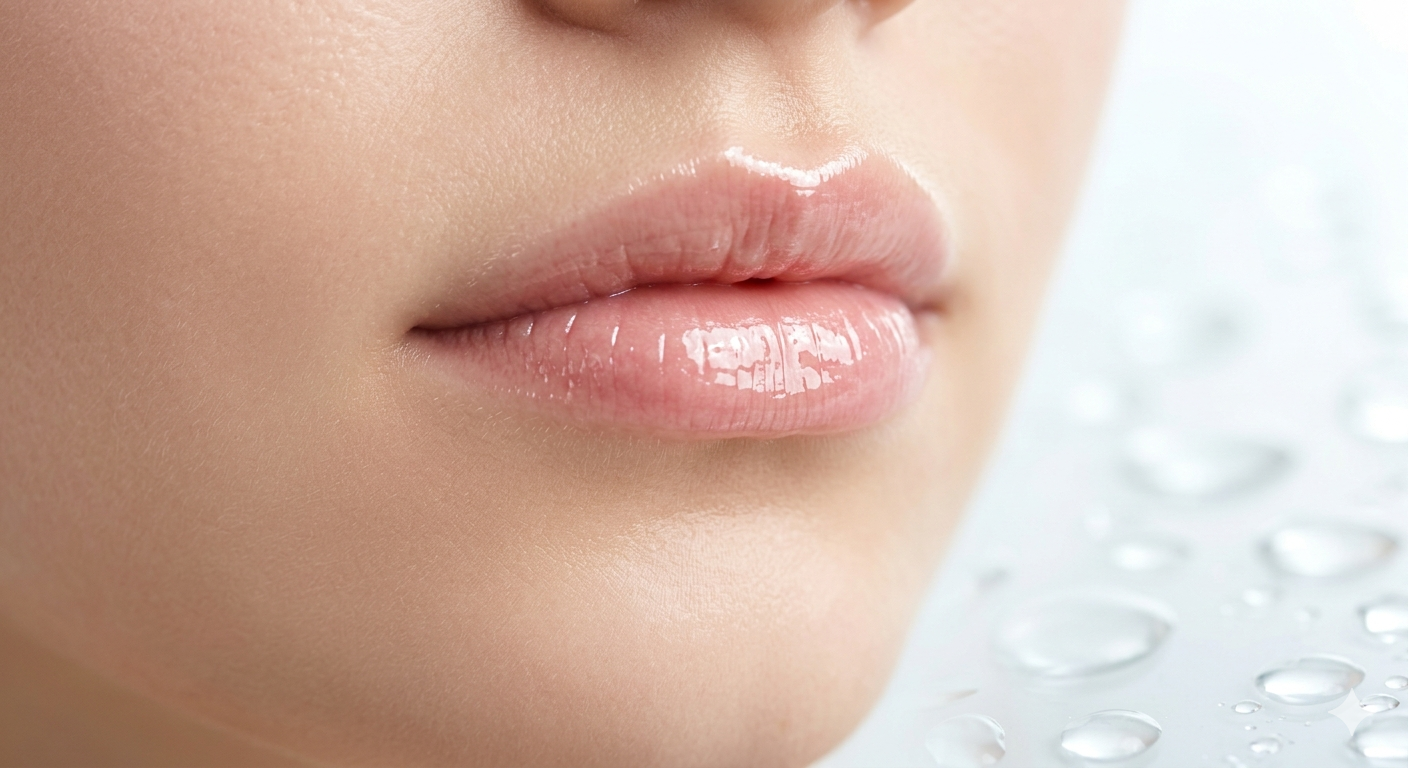
Chapped, peeling, or chronically dry lips can throw off your whole skincare game. Because the skin on your lips lacks oil glands and is significantly thinner than the rest of your face, it requires a dedicated strategy to stay hydrated and protected. Discover the ultimate lip care routine—backed by dermatological science—to repair severe dryness, restore barrier health, and achieve naturally soft, plump lips year-round.

1. The Science: Why Lips Dry Out So Quickly
Unlike facial skin, which features multiple protective cellular layers and active sebaceous (oil) glands, your lips feature a thin vermilion border. With zero natural sebum output, lips are uniquely vulnerable to rapid **Transepidermal Water Loss (TEWL)** caused by cold weather, low humidity, indoor heating, and sun exposure.
2. Lip Licker’s Cheilitis: Break the Saliva Cycle
When your lips feel dry, the instinctive reaction is to lick them. However, this triggers a condition known as **Lip Licker’s Cheilitis** (salivary contact dermatitis):
- Enzyme Breakdown: Human saliva contains digestive enzymes—specifically amylase and lipase—designed to break down starches and fats. When applied to thin lip skin, these enzymes digest your outer protective lipids.
- Evaporative Cooling: As the water in your saliva evaporates, it strips away underlying ambient moisture from the vermilion border, leaving your lips drier than before you licked them.
3. Key Ingredients to Look For (And Avoid)
Formulation matters when restoring compromised lip tissue. Choosing clean barrier-builders speeds recovery, while irritants trap you in a cycle of constant reapplication.
| Category | Recommended Ingredients | Ingredients to Avoid |
|---|---|---|
| Humectants | Hyaluronic Acid, Glycerin, Aloe Vera | Drying Alcohol (Alcohol Denat, Isopropyl Alcohol) |
| Emollients | Shea Butter, Ceramides, Squalane, Jojoba Oil | Synthetic Fragrances & Artificial Dyes |
| Occlusives | Petrolatum, Beeswax, Lanolin (if not allergic) | Menthol, Camphor, Phenol, Peppermint Oil |
4. The 3-Step Daily Lip Care Routine

- Gentle Exfoliation (1–2x Weekly): Avoid harsh physical scrubs containing large sugar crystals or crushed fruit pits. Instead, gently press a warm, damp microfiber cloth over your lips after showering or applying a gentle oil cleanser like in our Art of Double Cleansing Guide to lift dead flakes.
- Layer Hydration: Apply a hydrating serum containing **hyaluronic acid** or **glycerin** directly to damp lips to bind water to the surface cells.
- Seal with SPF: Finish your morning routine with a broad-spectrum lip sunscreen. Sunlight degrades collagen, driving premature lip thinning and hyperpigmentation. Check out our tested picks in the Best SPF Lip Balms Round-Up.
4.1 Mineral vs. Chemical Lip SPF: Which Is Best?
Choosing the right UV protection for your lips comes down to balancing texture, taste, and sensitivity:
- Mineral Sunscreens (Zinc Oxide / Titanium Dioxide): Physical blockers sit on top of the skin. They are non-irritating and ideal for hyper-reactive or eczema-prone lips. However, non-nano Zinc formulas can leave a slight chalky white cast.
- Chemical Sunscreens (Avobenzone, Octisalate): Chemical filters absorb into the skin without leaving a visible cast, making them seamless under lipsticks. However, chemical UV filters can taste bitter if swallowed and may trigger stinging on severely cracked lips.
5. Overnight Lip Repair & Slugging
Nighttime is when skin cell regeneration peaks. To avoid waking up with cracked lips, practice **lip slugging**:
6. Frequently Asked Questions
Q: Why do my lips feel drier when I apply balm?
Many commercial balms contain irritating cooling agents like menthol, camphor, or salicylic acid. These produce a temporary cooling sensation but accelerate moisture evaporation and inflame thin skin, creating a addictive reapplication cycle.
Q: How can I fix dark or pigmented lips?
Hyperpigmentation along the lip border is usually triggered by unprotected sun exposure, chronic licking, or smoking. Daily use of an SPF lip product alongside gentle antioxidants helps restore natural tone over time.
Q: Is lip exfoliation strictly necessary?
No. Over-exfoliating damages delicate epidermal layers. Limit soft exfoliation to once or twice a week, and always follow up immediately with a rich occlusive ointment.
7. Final Thoughts: Sustainable Lip Hydration
Healthy, hydrated lips aren’t achieved overnight by constantly reapplying scented balms. By eliminating saliva irritation, prioritizing non-sensitizing SPF protection, and applying rich occlusive night treatments, you can maintain a resilient barrier year-round.
Leave a Reply