Tag: radiant skin

  • Vitamin C Serum: The Ultimate Guide to Fading Dark Spots, Anti-Aging, and Antioxidant Defense

    Vitamin C Serum: The Ultimate Guide to Fading Dark Spots, Anti-Aging, and Antioxidant Defense

    In the hierarchy of skincare ingredients, few are as essential or as potent as Vitamin C (Ascorbic Acid). It is the ultimate multi-tasker, proven by decades of dermatological research to be crucial for protection, healing, and renewal.

    A high-quality Vitamin C Serum is your daily shield against free radicals and sun damage, your most powerful tool for fading hyperpigmentation and dark spots, and a potent catalyst for collagen production, making it non-negotiable for anti-aging.

    This comprehensive guide breaks down the complex chemistry of Vitamin C, reveals how to spot the most stable and effective serums, and outlines the correct protocol for integrating this powerhouse into your routine for a brighter, firmer complexion.


    <nav id=”table-of-contents”>
    <h2>Table of Contents</h2>
    <ul>
    <li><a href=”#vitamin-c-science”>1. The Science: Why Vitamin C is a Skincare Pillar</a></li>
    <li><a href=”#vitamin-c-benefits”>2. The 4 Transformative Benefits of Vitamin C</a></li>
    <li><a href=”#vitamin-c-types”>3. The Chemistry of C: Which Form is Best? (L-Ascorbic Acid)</a></li>
    <li><a href=”#stability-storage”>4. The Stability Challenge: Oxidation and Storage</a></li>
    <li><a href=”#routine-protocol”>5. How to Integrate Vitamin C Serum into Your Routine</a></li>
    <li><a href=”#layering-actives”>6. Layering Rules: Pairing C with Niacinamide and Retinol</a></li>
    <li><a href=”#faqs-vitamin-c”>7. FAQs: Mastering Your Vitamin C Routine</a></li>
    </ul>
    </nav>

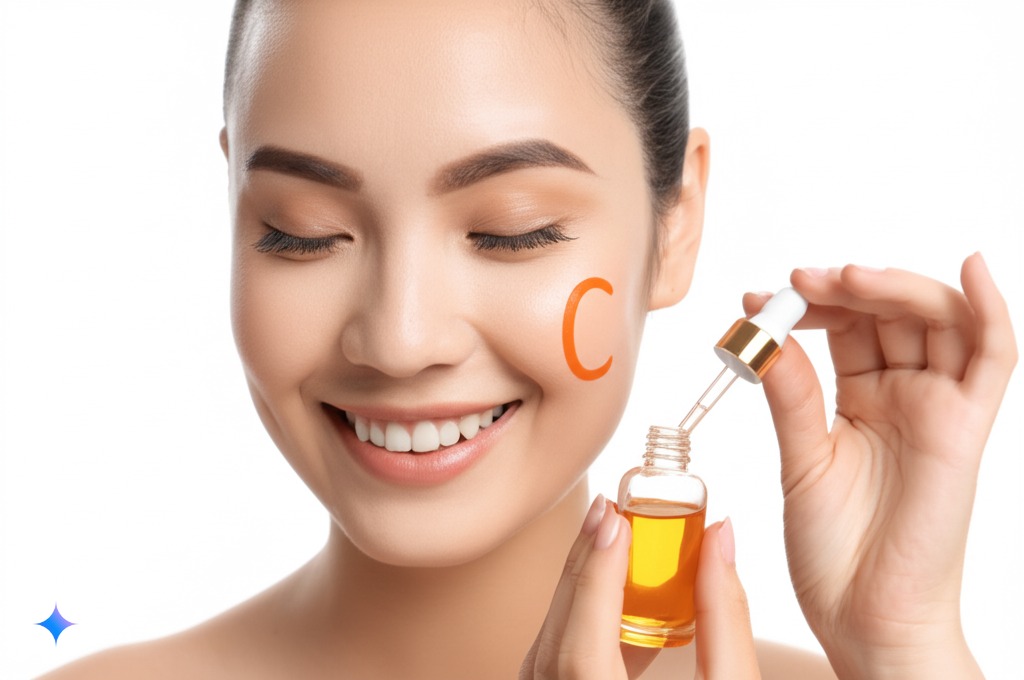
    [Image 1: Vitamin C Antioxidant Shield]
    Alt Text: Graphic illustrating Vitamin C Serum acting as a shield, protecting skin cells from free radicals and UV damage.
    Caption: Vitamin C is the cornerstone of anti-aging and sun protection, fighting free radicals and boosting collagen production.

    <h2 id=”vitamin-c-science”>1. The Science: Why Vitamin C is a Skincare Pillar</h2>

    Vitamin C is a potent antioxidant required by the body for tissue repair and enzymatic functions. In skincare, its power is threefold:

    • Antioxidant Defense: It neutralizes reactive oxygen species (free radicals) generated by UV exposure and pollution, preventing cellular damage that leads to aging and hyperpigmentation.
    • Collagen Catalyst: It is an essential co-factor for the enzymes needed to synthesize collagen, boosting elasticity and firmness.
    • Healing & Repair: It accelerates the healing process and strengthens the skin barrier.

    <h2 id=”vitamin-c-benefits”>2. The 4 Transformative Benefits of Vitamin C</h2>

    1. Fades Hyperpigmentation (PIH & Dark Spots): Vitamin C inhibits tyrosinase, the enzyme that produces melanin. This directly stops the formation of new pigment and lifts existing dark spots.
    2. Boosts Collagen & Firmness: By promoting collagen synthesis, Vitamin C improves skin elasticity, smoothing fine lines and contributing to a firm, youthful structure.
    3. Brightens Skin Tone: It gently exfoliates and reduces the dull appearance caused by oxidative stress, delivering instant radiance and luminosity.
    4. Enhances Sun Protection: When applied under SPF, Vitamin C amplifies sun protection by neutralizing the free radicals that get past the filter.

    <h2 id=”vitamin-c-types”>3. The Chemistry of C: Which Form is Best? (L-Ascorbic Acid)</h2>

    The efficacy of Vitamin C Serum depends on the form used.

    Vitamin C FormStabilityEfficacy (Potency)Why It Matters
    L-Ascorbic Acid (LAA)Very LowHighest (The gold standard).LAA is the only form of Vitamin C the skin can readily use, but it oxidizes quickly.
    Sodium Ascorbyl Phosphate (SAP)HighMedium (Better for acne-prone skin).Water-soluble; gentler and more stable, often found in acne treatments.
    Ascorbyl GlucosideHighMedium-LowStable and gentle, requires two conversions to become active.

    The Gold Standard: L-Ascorbic Acid (LAA), often formulated with Vitamin E and Ferulic Acid (CEF) to increase stability and efficacy.

    <h2 id=”stability-storage”>4. The Stability Challenge: Oxidation and Storage</h2>

    Vitamin C Serum is notoriously fragile. Oxidized Vitamin C turns yellow or brown and becomes pro-oxidative (free radicals), meaning it can damage the skin.

    • Ideal Formulation: LAA should be formulated at a low pH (below 3.5) and at a concentration between 10% and 20% to be effective.
    • Storage Protocol: Store your Vitamin C Serum in a dark, airtight bottle. Refrigerating the serum significantly slows the oxidation process and extends its shelf life.

    <h2 id=”routine-protocol”>5. How to Integrate Vitamin C Serum into Your Routine</h2>

    Vitamin C Serum is essential for the Morning Routine to maximize its antioxidant role.

    1. AM Use Only: Apply the serum to clean, dry skin after cleansing (and before any heavy creams).
    2. Layering: Apply thin, water-based serums first. Follow immediately with a lightweight oil (like Squalane Oil) to seal the active.
    3. Mandatory SPF: Always follow Vitamin C with a broad-spectrum SPF of 30+ to complete your antioxidant defense system.

    For targeted fading treatment at night, you can pair it with Rosehip Oil. Learn how to layer them safely here: [Rosehip Oil vs. Vitamin C Serum: Which Fades Hyperpigmentation Faster?].

    <h2 id=”layering-actives”>6. Layering Rules: Pairing C with Niacinamide and Retinol</h2>

    • Vitamin C and Niacinamide: SAFE. This is a powerful combination for fighting hyperpigmentation and redness. Apply Vitamin C first (AM).
    • Vitamin C and Retinol: ALTERNATE. Using them simultaneously can cause irritation. Use Vitamin C in the morning (for antioxidant defense) and Retinol in the evening (for skin regeneration).

    <h2 id=”faqs-vitamin-c”>7. FAQs: Mastering Your Vitamin C Routine</h2>

    Q: Should I use Vitamin C every day?
    A: Yes. Daily AM use is recommended to build up a steady supply of antioxidants and protect against daily free radicals.

    Q: Will Vitamin C cause purging?
    A: No. Vitamin C is not an exfoliant designed to accelerate cell turnover and should not cause purging.

    Q: Does Vitamin C help with acne?
    A: Indirectly. It helps heal post-acne marks (PIH) and its anti-inflammatory properties can soothe redness.

    <h2 id=”conclusion-vitamin-c”>Conclusion: The Essential Shield for Skin Longevity</h2>

    Vitamin C Serum is more than a brightening product; it is the cornerstone of any effective anti-aging and protective skincare routine. By consistently applying a high-quality, stable L-Ascorbic Acid formula every morning, you provide your skin with unparalleled antioxidant defense against free radicals, actively boosting collagen production and fading hyperpigmentation. Remember the two rules for success: stability is key (store it well), and SPF is mandatory. Commit to this powerhouse ingredient to secure your skin’s health and maintain a radiant, firmer complexion.


    [Call to Action Button]

    Shop The Best Stable Vitamin C Serums and Anti-Aging Formulations Now!

  • Your Ultimate Guide to Vegan Skincare: Routines, Products & Ethical Choices

    Your Ultimate Guide to Vegan Skincare: Routines, Products & Ethical Choices

    Thinking about transforming your beauty routine? You’re not alone! More and more people are seeking effective, compassionate beauty options that align with their values for a healthier planet and healthier skin. But diving into the world of vegan skincare can feel overwhelming: What exactly is it? How is it different? And how do you build a routine that delivers fantastic results without compromise?

    This ultimate guide to vegan skincare breaks down everything you need to know. We’ll demystify vegan products, clarify the crucial distinctions from “cruelty-free,” help you identify common non-vegan ingredients, and walk you through building a simple yet effective vegan skincare routine designed for glowing, radiant skin the compassionate way. Beyond just ingredients, we’ll also explore the broader landscape of ethical skincare, including cruelty-free practices and sustainable choices, empowering you to embrace truly conscious beauty.


    Table of Contents

    • Beyond Your Skin: The Rise of Ethical Skincare
    • What Exactly Is Vegan Skincare? The Core Definition
    • Vegan vs. Cruelty-Free: Understanding the Crucial Difference
      • What “Cruelty-Free” Truly Means
      • Key Cruelty-Free Certifications to Look For
      • Navigating Cruelty-Free Brands in China
    • Why Make the Switch? The Benefits of Vegan Skincare
    • Decoding Labels: Common Non-Vegan Ingredients to Avoid
    • Building Your Core Vegan Skincare Routine: Step-by-Step
      • Step 1: Vegan Cleanser
      • Step 2: Vegan Toner / Essence
      • Step 3: Vegan Serum / Ampoule
      • Step 4: Vegan Moisturizer
      • Step 5: Vegan Sunscreen
    • Embracing Sustainable Vegan Beauty: Good for the Planet
      • Pillar 1: Sustainable Sourcing of Ingredients
      • Pillar 2: Eco-Friendly Packaging
      • Pillar 3: Water Conservation & Biodegradability
      • Pillar 4: Ethical Manufacturing
    • Finding Your Holy Grail Vegan Products: Tips & Resources
    • Frequently Asked Questions (FAQs) About Vegan Skincare
    • The Bottom Line: Conscious Choices for Radiant Skin

    Beyond Your Skin: The Rise of Ethical Skincare

    The modern skincare consumer cares about more than just personal benefits. A product’s journey, from its creation to its disposal, is increasingly scrutinized. Ethical skincare encompasses:

    • Animal Welfare: Ensuring no animals were harmed in the testing or production of ingredients (cruelty-free).
    • Ingredient Purity: Avoiding animal-derived components (vegan).
    • Environmental Impact: Minimizing harm to the planet through sustainable sourcing, packaging, and manufacturing practices (sustainable beauty).

    Making informed choices in these areas contributes to a holistic approach to skin health and global well-being.

    What Exactly Is Vegan Skincare? The Core Definition

    At its heart, vegan skincare refers to products that are formulated without any animal-derived ingredients or animal by-products. This commitment extends beyond obvious animal components to include any substance that originates from an animal, their secretions, or exploitation.

    It’s a powerful choice that reflects a compassionate stance towards animal welfare, ensuring your daily beauty regimen contributes to a more ethical world.

    Vegan vs. Cruelty-Free: Understanding the Crucial Difference

    This is one of the most common points of confusion in ethical beauty. While often linked, “vegan” and “cruelty-free” are distinct terms:

    • Vegan: Means a product contains no animal-derived ingredients or by-products. (e.g., no honey, beeswax, lanolin, collagen from animals).
    • Cruelty-Free: Means the product and its ingredients were not tested on animals at any point in its development or manufacturing.

    Important Distinction:

    • A product can be cruelty-free but not vegan (e.g., a brand doesn’t test on animals but uses beeswax).
    • A product can be vegan but not cruelty-free (e.g., it contains no animal ingredients but is sold in a market where animal testing is legally mandated for imported cosmetics).
    • For truly animal-friendly products, look for items certified as both vegan AND cruelty-free.

    Key Cruelty-Free Certifications to Look For

    Trustworthy cruelty-free certifications provide third-party verification. Look for these logos:

    • Leaping Bunny: The most stringent and globally recognized certification. It ensures no animal testing by the company, its suppliers, or any third parties at any stage of product development.
    • PETA’s Beauty Without Bunnies: Offers two lists: “Global Animal Test-Free” (for companies that don’t test anywhere) and “Global Animal Test-Free and Vegan.”
    • Choose Cruelty-Free (CCF – Australia): Another reputable certification, though primarily focused on Australia.

    Navigating Cruelty-Free Brands in China

    This is a common point of confusion. For a long time, traditional animal testing was legally required for most imported cosmetics sold in mainland China.

    • The Change: As of May 2021, China introduced new regulations that allow for some imported “general cosmetics” (like cleansers) to be sold without animal testing, provided the company meets specific criteria (e.g., has a Good Manufacturing Practice certificate).
    • Still Complex: The situation remains nuanced. Brands selling in physical stores in mainland China may still face post-market animal testing requirements. Look for brands that explicitly state they do not sell in mainland China, or specify they are only selling via cross-border e-commerce (which doesn’t require animal testing).

    Why Make the Switch? The Benefits of Vegan Skincare

    Embracing a vegan skincare routine offers a multitude of benefits that extend beyond your complexion:

    1. Ethical Compassion: The primary driver for many, making a direct stand against animal exploitation and suffering in the beauty industry.
    2. Ingredient Transparency & Focus: Encourages brands to prioritize potent and effective plant-based ingredients, botanical extracts, and innovative synthetic alternatives, often leading to cleaner formulations.
    3. Potentially Gentler Formulas: Many vegan products intentionally skip common irritants (like synthetic fragrances, harsh sulfates) and animal derivatives (which some find sensitizing), making them excellent options for those seeking sensitive skin vegan products.
    4. Environmental Consciousness: The sourcing of plant-based ingredients can often be more sustainable, aligning with goals of sustainable beauty and reducing the environmental footprint associated with animal agriculture.
    5. Healthy Skin: By focusing on nourishing plant-derived ingredients and avoiding potential irritants, vegan skincare can lead to incredibly healthy, balanced, and radiant skin.

    Decoding Labels: Common Non-Vegan Ingredients to Avoid

    Becoming a savvy label reader is key to building an authentic vegan skincare routine. Look out for these common animal-derived ingredients:

    • Beeswax (Cera Alba): Often used as a thickener, emulsifier, or emollient.
    • Honey: Used for humectant, soothing, and antibacterial properties.
    • Lanolin: A moisturizing emollient derived from sheep’s wool.
    • Carmine (CI 75470): A vibrant red pigment derived from crushed cochineal insects.
    • Collagen: A protein often derived from animal skin or bones (e.g., fish, cows).
    • Elastin: A protein often sourced from animals.
    • Keratin: Derived from hair, horns, or feathers.
    • Glycerin/Glycerol: Can be animal fat-derived; always look for ‘vegetable glycerin’ or plant-derived sources (e.g., coconut, soy).
    • Squalane/Squalene: Can be shark-derived; ensure it’s plant-derived, usually from olives or sugarcane.
    • Guanine: From fish scales, used for shimmer or iridescent effects.
    • Tallow: Animal fat, often used in soaps or balms.
    • Casein/Lactoferrin/Lactoperoxidase: Milk-derived proteins.
    • Silk Powder/Amino Acids: From silkworms.
    • Shellac: Resin secreted by lac bugs.

    Building Your Core Vegan Skincare Routine: Step-by-Step

    As a beginner, resist the urge to buy everything at once! A complicated 10-step routine isn’t necessary. Focus on mastering these fundamental steps consistently. A solid, simple foundation is far more effective for radiant, ethical skin.

    Morning (AM) Routine: Protect & Prep

    1. Cleanse: Gently remove sweat and oil accumulated overnight.
    2. (Optional) Serum: Apply targeted treatment (e.g., Vitamin C for antioxidant protection).
    3. Moisturize: Hydrate and create a smooth base.
    4. Sunscreen: The absolute non-negotiable final step for protection!

    Evening (PM) Routine: Cleanse & Repair

    1. Cleanse (Double Cleanse Recommended): Thoroughly remove makeup, sunscreen, oil, and daily grime.
    2. (Optional) Toner/Essence: Balance skin pH and add initial hydration.
    3. (Optional) Serum: Apply targeted treatment while your skin repairs overnight.
    4. Moisturize/Night Cream: Provide deeper hydration and nourishment while you sleep.

    Here’s a step-by-step breakdown with vegan product tips:

    Step 1: Vegan Cleanser (AM & PM)

    • Purpose: To effectively wash away impurities (dirt, excess oil, makeup, sunscreen, pollutants) without disrupting your skin’s natural moisture barrier, leaving it clean but not stripped or tight.
    • What to look for: Choose a gentle vegan cleanser suited to your specific skin type. Always check for “fragrance-free” for sensitive skin.
      • Dry/Sensitive Skin: Hydrating cream, milky lotion, balm, or oil cleansers. Look for oat extract, aloe vera, hyaluronic acid, and plant oils (jojoba, sunflower).
      • Oily/Combination/Acne-Prone Skin: Gel or light foaming cleansers. Ensure they are sulfate-free. Green tea extract, salicylic acid (often willow bark-derived), or niacinamide can be helpful, but avoid overly harsh formulas.
    • Recommended Picks:
      • [Youth To The People Superfood Cleanser](Affiliate Link): A 100% vegan, cruelty-free gel cleanser for all skin types.
      • [Farmacy Green Clean Makeup Removing Cleansing Balm](Affiliate Link): A cruelty-free and vegan-friendly balm for deep makeup removal.
    • Read More: For a detailed guide on finding ethical cleansers, see: Vegan Cleansers: Top Picks & Conscious Choices for Your Face.

    Step 2: Vegan Toner / Essence (Optional – Mostly PM)

    • Purpose: Modern toners have evolved. They can help remove final traces of cleanser, balance the skin’s pH level (which can be slightly disrupted by cleansing), provide a first layer of hydration, soothe the skin, and prepare it to better absorb subsequent products like serums and moisturizers.
    • What to look for: Steer clear of traditional astringent toners high in alcohol, which can be very drying and irritating. Opt for hydrating vegan toners (sometimes called essences or mists) containing ingredients like rosewater, aloe vera juice, vegetable glycerin, cucumber extract, hyaluronic acid, or soothing Centella Asiatica (Cica).
    • Recommended Pick: [Krave Beauty Kale-Lalu-yAHA](Affiliate Link): A gentle vegan exfoliating toner with Glycolic Acid and Green Tea, for balanced exfoliation and hydration.

    Step 3: Vegan Serum / Ampoule (Optional but Recommended – AM/PM)

    • Purpose: Serums are lightweight, highly concentrated treatments formulated with a high percentage of plant-derived active ingredients designed to penetrate deeper into the skin than moisturizers. They target specific skin concerns effectively.
    • What to look for: Select based on your primary skin goal (e.g., hydration boost, brightening, anti-aging support, calming/redness reduction).
      • Hydration: Plant-derived Hyaluronic Acid, Polyglutamic Acid, Vegetable Glycerin, Snow Mushroom extract.
      • Brightening & Antioxidant: Vitamin C serum (stable, gentle forms), Niacinamide.
      • Anti-Aging: Bakuchiol (a plant-based retinol alternative), Peptides (vegan sources), Niacinamide.
      • Calming: Niacinamide, Centella Asiatica (Cica), Green Tea Extract, Oat Extract.
    • Recommended Pick: [Biossance Squalane + Phyto-Retinol Serum](Affiliate Link): A vegan retinol alternative using Bakuchiol, with plant-derived Squalane for powerful anti-aging benefits.

    Step 4: Vegan Moisturizer (AM & PM)

    • Purpose: To hydrate the upper layers of the skin, lock in moisture (and seal in any serum applied beforehand), and, crucially, support and protect the skin’s natural barrier function.
    • What to look for:
      • AM: Often a lighter lotion, gel-cream, or cream that absorbs well, provides adequate hydration, and creates a smooth canvas for sunscreen and makeup (if worn).
      • PM: Can be a slightly richer, more emollient cream (or even a vegan facial oil for dry skin types) to provide sustained nourishment and support the skin’s overnight repair processes.
      • Beneficial Ingredients: Emollients (shea butter, plant oils such as marula, argan, rosehip, squalane from olives/sugarcane), humectants (hyaluronic acid, glycerin), and barrier-supporting ingredients (ceramides – ensure plant-derived or synthetic, niacinamide).
    • Recommended Pick: [Pacifica Vegan Ceramide Barrier Cream](Affiliate Link): A rich, vegan cream packed with ceramides and plant-based oils to strengthen the skin barrier and deeply hydrate.

    Step 5: Vegan Sunscreen (AM – Every Single Day!)

    • Purpose: This is arguably the most crucial anti-aging and health step in any skincare routine. Daily sunscreen use protects your skin from harmful UVA (aging) and UVB (burning) radiation, which cause premature aging signs (wrinkles, hyperpigmentation, loss of elasticity), sunburn, and significantly increase the risk of skin cancer. Use it rain or shine, indoors (near windows) or outdoors.
    • What to look for:Broad-Spectrum Protection (SPF 30 or higher). Confirm vegan certification or check ingredients, as non-vegan ingredients (like beeswax or lanolin) can sometimes appear in SPF formulas.
      • Mineral (Physical) Sunscreens: Use Zinc Oxide and/or Titanium Dioxide as filters. They sit on top of the skin and physically block UV rays. Often preferred for sensitive skin but can sometimes leave a white cast.
      • Chemical (Organic) Sunscreens: Use organic compounds (like Avobenzone, Octinoxate, Octisalate) that absorb UV radiation. Often feel lighter and more cosmetically elegant with no white cast.
    • Recommended Pick: [Supergoop! Unseen Sunscreen SPF 40](Affiliate Link): A cruelty-free, vegan, and reef-safe chemical sunscreen that provides invisible, weightless broad-spectrum protection, perfect for daily use.

    Embracing Sustainable Vegan Beauty: Good for the Planet

    For a truly holistic vegan skincare journey, extend your ethical choices to sustainable beauty practices:

    Pillar 1: Sustainable Sourcing of Ingredients

    • Ethical Palm Oil: Palm oil is a common ingredient (often in surfactants). Look for certifications like RSPO (Roundtable on Sustainable Palm Oil) to ensure it’s not contributing to deforestation.
    • Wild-Harvested/Fair Trade: Ingredients sourced responsibly, supporting local communities and biodiversity.
    • Biodegradable Formulas: Cleansers that break down naturally in water, minimizing aquatic pollution.

    Pillar 2: Eco-Friendly Packaging

    • Recyclable Materials: Look for glass, aluminum, or plastics (PET, HDPE) that are widely recyclable. Check local recycling guidelines.
    • Recycled Content: Packaging made from Post-Consumer Recycled (PCR) plastic.
    • Refillable Systems: Brands offering refill pouches or bottles to reduce waste.
    • Minimalist/Plastic-Free: Solid bar cleansers or powder cleansers (which are waterless) reduce the need for plastic bottles.
    • Lightweight Packaging: Reduces carbon footprint during shipping.

    Pillar 3: Water Conservation & Biodegradability

    • Waterless Formulations: Powder cleansers or solid cleansing bars are excellent examples, reducing the need for water in manufacturing and transportation.
    • Biodegradable Ingredients: Formulas that break down harmlessly in water systems, preventing aquatic contamination.

    Pillar 4: Ethical Manufacturing

    • Reduced Carbon Footprint: Companies committed to renewable energy, waste reduction, and responsible water usage in their facilities.
    • Fair Labor Practices: Ensuring ethical treatment and fair wages for all workers in the supply chain.

    Finding Your Holy Grail Vegan Products: Tips & Resources

    Navigating the market for vegan skincare products can be easier with these tips:

    • Look for Logos & Labels: Always check packaging for official Vegan Society or PETA “Vegan and Cruelty-Free” certification logos.
    • Scan Ingredient Lists (INCI): Get familiar with common non-vegan ingredients (refer back to the list above). If unsure, review the brand’s FAQ section on their website or contact their customer service for clarification on the source.
    • Utilize Online Databases: Websites like Ethical Elephant, Cruelty-Free Kitty, and Logical Harmony dedicate themselves to vetting brands and maintaining up-to-date lists of vegan and cruelty-free options. These are invaluable resources!
    • Explore Brands Known for Vegan Options: Many fantastic brands are entirely vegan (e.g., Pacifica Beauty, Youth to the People, Herbivore Botanicals, Acure, Versed Skin, Biossance, Krave Beauty). Additionally, many mainstream and indie brands are expanding their offerings with dedicated vegan lines or clearly labelling vegan products.

    Frequently Asked Questions (FAQs) About Vegan Skincare

    Q: Is vegan skincare automatically better or healthier for skin?
    A: Not necessarily ‘better’ by default, but often ‘cleaner’. Vegan skincare avoids potentially irritating animal-derived ingredients. Many vegan brands also focus on high-quality plant extracts and avoid common irritants like synthetic fragrances or harsh sulfates, making them potentially gentler, especially for sensitive skin. However, effectiveness always depends on the specific formulation and your individual skin type and concerns. You can still react to plant-based ingredients.

    Q: Can I transition my routine all at once to vegan?
    A: It’s generally not recommended. Introducing too many new products at once makes it impossible to know what’s causing a reaction if one occurs. Transition gradually, replacing one product category at a time (e.g., start with a vegan cleanser for 1-2 weeks, then switch your moisturizer, etc.) and always patch test.

    Q: Is vegan skincare more expensive?
    A: It can be, but it doesn’t have to be! Like all skincare, there’s a wide range. Some high-end vegan brands use rare botanical ingredients and sophisticated formulations, carrying a higher price tag. However, many affordable and effective drugstore brands now offer fantastic vegan options (e.g., Acure, Pacifica, Versed, e.l.f. Skin). Price doesn’t always equate to quality.

    Q: How do I know if my current products are vegan?
    A: Check the packaging for vegan logos or text. If unsure, review the ingredient list (INCI) for common animal-derived ingredients (like lanolin, carmine, honey, beeswax, collagen, keratin). Consult the brand’s official website (FAQ section often addresses this) or contact their customer service directly. Online resources like Logical Harmony also list product specifics.

    Q: Will vegan skincare make me break out?
    A: Any new skincare product, vegan or not, has the potential to cause breakouts (purging or irritation) if it’s not right for your skin type or if it contains an ingredient you’re sensitive to. Introduce products slowly and patch test. If a product contains active ingredients like exfoliants, some initial purging can occur, but persistent breakouts might mean the product is clogging your pores or causing irritation.

    Q: How is this “Vegan Skincare” guide different from the “Ethical Cleansers” post?
    A: This post, “Your Ultimate Guide to Vegan Skincare,” is your comprehensive pillar covering vegan products and ethical considerations across your entire skincare routine. Our “Vegan Cleansers: Top Picks & Conscious Choices for Your Face” post is a deep-dive specifically into how these ethical principles apply to cleansers, offering targeted vegan cleanser product recommendations and unique insights focused solely on cleansing products. This post is the foundational guide for everything vegan skincare.

    The Bottom Line: Conscious Choices for Radiant Skin

    Starting a vegan skincare routine is an incredibly rewarding step towards more conscious consumerism, aligning your beauty practices with your values while nurturing healthier skin. By focusing on the core pillars – cleanse, moisturize, and crucially, protect with sunscreen – and mindfully selecting vegan products packed with effective plant-based ingredients, you can easily build a simple, enjoyable, and effective routine.

    Welcome to the vibrant, innovative, and growing world of ethical beauty! Your skin, the planet, and countless animals will surely appreciate your thoughtful choice.

    What are your favorite beginner-friendly vegan skincare products or brands? Have any tips for fellow newbies? Share your thoughts and recommendations in the comments below!

  • Unlock Your Radiance: The Ultimate Guide to Korean Skincare for Glass Skin

    Unlock Your Radiance: The Ultimate Guide to Korean Skincare for Glass Skin

    A radiant woman with clear, glowing glass skin, surrounded by aesthetic Korean skincare products.
    Achieve the coveted ‘glass skin’ glow with a dedicated Korean skincare routine.

    Are you tired of confusing skincare routines that promise the world but deliver little? Do you dream of that coveted, luminous “glass skin” complexion? Look no further than the world of Korean skincare – a beauty phenomenon rooted in innovation, ancient wisdom, and a holistic approach to skin health.

    Far more than just a trend, K-beauty has revolutionized the global skincare landscape, emphasizing prevention, hydration, and a gentle, layered approach. This comprehensive guide serves as your ultimate starting point, demystifying Korean skincare routines, highlighting the best Korean skincare ingredients, and empowering you to achieve your most radiant, healthy skin yet. Throughout this guide, we’ll point you to more in-depth explorations on specific topics, helping you dive deeper into the world of K-beauty.

    What Makes Korean Skincare Different? The Philosophy Behind the Glow

    Unlike Western skincare, which often focuses on correcting existing issues with harsh treatments, Korean skincare champions a preventative, nurturing philosophy. It’s about building a strong, healthy skin barrier, maintaining optimal hydration, and addressing concerns gently over time.

    Key tenets of K-beauty include:

    Demystifying the Korean Skincare Routine: Your Path to Radiant Skin

    While the famous “10-step Korean skincare routine” can sound intimidating, it’s more of a guideline than a strict rule. Think of it as a comprehensive menu from which you choose what your skin needs. Many daily routines involve 5-7 steps, with others incorporated as needed. Uncover the truth about the 10-step routine and how to customize it for you.

    Infographic illustrating the typical steps in a Korean skincare routine.
    A visual guide to the core Korean skincare steps.

    Here’s a breakdown of the core steps and their purpose:

    1. Oil-Based Cleanser: The first step in double cleansing, an essential K-beauty practice. This dissolves oil-based impurities like makeup, sunscreen, and excess sebum without stripping your skin.
    2. Water-Based Cleanser: Follows the oil cleanser to remove water-based impurities like sweat, dirt, and pollution. Leaves your skin feeling thoroughly clean and fresh. Find the best water-based cleanser for your skin type.
      • LSI Keywords: facial cleanser, gentle cleansing, deep clean.
    3. Toner: Not the harsh, alcohol-laden toners of the past! Korean toners are hydrating liquids that balance your skin’s pH balance after cleansing, preparing it to better absorb subsequent products. Explore our top Korean toner recommendations.
      • LSI Keywords: pH balance, hydration prep, skin softening.
    4. Essence: Often called the “heart of Korean skincare,” essences are lightweight, concentrated liquids that deliver a burst of hydration and active ingredients deep into the skin, aiding cellular turnover and overall skin health. Learn why essences are a K-beauty must-have.
      • LSI Keywords: hydrating essence, skin vitality, lightweight hydration.
    5. Serum/Ampoule: Highly concentrated treatments designed to target specific skin concerns like anti-aging, acne treatment, brightening dull skin, or reducing fine lines. Ampoules are even more potent, used for intensive treatment periods. Discover how to pick the perfect Korean serum.
      • LSI Keywords: targeted treatment, skin concerns, collagen boosting, dark spot correction.
    6. Sheet Mask (2-3 times a week): A beloved K-beauty ritual! These single-use masks soaked in potent serum provide an intense boost of hydration and nutrients. They are excellent for deep hydration and a quick glow. Master the art of sheet masking for maximum benefits.
      • LSI Keywords: intense hydration, skin booster, relaxing ritual.
    7. Eye Cream: The delicate skin around your eyes requires specialized care. Eye cream targets fine lines, dark circles, and puffiness. Find the ideal Korean eye cream for youthful-looking eyes.
      • LSI Keywords: under-eye care, anti-wrinkle, youthful eyes.
    8. Moisturizer: The crucial step to seal in all the previous layers of hydration and active ingredients. It helps create a healthy skin barrier and prevents moisture loss. Browse our guide to choosing the best Korean moisturizer.
      • LSI Keywords: skin barrier, skin hydration, face cream, nourishing moisturizer.
    9. Sun Protection (AM Routine): Non-negotiable! SPF is the ultimate anti-aging product and vital for preventing sun damage, hyperpigmentation, and skin cancer. Korean sunscreens are known for their elegant, non-greasy formulas. Explore the best Korean sunscreens for daily wear.
      • LSI Keywords: sunscreen, UV protection, skin damage prevention, daily SPF.

    Powerhouse Korean Skincare Ingredients to Look For:

    K-beauty is renowned for innovative use of both traditional and cutting-edge ingredients:

    The Transformative Benefits of Embracing Korean Skincare:

    Adopting a Korean skincare routine can lead to remarkable improvements in your complexion:

    Starting Your K-Beauty Journey: Tips for Success

    Ready to dive in? Here are some essential tips:

    • Start Slow: You don’t need to buy 10 products at once. Begin with the core steps (double cleanse, toner, moisturizer, SPF) and gradually introduce others based on your needs.
    • Patch Test: Always test new products on a small area of skin (e.g., behind your ear or inner arm) before applying all over your face to check for reactions. Learn the proper way to patch test.
    • Listen to Your Skin: Your skin’s needs change. Some days it might crave more hydration, others a targeted treatment. Adjust your routine accordingly.
    • Consistency is Key: Skincare is a marathon, not a sprint. Stick with your routine for at least 4-6 weeks to see noticeable results.
    • Research: Read reviews, watch videos, and learn about products that align with your skin type (e.g., Korean skincare for oily skin, dry skin, sensitive skin, acne-prone skin).
    Watch this video to see a complete K-beauty routine in action. (Replace `your_kbeauty_routine_video_id` with an actual YouTube video ID)

    Conclusion: Your Radiant Future Awaits!

    Korean skincare is more than just a set of products; it’s a philosophy of self-care and a commitment to healthy, radiant skin. By understanding its principles, embracing the layered approach, and choosing the right products for your skin concerns, you too can unlock the secrets to a complexion that truly glows.

    Embark on your K-beauty journey today and discover the transformative power of Korean skincare – your path to glass skin and lasting radiance. Don’t stop here! Use this guide as your launchpad and continue your exploration by diving into our more specific articles linked throughout, tailoring your K-beauty knowledge to perfection.

    Continue Your K-Beauty Journey: Dive Deeper!

    Ready to explore specific aspects of Korean skincare in more detail? Check out these related guides:

    Frequently Asked Questions about Korean Skincare:

    Q1: Is the 10-step routine really necessary?
    A1: Not necessarily! It’s a comprehensive framework. Most people do 5-7 steps daily, incorporating others like sheet masks or exfoliating treatments a few times a week. The key is customization based on your skin type and needs. Read more about simplifying the 10-step routine.
    Q2: Is Korean skincare suitable for all skin types?
    A2: Absolutely! K-beauty offers an incredibly diverse range of products for every skin type – from oily skin to dry skin, sensitive skin, combination skin, and acne-prone skin. The focus on gentle ingredients and hydration benefits everyone.
    Q3: How long until I see results from a Korean skincare routine?
    A3: While some immediate effects like improved hydration and radiance can be seen quickly, significant improvements in skin texture, tone, and addressing specific skin concerns typically take 4-6 weeks of consistent use.
    Q4: Where can I buy authentic Korean skincare products?
    A4: Many online retailers specialize in K-beauty products (e.g., YesStyle, Stylevana, Soko Glam, Olive Young Global). You can also find them at some major beauty retailers and department stores. Always check for authorized sellers. See our full guide on reputable K-beauty retailers.
  • How to Achieve Natural Beauty: Your Complete Holistic Guide

    How to Achieve Natural Beauty: Your Complete Holistic Guide

    In a world constantly pushing quick fixes and heavy makeup, the concept of “natural beauty” can feel refreshing, yet sometimes misunderstood. It’s not about abandoning makeup altogether, nor is it about striving for an impossible, airbrushed perfection.

    True natural beauty is about enhancing your inherent radiance. It’s a holistic approach that focuses on health from the inside out, nurturing your skin, hair, and body, and cultivating a positive mindset. It’s about feeling confident and comfortable in your own skin, highlighting your unique features rather than trying to conceal them.

    If you’re wondering how to achieve natural beauty, looking for **simple natural beauty tips**, or seeking a more **holistic beauty approach**, you’re in the right place. This guide will walk you through actionable steps to simplify your routine and let your authentic self shine through. Let’s explore the path to a naturally beautiful you.

    Woman with healthy skin looking radiant outdoors
    Embrace your unique radiance from within.

    The Foundation: Glowing Skin Starts Within (and Without)

    Healthy, radiant skin is arguably the cornerstone of natural beauty. It’s a canvas that reflects your overall well-being. Achieving this glow isn’t just about what you put on your skin, but also what you put into your body and how you live your life.

    Simple Skincare Routine: Less is Often More

    A complicated routine isn’t necessary. Focus on the fundamentals using gentle, nourishing products. This is key for anyone seeking a natural beauty routine for beginners or looking to simplify their current steps.

    • Cleanse: Use a mild, gentle cleanser twice a day (morning and night) to remove dirt, oil, and impurities without stripping your skin’s natural barrier. Look for formulas with natural oils or plant extracts.
    • Hydrate/Treat: Apply a hydrating toner, serum, or face oil suited to your skin type. Seek out **natural skincare ingredients** like Aloe Vera, Jojoba oil, Shea Butter, or Vitamin C for their nourishing properties.
    • Moisturize: Lock in hydration with a good moisturizer. Even oily skin needs moisture! Natural ingredients like hyaluronic acid (though often synthesized, it occurs naturally), glycerin, and plant-based oils are excellent choices.
    • Protect: NEVER skip SPF. Sun protection is the single best anti-aging and skin health tip there is. Choose a mineral-based sunscreen (zinc oxide, titanium dioxide) if you prefer a more “natural” feel. (Why daily SPF is crucial)

    Focusing on a simple skincare routine naturally helps your skin find its balance and reduces potential irritation from too many products.


    Watch a simple natural skincare routine in action!

    Nourish Your Skin From the Inside Out

    Your diet significantly impacts your complexion. Think of food as fuel for your skin cells. **Eating for healthy skin** is a cornerstone of natural beauty.

    • Hydration is Key: Drink plenty of water throughout the day. Proper hydration makes your skin look plumper, brighter, and more elastic. Herbal teas also count!
    • Nutrient-Rich Foods: Load up on fruits, vegetables, healthy fats (avocado, nuts, seeds, olive oil), and lean proteins. Foods high in antioxidants, Vitamin C, Vitamin E, and Omega-3 fatty acids are particularly beneficial for healthy skin. Berries, leafy greens, fatty fish, and nuts are your skin’s best friends. (Explore foods for glowing skin)
    • Limit Processed Foods & Sugar: These can contribute to inflammation, which may exacerbate skin issues like acne or redness.
    Assortment of colorful fruits, vegetables, nuts, and water bottle
    Fuel your skin with vibrant, nutrient-rich foods.

    The Power of Rest, Movement, and De-Stressing

    • Get Your Beauty Sleep: Aim for 7-9 hours of quality sleep per night. Your skin repairs and regenerates while you sleep. Lack of sleep can lead to dullness, dark circles, and breakouts. Prioritizing sleep is crucial for **skin regeneration**. (Tips for better sleep hygiene)
    • Move Your Body: Regular exercise increases blood flow, delivering oxygen and nutrients to your skin cells and helping carry away waste products. This improved circulation contributes to a healthy glow. **Exercise benefits for skin** are undeniable!
    • Manage Stress: Chronic stress can wreak havoc on your skin (and overall health). Find healthy ways to manage stress, whether it’s meditation, yoga, exercise, spending time in nature, or pursuing hobbies. **Stress management** reflects positively on your complexion and overall natural radiance.

    Lustrous Locks, Naturally

    Healthy hair is another significant component of **enhancing natural beauty**. Like skin, hair health is influenced by both external care and internal health. Focusing on **natural hair care** can make a big difference.

    • Gentle Cleansing: Don’t over-wash your hair. Use a gentle, sulfate-free shampoo to avoid stripping natural oils that keep hair healthy and shiny. Condition regularly to keep strands hydrated and smooth.
    • Minimize Heat & Chemicals: Reduce the use of heat styling tools and chemical treatments (dyes, perms) which can damage hair structure and lead to breakage and dullness. Let your natural texture shine!
    • Nourish Your Scalp: A healthy scalp is essential for healthy hair growth. Consider gentle scalp massages or natural oil treatments (like coconut or castor oil) to stimulate circulation and moisturize the skin.
    • Diet Matters: Just like skin, hair benefits from a diet rich in protein, vitamins (especially Biotin, Vitamin E, Vitamin A), and minerals (like zinc and iron). These are the building blocks for strong, healthy strands.
    Close up of shiny, healthy hair strands
    Healthy habits lead to healthy, beautiful hair.

    Adopting **natural ways to improve skin and hair** often goes hand-in-hand with a healthier lifestyle.

    Mindful Product Choices: Beyond Your Skin

    Embracing **natural beauty** isn’t just about what’s *in* the product, but also the values behind it. Making **ethical beauty choices** aligns with a holistic, natural lifestyle.

    • Look for “Clean” Ingredients: While definitions vary, this often means avoiding ingredients linked to potential health concerns or environmental impact, such as parabens, phthalates, sulfates, and synthetic fragrances.
    • Cruelty-Free: Choose brands that do not test on animals. Look for certifications like Leaping Bunny.
    • Sustainable Packaging: Support brands using recycled, recyclable, or biodegradable packaging to reduce environmental footprint.
    • Ethically Sourced: Consider if ingredients are sourced responsibly, supporting fair labor practices and sustainable farming.

    Choosing **organic skincare** or products with **clean beauty ingredients** is a personal journey, but adds another layer to your natural approach.

    Embracing Your Unique Features: The Minimalist Makeup Approach

    Natural beauty doesn’t mean you have to go completely bare-faced. It means using makeup to enhance what you have, not cover it up. This is the essence of a **minimalist beauty approach** or using **makeup to enhance natural beauty**.

    • Focus on Skin: If your skin is healthy, you might only need a tinted moisturizer, BB cream, or light concealer just where needed.
    • Enhance Eyes: A curl of the lashes, a touch of mascara to open your eyes, or a little brow gel to shape brows can make a big difference while still looking natural.
    • Hydrate Lips: A tinted lip balm or a natural-colored lipstick can add a subtle pop of color and hydration.
    • Less is More: The goal is to look like you, just a little more polished. Focus on highlighting your favorite features.
    Person applying light, natural-looking makeup
    Enhance your features with a minimalist touch.

    The Inner Glow: Confidence & Self-Acceptance

    Perhaps the most powerful element of natural beauty is your mindset. True radiance comes from within. **Confidence** and **self-acceptance** are your most beautiful accessories.

    • Practice Self-Acceptance: Embrace your unique features, perceived flaws and all. Your quirks are part of what makes you, you. Shift focus from imperfection to appreciation.
    • Cultivate Confidence: Confidence is incredibly attractive. It comes from feeling good about yourself, not necessarily looking a certain way. Achieve things, learn new skills, set boundaries, practice self-care – these build inner strength and self-esteem.
    • Comparison is the Thief of Joy: Stop comparing yourself to airbrushed images or others on social media. Everyone has their own journey and unique beauty. Focus on being the best version of yourself.
    • Practice Gratitude & Mindfulness: Focusing on the positive and being present can reduce stress and foster a more radiant outlook.

    Learning how to feel beautiful naturally starts with acknowledging your own worth, independent of external validation. This inner work is key to outer radiance.

    Person smiling confidently, radiating happiness and inner peace
    Confidence is the ultimate natural beauty booster.

    Putting It All Together: Your Natural Beauty Journey

    Transitioning to a more natural approach is a journey, not a race. Don’t feel pressured to overhaul everything at once. Building a **natural beauty routine** takes time and consistency.

    1. Start Small: Pick one area to focus on first – maybe commit to drinking more water, improving your sleep, simplifying your skincare routine, or swapping one product for a natural alternative.
    2. Listen to Your Body: Pay attention to how different foods, products, and habits make you feel and how they affect your skin, hair, and energy levels. Your body gives you cues.
    3. Be Consistent: Small, consistent efforts yield the best long-term results for health and beauty.
    4. Be Patient: Achieving visible changes in skin and hair health takes time. Stick with your new habits and trust the process.
    5. Educate Yourself: Keep learning about ingredients, healthy practices, and sustainable choices.

    Understanding the **benefits of a natural beauty routine** goes beyond appearance; it’s about overall health, well-being, and making conscious choices for yourself and the planet.

    Frequently Asked Questions About Natural Beauty

    Does “natural beauty” mean I can’t wear makeup?

    Not at all! Natural beauty is about enhancing your features and feeling confident, not about adhering to strict rules about makeup. Many people who embrace a natural approach use makeup minimally to highlight features rather than cover imperfections. It’s about choice and preference.

    How long does it take to see results from focusing on natural beauty habits?

    It varies depending on the habits you change and your individual body. Improving sleep and hydration might show small changes in days or weeks. Dietary changes and consistent, gentle skincare often take several weeks to a few months to show significant visible results in skin and hair health. Inner confidence is a continuous practice.

    Are homemade natural beauty remedies safe and effective?

    Some simple homemade remedies using food-grade ingredients (like honey, yogurt, oatmeal) can be beneficial for certain skin types. However, it’s crucial to research ingredients carefully, understand potential allergic reactions, and be cautious with things like essential oils or acidic ingredients. Always patch test, and when in doubt, consult a dermatologist or trained professional. Pre-formulated **organic skincare** or **clean beauty products** from reputable brands are often more stable, tested, and effective.

    What common natural ingredients should I look for in products?

    Look for ingredients like Aloe Vera (soothing), Shea Butter (moisturizing), Jojoba Oil (balances sebum), Argan Oil (nourishing for skin and hair), Vitamin E (antioxidant), Green Tea Extract (antioxidant, anti-inflammatory), and various fruit extracts. The best ingredients for you will depend on your specific skin and hair needs.

    Conclusion: Embrace Your Authentic Radiance

    Natural beauty is a holistic lifestyle choice centered on health, self-care, and self-acceptance. It’s about nurturing your body from the inside out and using external care to support your inherent health and radiance. It’s about making conscious choices for yourself and the world around you.

    By focusing on simple, effective skincare with nourishing ingredients, fueling your body with healthy foods and hydration, prioritizing rest, movement, and stress management, caring for your hair gently, choosing products mindfully, and embracing your unique features with confidence, you can unlock your most radiant self.

    Remember, **natural beauty** isn’t a standard to live up to; it’s your own, personal state of well-being reflected outward. Embrace the journey, be kind to yourself, and let your natural light shine!

    Ready to Deepen Your Natural Beauty Journey?

    It’s time to nurture your radiance from the inside out. Here are a few ways you can continue:

    Discover Curated Natural & Clean Beauty Products:
    Explore our selection of gentle, effective products aligned with a natural approach.
    Shop Natural Beauty Essentials

    Get More Holistic Living Tips Directly to Your Inbox:
    Join our community and receive exclusive content, guides, and inspiration.
    Subscribe Now

    Continue Reading & Exploring:

    What aspect of natural beauty resonates most with you? Share your thoughts, questions, or favorite tips in the comments section below! We love hearing from you.

  • Ceramides: The Ultimate Guide to Skin Barrier Repair and Anti-Aging Resilience

    Ceramides: The Ultimate Guide to Skin Barrier Repair and Anti-Aging Resilience

    If your skin barrier is the protective shield of your body, then Ceramides are the essential mortar that holds it together. These waxy lipid molecules naturally make up over 50% of the skin’s outer layer (stratum corneum), and their function is non-negotiable: they lock in moisture, prevent pathogens from entering, and keep your skin resilient.

    A decline in natural Ceramides—caused by aging, harsh cleansers, or aggressive active ingredients—leads directly to chronic dry skin, inflammation, and sensitivity.

    This comprehensive guide breaks down the science of Ceramides, explains why they are mandatory for skin barrier repair, and outlines the essential protocol for integrating them into your routine to ensure lasting skin health and anti-aging success.


    <nav id=”table-of-contents”>
    <h2>Table of Contents</h2>
    <ul>
    <li><a href=”#ceramide-science”>1. What Are Ceramides? (The Skin’s Essential Mortar)</a></li>
    <li><a href=”#benefits”>2. The 4 Transformative Benefits for Skin Barrier Health</a></li>
    <li><a href=”#damage-indicators”>3. When to Use Ceramides (Signs of Barrier Damage)</a></li>
    <li><a href=”#protocol”>4. The Essential Ceramide Repair Protocol</a></li>
    <li><a href=”#actives-synergy”>5. Synergy: Ceramides as a Buffer for Active Ingredients</a></li>
    <li><a href=”#faqs-ceramides”>6. FAQs: Mastering Ceramide Skincare</a></li>
    </ul>
    </nav>

    [Image 1: Ceramide Barrier Graphic]
    Alt Text: Graphic illustrating the Ceramides (lipid) matrix holding skin cells together in the skin barrier, emphasizing moisture retention.
    Caption: Ceramides form the essential lipid “mortar” of the skin barrier, locking in hydration and preventing Transepidermal Water Loss (TEWL).

    <h2 id=”ceramide-science”>1. What Are Ceramides? (The Skin’s Essential Mortar)</h2>

    Ceramides are a family of fatty acids (lipids) that are key structural components of the skin barrier.

    • TEWL Defense: Their primary role is to create a physical, water-impermeable layer that halts Transepidermal Water Loss (TEWL)—the root cause of dry skin and dehydration.
    • Anti-Aging Factor: As we age, our natural production of Ceramides declines, leading to thinner skin, increased dryness, and vulnerability to environmental damage.

    <h2 id=”benefits”>2. The 4 Transformative Benefits for Skin Barrier Health</h2>

    1. Halt TEWL & Deep Hydration: By stopping water evaporation, Ceramides ensure that the hydration provided by Hyaluronic Acid and other humectants remains locked in, providing superior skin health.
    2. Reduces Inflammation & Redness: A stronger skin barrier prevents external irritants from penetrating, actively reducing chronic redness and inflammation common in sensitive skin.
    3. Acne & Clog Prevention: By regulating lipid structure, Ceramides promote a healthier environment, minimizing the chances of acne breakouts and clogged pores.
    4. Anti-Aging Resilience: They smooth fine lines caused by dehydration and improve the overall skin barrier function, enhancing the skin’s defense against free radicals.

    <h2 id=”damage-indicators”>3. When to Use Ceramides (Signs of Barrier Damage)</h2>

    You need to integrate Ceramides immediately if you experience:

    • Tightness/Itchiness: Skin feels tight or dry immediately after cleansing.
    • Stinging: Gentle active ingredients (like low-concentration Vitamin C) cause skin irritation.
    • Redness: Persistent flushing or visible irritation (chronic redness).
    • Post-Retinol Flaking: Experiencing peeling or dryness after using Retinol or strong acids.

    <h2 id=”protocol”>4. The Essential Ceramide Repair Protocol</h2>

    When actively repairing a damaged skin barrier, focus on minimal ingredients and lipid replenishment.

    1. Stop Actives: Temporarily halt all Retinol, Vitamin C, and AHA/BHA Acids.
    2. Gentle Cleanse: Use only a pH-balanced cleanser and lukewarm water.
    3. Layer HA: Apply Hyaluronic Acid Serum to damp skin.
    4. Ceramide Replenishment: Apply a dedicated Ceramide-rich cream or serum to rebuild the “mortar.”
    5. Seal: Finish with a non-comedogenic oil like Squalane Oil to secure the repair.

    <h2 id=”actives-synergy”>5. Synergy: Ceramides as a Buffer for Active Ingredients</h2>

    Once your skin barrier is healed, Ceramides are vital for buffering strong active ingredients:

    • Retinol Safety: Ceramide creams (like CeraVe’s) are mandatory for use with Retinol to mitigate dryness and skin irritation.
    • Niacinamide Synergy: Niacinamide signals the skin cells to produce more Ceramides (making them the ultimate synergistic pair for skin firming).
    • Facial Oils: Pairing a Ceramide cream with a finishing oil like Squalane Oil maximizes the effectiveness of both components.

    <h2 id=”faqs-ceramides”>6. FAQs: Mastering Ceramide Skincare</h2>

    Q: Are Ceramides safe for acne-prone skin?
    A: Yes. Ceramides are non-comedogenic and highly recommended for acne-prone skin because they reduce inflammation and improve the health of the skin barrier, which helps prevent acne breakouts.

    Q: Can I use too many Ceramides?
    A: No, your skin uses what it needs. Focus on balanced formulas that contain the ideal ratio of Ceramides, cholesterol, and fatty acids.

    Q: How long does it take to repair the skin barrier?
    A: Visible repair can take 2–4 weeks of consistent use and complete avoidance of irritants (like hot water and aggressive acids).


    <h2 id=”conclusion-ceramides”>Conclusion: The Foundation of Skin Health</h2>

    Ceramides are the ultimate unsung heroes of skincare. By recognizing their role as the essential lipid mortar, you gain the power to reverse chronic dry skin, halt TEWL, and restore a strong, resilient skin barrier function. Invest in Ceramides to ensure your skin is healthy, calm, and ready to receive the full benefits of your anti-aging routine.


    [Call to Action Button]

    Shop The Best Ceramide Creams and Barrier Repair Serums Now!

  • The Lipid Paradox: The Biological Role of Coconut Oil in Skincare

    The Lipid Paradox: The Biological Role of Coconut Oil in Skincare

    Few natural ingredients polarize cosmetic chemists and dermatologists quite like coconut oil. Celebrated in wellness spaces as a cure-all moisturizer and dismissed in clinical spaces as a pore-clogging liability, the truth behind this tropical lipid relies entirely on molecular structure and placement. When used inappropriately, it can induce severe follicular congestion, yet under the right physiological parameters, it serves as a highly effective barrier repair agent.

    Integrating coconut oil into your personal care strategy requires moving past the generalized internet hype and understanding its chemical composition. By looking at how its unique fatty acid profile interacts with the skin cells of different body zones, you can safely harness its intensive emollient properties while keeping your face entirely clear of blemishes.

    1. The Molecular Makeup: Understanding Lauric and Linoleic Acids

    To understand why coconut oil behaves so uniquely, we must analyze its underlying lipid profile. Unlike many liquid botanical oils, raw coconut oil remains a solid at room temperature because it consists predominantly of saturated fatty acids.

    The Lauric Acid Dominance: Approximately fifty percent of coconut oil is composed of Lauric Acid. This medium-chain fatty acid possesses profound antimicrobial properties, meaning it can inhibit the proliferation of specific bacteria on contact.

    The Linoleic Acid Deficiency: People with naturally dry, sensitive skin barriers are typically deficient in linoleic acid, an omega-6 fatty acid. Because coconut oil contains less than three percent linoleic acid, it provides heavy occlusion without replenishing the fluid, flexible lipids that sensitive skin types often require.

    2. The Comedogenic Reality: Why the Face is a Risk Zone

    Every cosmetic ingredient is assigned a rating on the comedogenic scale, which measures the likelihood of an agent causing follicular blockages or blackheads. Pure coconut oil sits at a high rating of four out of five.

    The Follicular Trap: The dense, highly saturated structure of coconut oil allows it to form a tightly bound hydrophobic film over the skin. On the face, where sebaceous glands are highly concentrated, this film mixes with shedding dead skin cells, creating a microscopic plug inside the pore.

    The Acne Connection: While lauric acid is inherently antimicrobial, the heavy, occlusive nature of the raw oil creates an anaerobic (oxygen-deprived) environment. This trapped space allows acne-causing bacteria deep inside the pore to thrive, sparking sudden breakouts and stubborn inflammation.

    3. The Fractionated Evolution: Caprylic vs. Raw Coconut Oil

    Modern cosmetic chemistry has solved the comedogenic dilemma of coconut oil through a process known as steam distillation, which creates an entirely different skincare ingredient.

    Caprylic/Capric Triglyceride: By heating raw coconut oil, chemists separate and remove the heavy lauric acid and long-chain fats, leaving behind a lightweight, permanently liquid oil. On product labels, this is known as Fractionated Coconut Oil.

    The Zero-Clog Profile: Because fractionated coconut oil lacks the heavy, solidifying components of the raw plant, its comedogenic score drops from a four to a zero. This bio-compatible emollient delivers all the skin-softening benefits of the coconut plant with a silky fluid slip that is entirely safe for oily, acne-prone facial skin texture.

    4. Body Barrier Restructuring: Antimicrobial Defense for Eczema

    While raw coconut oil presents a distinct risk for facial application, its heavy molecular weight makes it an outstanding therapeutic agent for the skin below your neck line, particularly for chronic inflammatory conditions like eczema.

    Thick Stratum Corneum Support: The skin on your limbs, hands, and feet has fewer sebaceous glands and a much thicker outer layer than your face. Here, the heavy occlusive properties of coconut oil successfully patch up cellular gaps, dramatically lowering trnespidermal water loss.

    The Staphylococcus Barrier: Eczema-prone skin suffers from a filaggrin protein deficiency, which allows a harmful bacteria called Staphylococcus aureus to colonize the barrier and trigger intense itching and flares. The heavy dose of lauric acid in virgin coconut oil targets and dissolves the lipid membrane of this bacteria, acting as a natural, soothing antimicrobial guard.

    Two small amber glass dropper bottles sitting side-by-side against a neutral textured background.

    5. Step-by-Step: The Safe Method for Coconut Oil Cleansing

    If you want to use raw coconut oil on your face, the only biochemically safe method is as a rinse-off oil cleanser within an evening double cleansing routine. This protocol allows you to exploit its solvent abilities without risking follicular plug formation.

    Step 1: The Thermal Solid Melt: Scoop a dime-sized amount of raw, virgin coconut oil into clean, dry hands. Rub your palms together for five seconds to let your natural body heat melt the solid lipid into a fluid liquid state.

    Step 2: The Solvent Massage: Gently massage the fluid oil onto your dry face for exactly sixty seconds. The lipophilic structure of the oil acts as a natural solvent, efficiently breaking down waterproof sunscreens, heavy cosmetic pigments, and hardened surface sebum.

    Step 3: The Luke-Warm Wipe: Moisten a soft, clean microfiber towel with lukewarm water. Gently press and wipe the surface of your skin to lift away the dissolved makeup and excess oil base.

    Step 4: The Surfactant Purge: Immediately apply a water-based gel or foaming cleanser over your skin. This secondary wash utilizes surfactants to bind to any remaining coconut oil molecules, lifting them completely off your skin to protect your pores from congestion.

    Step 5: Active Water Hydration: Pat your skin dry and immediately apply a fluid, non-comedogenic serum rich in Niacinamide or glycerin to hydrate the skin cells without re-introducing heavy fats.

    6. 3 Common Coconut Oil Mistakes That Sabotage Your Glow

    1. Utilizing Grocery-Grade Cooking Oils: Reaching into the kitchen pantry for standard cooking oil can introduce impurities. Many food-grade oils undergo intense chemical refining, bleaching, and deodorizing processes that strip away the beneficial phenolic antioxidants, leaving behind a degraded lipid base.

    2. Applying Over Dehydrated Surface Cells: Rubbing a heavy oil directly onto bone-dry, dehydrated skin traps the dryness underneath. Oils contain no actual water; they must always be applied on top of a water-soluble base, like a fluid toner or cream, to seal moisture in place.

    3. Sleeping in Overnight Facial Masks: Leaving pure coconut oil on your face as an intensive overnight treatment forces prolonged occlusion. This disrupts your skin’s natural desquamation (cell shedding) cycle, causing dead skin cells to accumulate and dull your overall complexion.

    7. FAQs: Structural Fine Lines, Milia, and Virgin vs. Refined Formulations

    Q: Can coconut oil erase deep wrinkles or structural fine lines?
    A: No, but it prevents dehydration lines. Coconut oil does not contain cellular signaling ingredients like Peptides or retinoids to build new collagen. However, by stopping trnespidermal water loss, it prevents collagen cross-linking caused by extreme dryness, keeping the surface skin visibly plump.

    Q: Can I use coconut oil as a natural eye cream?
    A: Avoid this entirely. The skin around the eyes lacks a high concentration of pores to distribute heavy oils. Applying a dense oil like coconut near the lashes will trigger **Milia**—tiny, hard white keratin sacs that require dermatological extraction.

    Q: Should I purchase Virgin or Refined coconut oil for skin application?
    A: Always select cold-processed, Virgin oil. Virgin oil is extracted without high heat or harsh chemicals, ensuring that the natural vitamin E fractions and protective polyphenols remain fully intact.

    8. Conclusion: Respecting the Boundaries of Your Skin Matrix

    Coconut oil is neither a flawless miracle nor a toxic cosmetic failure. It is simply a heavy, potent saturated lipid that demands strategic application. By keeping it away from your delicate facial pores and utilizing it as an intensive treatment for the body barrier, you can safely enjoy its remarkable hydrating power while preserving a clear, balanced, and radiant complexion.

    Ready to Refine Your Skin Barrier Health?

    Achieving a healthy skin texture relies on matching the right lipid structure to your specific skin zone. Now that you understand how to navigate the complex molecular chemistry of coconut oil, take the next step toward building a balanced, breakout-free regimen with our curated expert resources.

    The Non-Comedogenic Oil Review: If you love the glow of a facial oil but dread the inevitable breakouts, you have safer choices. We have vetted the molecular weights of top plant lipids to find options with a comedogenic rating of zero.
    👉 Discover 7 Breakout-Safe Botanical Oils That Melt Flaky Patches without Clogging Pores
    The Ultimate Body Care Blueprint: While coconut oil is excellent for rough limbs, chronic body dryness often requires deep moisture layering rather than a single raw ingredient. Learn the clinical sequence to lock in total hydration post-shower.
    👉 Read the Complete Deep Hydration Body Care Guide for Chronic Dry Skin
    Your Personalized Skin Architecture: Stop guessing which oils, creams, or active humectants belong on your face. Input your unique oily-to-dry ratios, texture concerns, and sensitivity triggers into our digital architect.
    👉 Launch the Personalized Routine Builder to Calibrate Your Daily Regimen
  • Why Body Oil is Essential: Unlocking the Secret to a 24-Hour Radiant Glow

    Why Body Oil is Essential: Unlocking the Secret to a 24-Hour Radiant Glow

    For years, the world of body care was dominated by lotions and creams. We were taught that the only way to fix dry skin was to apply water-based emulsions. However, if you have ever applied a thick lotion only to feel dry and tight just a few hours later, you have experienced the “Evaporation Trap.” This is why body oil has become the ultimate secret weapon for those seeking a truly [refined complexion] from head to toe.

    Unlike lotions, which often contain up to 80% water and can evaporate quickly, a high-quality body oil provides the “Lid.” It mimics the natural lipids found in your [healthy skin barrier], creating a protective seal that ensures your hydration stays exactly where it belongs. This guide explores the biological science of body lipids, explains how oils transform your skin texture, and reveals why adding this “Liquid Gold” to your ritual is the only way to achieve a lasting, luminous glow.

    1. The Science of Sealing: Why Your Body Needs Lipids

    To understand why body oil is so effective, you must look at the anatomy of your skin. Your [skin barrier] is composed of skin cells (the bricks) held together by a lipid matrix (the mortar). This mortar is made of fats. While a lotion “gives” your skin water, a body oil “reinforces” the mortar, ensuring the structure remains solid and waterproof.

    Lipid Replenishment: Body oil delivers essential fatty acids that fill the microscopic gaps in your skin’s surface, making it feel instantly softer and more pliable.

    Biological Mimicry: High-quality plant oils, such as [Jojoba Oil], are chemically almost identical to your own sebum, allowing them to integrate into your barrier without the stinging often caused by synthetic creams.

    The Protection Goal: By reinforcing the lipid layer, you protect your body from environmental stressors like wind, cold air, and pollution that cause chronic redness.

    2. Halting Dehydration: How Oil Stops the TEWL Leak

    The biggest cause of “winter itch” and ashiness is Transepidermal Water Loss (TEWL). This is a constant process where the water inside your skin evaporates into the dry air around you. Body oil is the most effective tool in your [anti-aging] arsenal for stopping this leak.

    The Occlusive Barrier: Oils are “Occlusives,” meaning they form a physical, waterproof shield over the skin. This forces moisture back into the deeper layers of the epidermis.

    24-Hour Hydration: While a lotion might evaporate in 2 hours, a sealed oil layer can maintain hydration levels for a full day, keeping your skin supple and plump.

    Barrier Resilience: Consistently stopping TEWL allows your skin’s natural repair enzymes to function, leading to a healthier and more resilient barrier over time.

    3. The Glow Factor: Achieving Smooth, Glass-Like Body Skin

    Achieving a [luminous glow] on your legs and arms requires more than just water; it requires light reflection. Rough, dry skin absorbs light, making it look dull. Smoothed, oil-sealed skin reflects light like a polished pane of glass.

    Instant Smoothing: The oil fills in the rough “scales” of dry skin, creating a perfectly flat surface that catches the light and achieves the Glass Skin effect on the body.

    Fading Marks: When used alongside a Niacinamide lotion, body oil speeds up the look of repair, helping to even out the skin tone on your chest and shoulders.

    Elasticity Support: By keeping the skin elastic and hydrated, body oils (especially those rich in Vitamin E) help the skin stretch and heal more resiliently, preventing the “crepey” look of aging skin.

    4. The Damp Skin Rule: The Only Way to Apply Body Oil

    The #1 reason people dislike body oil is the “greasy” feeling. This only happens if you apply it to dry skin. To get a weightless, professional finish that doesn’t ruin your clothes, you must follow the Damp Skin Rule.

    The Prep: Apply your body oil within 3 minutes of stepping out of the shower while your skin is still visibly wet or damp.

    The Science: The oil traps the residual water droplets on your skin and “pushes” them into the barrier. This creates an “In-Shower Emulsion” that absorbs instantly.

    The Result: You achieve a dewy, non-sticky finish that allows you to dress almost immediately while enjoying superior deep hydration.

    5. Finding Your Match: Choosing the Right Oil for Your Barrier

    Not all oils are created equal. You must choose your lipid based on your skin’s unique needs and its position on the comedogenic scale.

    For Maximum Safety: Squalane Oil. It is 100% non-comedogenic (0/5 rating) and bio-identical to your skin. Best for those prone to body acne (bacne) or high sensitivity.

    For Deep Anti-Aging: Argan Oil. Rich in Vitamin E and Oleic Acid, it is the best choice for firming crepey skin and providing an antioxidant shield.

    For Barrier Repair: [Sweet Almond Oil]. A gentle, hypoallergenic choice that is excellent for soothing the “winter itch” and chronic dryness.

    6. FAQs: Pro-Tips for Non-Greasy Results

    Q: Will body oil clog my pores?
    A: Not if you use non-comedogenic options. Stay away from heavy oils like Coconut on your chest and back. Stick to Squalane or Jojoba to ensure your pores stay clear while you glow.

    Q: Can I mix body oil with my lotion?
    A: Yes, this is a “Power Move.” Adding 3 drops of oil to a Ceramide lotion in your palm creates a customized, intensive treatment for severely dry skin.

    Q: Do I need body oil in the summer?
    A: Yes. Sun exposure and chlorine strip your natural lipids. A lightweight oil provides the necessary defense to keep your summer glow healthy and non-peeling.

    7. Conclusion: The Final Layer of Skin Health

    A high-quality body oil is the essential final seal of every successful [anti-aging routine]. By matching the texture to your skin’s needs and mastering the damp-skin application, you provide your largest organ with the armor it needs to stay hydrated, resilient, and youthful. Stop the dehydration cycle, protect your [healthy skin barrier], and enjoy the radiant, smooth results of a routine built on the power of lipids.

    Ready to Transform Your Body’s Glow?

    Body oil is the “missing link” in your hydration ritual. To achieve the 24-hour dewy finish we’ve discussed, you must choose a high-purity, non-comedogenic oil that matches your skin’s resilience. Use our expert-vetted roundups below to find your perfect lipid match and complete your barrier-repair kit.

    The Safety Pick: 100% Plant-Derived Squalane Oil
    The ultimate 0/5 non-clogging sealant. Ideal for those prone to “Bacne” or high sensitivity who want a weightless, reflective glow.
    👉 Shop The Best Squalane Oils for Body & Face
    The Anti-Aging Powerhouse: Cold-Pressed Argan Oil
    Rich in Vitamin E and Oleic acid to firm crepey skin and smooth rough texture on the arms and legs.
    👉 Shop Our Top-Rated Argan Oil Brands Now
    The Barrier Anchor: Hyaluronic Acid Body Lotions
    Remember the “Damp Skin Rule”: you need water to trap! Find the best moisture-magnet lotions to layer under your body oil.
    👉 Best HA Body Lotions for Deep Hydration
  • Unlock Radiant Skin: The Complete Guide to Face Serums (Benefits, How to Use & More)

    Unlock Radiant Skin: The Complete Guide to Face Serums (Benefits, How to Use & More)

    Are you looking for a powerful boost to your skincare routine? Do you want to target specific skin concerns like wrinkles, dark spots, dryness, or acne with concentrated effectiveness? If so, it’s time to discover the magic of face serums. These lightweight powerhouses are packed with active ingredients, designed to penetrate deeply and deliver transformative results for radiant, healthy skin.

    Often called the “workhorses” of a skincare routine, face serums can visibly improve skin texture, enhance hydration, boost firmness, and tackle a wide range of anti-aging benefits. But with so many types available, how do you choose the right one, and how do you use it for maximum impact?

    This guide will take a deep dive into face serums. We’ll explain exactly what they are, why they’re essential, explore the different types for every skin type and concern, and show you how to integrate them into your skincare routine for truly glowing skin. For a broader look at building your daily regimen, check our Complete Daily Skincare Guide.

    Table of Contents:

    <ul>
    <li><a href=”#what-are-face-serums”>1. What Exactly Are Face Serums? (Your Skincare Power Boosters)</a></li>
    <li><a href=”#why-use-a-serum”>2. Why Use a Face Serum? The Concentrated Benefits</a></li>
    <li><a href=”#key-ingredients-serums”>3. Key Ingredients Found in Effective Face Serums</a></li>
    <li><a href=”#types-of-face-serums”>4. Types of Face Serums: Targeted Solutions for Every Concern</a></li>
    <li><a href=”#choosing-right-serum”>5. Choosing the Right Face Serum for Your Skin Type & Goals</a></li>
    <li><a href=”#how-to-apply-serum”>6. How to Apply Face Serums for Maximum Absorption</a></li>
    <li><a href=”#integrating-serums”>7. Integrating Serums into Your Skincare Routine</a></li>
    <li><a href=”#serums-vs-others”>8. Serums vs. Other Skincare Products: What’s the Difference?</a></li>
    <li><a href=”#faqs-face-serums”>9. FAQs: Face Serums</a></li>
    <li><a href=”#conclusion-face-serums”>10. Conclusion: Elevate Your Routine with Face Serums</a></li>
    </ul>


    <h3 id=”what-are-face-serums”>1. What Exactly Are Face Serums? (Your Skincare Power Boosters)</h3>

    Face serums are lightweight skincare products. They usually come in liquid or gel form. Serums are designed to deliver a high concentration of active ingredients directly to your skin.

    • Concentrated Actives: They contain potent ingredients like vitamins, antioxidants, and acids in higher amounts than moisturizers.
    • Lightweight Texture: Serums are typically thin and absorb quickly, allowing them to penetrate deeper into the skin.
    • Targeted Treatment: Each serum is made to fix specific skin concerns, like fine lines, dark spots, or redness.

    Think of a face serum as a powerful, specialized treatment that gives your skincare routine an extra boost.

    <h3 id=”why-use-a-serum”>2. Why Use a Face Serum? The Concentrated Benefits</h3>

    Adding a face serum to your routine can bring many significant benefits for healthy, glowing skin:

    • Targeted Results: Serums deliver ingredients directly to the source of your skin concerns, leading to faster and more noticeable results.
    • Deep Penetration: Their light texture allows active ingredients to soak deeper into the skin, where they can work more effectively.
    • Boosted Efficacy: They can enhance the performance of your other skincare products, like moisturizers.
    • Versatility: There’s a face serum for almost every skin type and every concern, from hydration to anti-aging.
    • Lightweight Hydration: Many serums provide essential hydration without feeling heavy or greasy, making them great for oily skin or combination skin.

    <h3 id=”key-ingredients-serums”>3. Key Ingredients Found in Effective Face Serums</h3>

    The best face serums are packed with powerful ingredients. Here are some common ones and what they do:

    • Niacinamide (Vitamin B3): A multi-tasking hero. It strengthens the skin barrier, calms redness, reduces inflammation, minimizes pores, and evens skin tone.
    • Peptides: Tiny messengers that tell your skin to make more collagen and elastin. This leads to firmer skin and fewer wrinkles.
    • Hyaluronic Acid (HA): A powerful moisture magnet. It draws water into the skin, providing intense hydration and visibly plumping skin to reduce fine lines.
    • Retinoids (Retinol, Adapalene): The gold standard for anti-aging. They speed up skin cell turnover, reduce wrinkles, improve skin texture, and fade dark spots.
    • Vitamin C: A potent antioxidant. It brightens skin tone, reduces dark spots, protects from sun damage, and boosts collagen.
    • AHAs/BHAs (e.g., Glycolic Acid, Salicylic Acid): Chemical exfoliants that help clear pores, improve skin texture, and reduce breakouts and blackheads. See our BHA for Blackheads Guide.
    • Cica (Centella Asiatica): A K-Beauty favorite. It calms redness, soothes irritation, and helps skin healing.
    • Antioxidants (e.g., Green Tea Extract, Vitamin E): Protect skin from environmental damage and premature aging.

    <!– IMAGE: A clean infographic or graphic highlighting various key serum ingredients (Niacinamide, Peptides, HA, Retinoids, Vitamin C, Cica) with simple icons representing their benefits.
    Alt text: “Key ingredients in face serums: Niacinamide, Peptides, Hyaluronic Acid, Retinoids, Vitamin C, Cica” –>

    <h3 id=”types-of-face-serums”>4. Types of Face Serums: Targeted Solutions for Every Concern</h3>

    There’s a face serum for almost every skin concern:

    <!– IMAGE: A clean infographic or graphic categorizing serums by concern (e.g., Hydrating, Anti-Aging, Brightening, Acne, Calming) with corresponding ingredient icons.
    Alt text: “Types of face serums: hydrating, anti-aging, brightening, acne-fighting, calming” –>

    <h3 id=”choosing-right-serum”>5. Choosing the Right Face Serum for Your Skin Type & Goals</h3>

    Picking the best face serum for you depends on your unique skin type and what you want to achieve:

    <h3 id=”how-to-apply-serum”>6. How to Apply Face Serums for Maximum Absorption</h3>

    Applying face serums correctly is vital for them to work their magic:

    1. Cleanse & Tone: Start with thoroughly cleansed (and optionally toned) skin.
    2. Apply to Damp Skin (for some): For many serums (especially those with Hyaluronic Acid), apply to slightly damp skin. This helps pull moisture into the skin and aids absorption.
    3. Dispense Small Amount: A few drops (2-4) or a pea-sized amount is usually sufficient for your entire face and neck. Serums are concentrated!
    4. Gently Press/Pat: Apply the serum by gently pressing or patting it into your skin. Avoid harsh rubbing.
    5. Allow Absorption Time: Give your serum about 30-60 seconds to fully absorb before applying your next product. This prevents pilling.

    <!– VIDEO: Embed a short, easy-to-understand video demonstrating how to apply face serum, emphasizing damp skin, gentle patting, and proper order.
    Alt text: “Video tutorial: How to apply face serum for maximum absorption and radiant skin” –>

    <h3 id=”integrating-serums”>7. Integrating Serums into Your Skincare Routine</h3>

    Face serums are generally applied after cleansing/toning and before your moisturizer.

    • Order: Cleanser > Toner (optional) > Serum(s) > Eye Cream (optional) > Moisturizer > SPF (AM only). For a full guide, see our Skincare Layering Guide and Complete Olay Regenerist Skincare Routine Guide.
    • Morning Routine: Focus on antioxidants (Vitamin C), hydration (HA), and barrier support (Niacinamide).
    • Evening Routine: Ideal for actives like Retinoids (e.g., Olay Regenerist Retinol24 Serum), Peptides, and skin healing (Cica).
    • Avoid Conflicts: While many serums play well together, be cautious with strong actives like high-strength Vitamin C and Retinoids. Often best to use them at different times (AM vs. PM) or on alternate nights.

    <h3 id=”serums-vs-others”>8. Serums vs. Other Skincare Products: What’s the Difference?</h3>

    • Serums vs. Moisturizers:
      • Serums: Concentrated actives, lighter texture, targeted treatment, deeper penetration.
      • Moisturizers: Provide overall hydration, emollients, and occlusives to seal in moisture and protect the skin barrier. (See our Ultimate Guide to Face Moisturizers).
      • Verdict: You need both! Serums treat, moisturizers protect and hydrate.
    • Serums vs. Essences:
      • Essences: Typically lighter than serums, often used after toner to add a first layer of hydration and prep skin. Common in K-Beauty.
      • Verdict: Essences are a prep step; serums are a treatment step.
    • Serums vs. Toners:
      • Toners: Used after cleansing to balance pH, provide light hydration, and sometimes deliver mild actives.
      • Verdict: Toners prep, serums treat.

    <h3 id=”faqs-face-serums”>9. FAQs: Face Serums</h3>

    Q1: How much face serum should I use?
    A1: A few drops (2-4) or a pea-sized amount is generally enough for your face and neck. Serums are concentrated.

    Q2: Can I use more than one face serum at a time?
    A2: Yes, you can layer 2-3 serums, but stick to the “thinnest to thickest” rule. Be cautious with combining multiple strong actives. It’s often better to use different powerful serums at different times of the day (AM/PM).

    Q3: Do I still need a moisturizer if I use a hydrating serum?
    A3: Yes! Hydrating serums provide water, but moisturizers create a protective layer to prevent that water from evaporating and support your skin barrier.

    Q4: Can face serums clog pores?
    A4: Most well-formulated face serums are non-comedogenic (designed not to clog pores). However, if you have acne-prone skin, check ingredient lists and patch test new serums.

    Q5: How long does it take to see results from a face serum?
    A5: You might notice initial improvements in hydration or radiance within a few days. More significant changes for wrinkles, dark spots, or firmness typically take 4-8 weeks of consistent daily use, with full benefits emerging over several months.

    <h3 id=”conclusion-face-serums”>10. Conclusion: Elevate Your Routine with Face Serums</h3>

    Face serums are an indispensable tool in your quest for radiant, healthy skin. By understanding their concentrated power, choosing the right types for your skin concerns, and integrating them correctly into your skincare routine, you can effectively target everything from fine lines to dark spots and achieve truly transformative results.

    Embrace the power of face serums. Elevate your skincare routine and unlock the confidence that comes with beautifully glowing skin!


    Disclaimer: Always do a patch test before using new products. Consult a dermatologist if you have specific skin problems or severe acne. This content is for informational purposes only and does not constitute medical advice. This post may contain affiliate links, meaning we may earn a small commission if you buy through these links, at no extra cost to you.

  • The Ultimate Guide to Face Moisturizers: Your Complete Path to Healthy, Hydrated Skin

    The Ultimate Guide to Face Moisturizers: Your Complete Path to Healthy, Hydrated Skin

    In the world of clinical skincare, a **face moisturizer** is not just a cosmetic luxury; it is a biological necessity. While we often focus on the “offense”—the aggressive [active ingredients] like Retinol or acids that change the skin—moisturizing is the “defense.” It is the process of providing your skin with the water and lipids it needs to function at peak efficiency. Without a scientific approach to hydration, even the most expensive routine will fail to deliver results.

    Achieving a truly [refined complexion] requires moving past the idea that moisturizer is just “lotion.” It is a sophisticated delivery system designed to support your [healthy skin barrier] and stop the primary cause of aging: dehydration. This guide explores the molecular science of moisture, explains the difference between water and oil, and reveals how a moisturizer protects your **skin cells** from the invisible damage of the modern environment.

    1. The Biology of the Barrier: Why Your Skin Needs a Seal

    To understand the science of a **face moisturizer**, you must visualize your skin’s surface as a brick wall. The **skin cells** are the bricks, and the lipids (**Ceramides**) are the mortar. This structure is your primary defense against the world.

    The Acid Mantle: Your skin is naturally slightly acidic. A high-quality moisturizer helps maintain this pH level, preventing the redness and inflammation caused by environmental stress.

    Cellular Communication: Well-hydrated cells communicate more effectively, ensuring that cell turnover happens at a healthy, youthful rate.

    The Structural Result: When the barrier is saturated, the skin appears plump and “bouncy,” which is the biological definition of the Glass Skin finish.

    2. The Trinity of Moisture: Humectants, Emollients, and Occlusives

    Scientific moisturizing is divided into three distinct functional categories. A professional-grade moisturizer usually combines all three to provide a complete hydration cycle.

    Humectants (The Water Magnets): Ingredients like Hyaluronic Acid and Glycerin. They pull water from the air deep into the skin’s surface to plump the cells.

    Emollients (The Smoothers): These are lipids and oils that fill the microscopic cracks in your barrier. They soften the skin and achieve a refined skin texture.

    Occlusives (The Sealants): Ingredients like Squalane Oil or waxes. They create a physical “Lid” on the skin to prevent moisture from escaping.

    3. Understanding TEWL: The Invisible Dehydration Leak

    The biggest enemy of youthful skin is **Transepidermal Water Loss (TEWL)**. This is a constant process where the water inside your skin evaporates into the dry air around you.

    The Aging Link: High levels of TEWL cause the skin to shrivel at a microscopic level, leading to the appearance of fine lines and “crepey” texture.

    The Solution: A face moisturizer’s most important job is to stop TEWL. By reinforcing the mortar with Ceramides, the moisturizer ensures that your internal water stays trapped where it can support collagen synthesis.

    4. Hydration vs. Moisture: Do You Need Water or Oil?

    Users often use these terms interchangeably, but they address two different biological needs. Understanding the difference is key to a [refined complexion].

    Hydration = Water: If your skin is “Dehydrated,” it lacks water. It will look dull, tight, and show micro-lines. You need humectants.

    Moisture = Oil: If your skin is “Dry,” it lacks oil. It will feel flaky, rough, and irritated. You need emollients and rich facial oils.

    The Verdict: Most people suffer from both. A balanced routine uses a watery serum for hydration and a lipid-rich cream for moisture.

    5. The Support Role: How Moisturizer Protects Your Actives

    Moisturizer is the “Safety Net” for your high-performance ingredients. It allows you to use powerful tools like [Retinol] or [Vitamin C] without damaging your skin.

    Buffering: By applying a moisturizer before or after an active, you slow down the penetration rate, which significantly reduces skin irritation.

    The “Active Environment”: Most skin regeneration processes (like building collagen) require a moist environment. If the skin is dry, the active ingredients cannot function at their full potential.

    6. FAQs: Scientific Hydration Tips

    Q: Can I use too much moisturizer?
    A: Not easily, but you can use the wrong texture. If your skin feels heavy or “clogged,” you are likely using too many occlusives for your oil level. Switch to a lightweight non-comedogenic gel instead.

    Q: Why does my skin feel dry even after moisturizing?
    A: You may have a broken barrier. If the “mortar” is gone, no amount of water will stay. You need to focus on Ceramides to physically repair the shield.

    Q: Does oily skin really need moisturizer?
    A: Yes. Oily skin is often a sign of “Panic Sebum”—your skin is overproducing oil because it is actually dehydrated. Providing water signals the pores to slow down.

    7. Conclusion: The Foundation of Every Radiant Glow

    The science of the **face moisturizer** is the science of skin survival. By providing a strategic blend of water-attracting humectants and barrier-sealing lipids, you create the resilient environment your skin needs to thrive. Respect the “Trinity of Moisture,” stop the “TEWL Leak,” and prioritize your [healthy skin barrier] above all else. When your skin is perfectly balanced and hydrated, the radiant, smooth results of your entire routine will finally become permanent.

    ### **Ready to Find Your Perfect Texture?**

    Now that you know the science, find the specific formula for your skin type:

    👉 **[Best Face Creams for Every Skin Goal: The Texture Selection Guide]**

  • Unlock Your Best Skin: The Ultimate Guide to Toner for Face

    Unlock Your Best Skin: The Ultimate Guide to Toner for Face

    Often overlooked or misunderstood, toner for face is the unsung hero of a truly effective skincare routine. For many, it conjures images of harsh, alcohol-laden liquids from the past. But modern face toners are sophisticated formulations designed to prep your skin, deliver targeted benefits, and optimize the absorption of subsequent products.

    If you’ve ever wondered, “What does toner do?” or “Do I really need a toner?”, you’ve come to the right place. This comprehensive guide will demystify the skin toner and show you how to choose and use the right one to unlock your most radiant, balanced complexion. To understand how toners evolved from their harsh predecessors, see our guide on Astringent vs. Toner: Why Modern Toners are Better for Your Skin. If you’re also curious about how toners compare to essences, explore Toner vs. Essence: Understanding the Differences for Your Skincare Routine.

    Person gently applying toner to their face with a cotton pad in a well-lit bathroom.
    Start your journey to balanced skin with the right toner application technique.

    What Exactly Is a Toner for Face? (And What It’s NOT)

    At its core, a face toner is a fast-absorbing liquid that is applied to your skin immediately after cleansing and before serums or moisturizers. Its primary role is to:

    • Balance the skin’s pH: Cleansing, especially with certain cleansers, can temporarily disrupt your skin’s natural pH balance. A good toner helps restore it, bringing your skin back to its optimal slightly acidic state.
    • Remove residual impurities: While not a substitute for proper cleansing, a toner can catch any last traces of dirt, oil, or makeup that your cleanser might have missed.
    • Prepare the skin: This is arguably its most crucial function. By hydrating and normalizing the skin’s surface, a toner creates a more receptive canvas, allowing your serums and moisturizers to penetrate more effectively. Think of it like priming a wall before painting – it ensures better adhesion and a smoother finish.

    What it’s NOT: It’s not an astringent meant to strip your skin, nor is it a substitute for cleansing. Modern toners are about gentle preparation and targeted treatment. For a detailed comparison, read Astringent vs. Toner: Why Modern Toners are Better for Your Skin.

    Why Your Skincare Routine Needs a Face Toner: The Key Benefits

    Incorporating a high-quality toner for face into your daily regimen offers a multitude of benefits that contribute to healthier, more resilient skin:

    • Restores pH Balance: As mentioned, maintaining the skin’s optimal pH (around 5.5) is vital for a healthy skin barrier. A compromised barrier leads to dryness, irritation, and increased susceptibility to environmental damage.
    • Enhances Product Absorption: Properly prepped skin absorbs active ingredients in serums and moisturizers much more efficiently. This means you get more bang for your buck from your other skincare products.
    • Provides a Boost of Hydration: Many modern toners are rich in humectants like hyaluronic acid or glycerin, delivering an immediate burst of moisture to the skin, making it feel plump and supple. For top product recommendations, see Top Hyaluronic Acid Toners: Drench Your Skin for Ultimate Plumpness & Glow.
    • Minimizes the Appearance of Pores: While toners can’t shrink pores, some formulations (especially those with mild exfoliants) can help clear out debris, making pores appear less noticeable.
    • Delivers Targeted Treatment: Depending on its ingredients, a toner can address specific skin concerns, from acne-prone skin and oiliness to dullness and sensitivity.
    • Soothes and Calms Skin: Ingredients like rose water, chamomile, or allantoin can provide a calming effect, reducing redness and irritation, especially beneficial for sensitive skin.

    Watch: The Power of Toner in Your Skincare Routine

    See how toner fits seamlessly into your daily skincare regimen and maximizes benefits.

    What to Expect: Signs Your Toner is Working

    You’ve started using a toner, but how do you know it’s actually doing its job? Here’s what to look for, both immediately and over time:

    • Immediately After Use:
      • Your skin feels soft, supple, and hydrated, not tight or stripped.
      • There’s a noticeable absence of residue from cleansing.
      • Your subsequent serums and moisturizers feel like they absorb more readily and smoothly.
    • After a Few Weeks of Consistent Use (especially with active toners):
      • Improved skin texture: smoother, less rough areas.
      • Reduced appearance of breakouts and congestion, especially for acne-prone skin.
      • A more even skin tone and a healthy glow.
      • Pores may appear less noticeable as they are clearer.
      • Overall, a healthier, more resilient skin barrier, leading to less sensitivity and irritation.

    Decoding Toner Types: Finding Your Perfect Match

    The vast array of toners on the market can be overwhelming. Understanding the different types based on their primary function will help you choose wisely:

    Hydrating Toners (Hydrators/Essences):

    • Purpose: To infuse the skin with moisture and prepare it for deeper hydration.
    • Key Ingredients: Hyaluronic acid, glycerin, ceramides, rose water, natural extracts.
    • Best For: Dry skin, sensitive skin, normal skin, anyone seeking extra hydration.

    For an in-depth guide on these moisture-boosting formulas, read about Hydrating Toners for Dry and Dull Skin: Quench Thirsty Skin for a Radiant Glow. And for specific product recommendations, check out our list of Top Hydrating Toners: Drench Your Skin for Ultimate Plumpness & Glow.

    Exfoliating Toners (Acids/Resurfacing Toners):

    • Purpose: To gently remove dead skin cells, improve texture, and promote cell turnover.
    • Key Ingredients: Alpha Hydroxy Acids (AHAs) like glycolic acid or lactic acid, Beta Hydroxy Acids (BHAs) like salicylic acid.
    • Best For: Oily skin, acne-prone skin, combination skin, dull skin, those concerned with fine lines or uneven texture. Use cautiously and start slowly, especially if you have sensitive skin.

    Unsure whether AHA or BHA is right for you? Our guide AHAs vs. BHAs: Choosing the Right Exfoliating Toner for Your Skin breaks it down. For product recommendations, explore our Top Exfoliating Toners: Unveil Smoother, Brighter Skin.

    Balancing/Calming Toners:

    • Purpose: To restore pH, reduce redness, and soothe irritation.
    • Key Ingredients: Niacinamide, witch hazel (alcohol-free versions!), green tea extract, chamomile, centella asiatica (Cica).
    • Best For: Sensitive skin, oily skin, combination skin, anyone dealing with redness or minor breakouts.

    Discover the specific benefits of a key balancing ingredient in The Power of Niacinamide Toners: Balancing Oil & Calming Redness. For product recommendations, see our Top Niacinamide Toners: Balance, Calm & Refine Your Skin.

    Targeted Toners (Brightening/Anti-Acne):

    • Purpose: To specifically address concerns like hyperpigmentation or active breakouts.
    • Key Ingredients: Vitamin C, alpha arbutin for brightening; salicylic acid, tea tree oil for acne.
    • Best For: Those with specific concerns requiring a concentrated approach.

    How to Choose the Right Toner for YOUR Skin Type

    Matching your toner to your skin type is crucial for optimal results:

    Collection of various toner bottles indicating different skin concerns like hydration, exfoliation, calming, and brightening.
    From hydrating to exfoliating, there’s a toner perfect for every skin concern and type.

    How to Use Toner for Face: Step-by-Step

    Using toner for face is simple and takes mere seconds:

    1. Cleanse: Start with a thoroughly cleansed face. Pat your skin gently with a clean towel, leaving it slightly damp.
    2. Apply Toner:
      • Method 1 (Cotton Pad): Dispense a few drops of toner onto a cotton pad. Gently sweep it across your face and neck, avoiding the immediate eye area.
      • Method 2 (Hands): Pour a few drops into the palm of your hand and gently pat it onto your face and neck until absorbed. This method is great for hydrating toners as it minimizes product waste.
    3. Allow Absorption: Give the toner a few seconds to absorb into your skin. You’ll feel your skin becoming slightly damp and prepped.
    4. Follow with Serums/Treatments: Immediately apply your serums, essences, or targeted treatments while your skin is still slightly damp from the toner. This helps lock in moisture and aids absorption.
    5. Moisturize & Protect: Finish with your moisturizer and, during the day, your SPF.

    When to Use: Use your toner twice daily, both morning and night, after cleansing. For a more detailed look into customizing your routine, read Morning vs. Night: Optimizing Your Toner Use for Maximum Benefits.

    Common Toner Mistakes (And How to Avoid Them)

    Even with the best intentions, it’s easy to make a few missteps when incorporating a new product. Here are some common toner pitfalls and how to steer clear of them:

    • Using Alcohol-Based Toners: Reiterate why this is bad (stripping, irritation). For more, see Astringent vs. Toner: Why Modern Toners are Better for Your Skin.
    • Over-Exfoliation: Explain signs (redness, peeling, sensitivity) and advice (reduce frequency, skip for a few days, focus on hydration).
    • Not Patch-Testing: Emphasize the importance of testing new products, especially those with active ingredients, on a small area first.
    • Skipping SPF (especially with exfoliating toners): Highlight increased sun sensitivity.
    • Applying to completely dry skin: Reiterate applying to slightly damp skin for better absorption (especially for hydrating toners).
    • Using too much product: A little goes a long way.

    Toner Myths Debunked

    Let’s clear up some lingering misconceptions about face toners:

    • Myth: “Toner is just fancy water / unnecessary.”

      Fact: Explain its distinct role in pH balance, preparation, and targeted treatment.
    • Myth: “It’s only for oily or acne-prone skin.”

      Fact: Highlight hydrating and calming toners for all skin types.
    • Myth: “Toner should sting to work.”

      Fact: Stinging indicates irritation, not effectiveness. Modern toners are about gentle efficacy.

    FAQs About Face Toner

    Q: Is toner an essential step in my skincare routine?

    A: While not strictly “essential” in the way cleansing and moisturizing are, toner is a highly beneficial step that can significantly improve the health, balance, and effectiveness of your entire skincare regimen. It primes your skin to get the most out of subsequent products.

    Q: Can I skip toner if my cleanser is pH-balanced?

    A: Even with a pH-balanced cleanser, a toner offers additional benefits like hydration, targeted treatment, and enhanced product absorption that a cleanser alone cannot provide. These specific benefits are explored in detail in our various cluster posts.

    Q: Will toner dry out my skin?

    A: Not modern toners! This is a common misconception from older formulations that contained high levels of alcohol. Today’s toners are designed to hydrate, balance, and treat, not strip the skin. Always choose an alcohol-free formula. For more, read Astringent vs. Toner: Why Modern Toners are Better for Your Skin.

    Q: How long until I see results from using a toner?

    A: You might notice immediate improvements in skin hydration and softness. For more significant changes like reduced breakouts or improved texture (from exfoliating toners), it typically takes a few weeks of consistent use. Refer to our “What to Expect” section for more details!

    Q: Can I use different toners for different concerns?

    A: Yes! Some people like to “multitoner,” using a hydrating toner in the morning and a gentle exfoliating toner at night, or using different toners on different areas of their face (e.g., an exfoliating toner on the T-zone and a hydrating toner on cheeks). Just be mindful of active ingredients and don’t overdo it. Our guide Morning vs. Night: Optimizing Your Toner Use for Maximum Benefits offers strategies for this.

    Further Reading on Toners

    To dive deeper into specific types of toners, their benefits, and top product recommendations, explore our comprehensive cluster content:

    Embrace the Toner Transformation

    Far from being an outdated product, the modern toner for face is a powerful ally in achieving healthy, balanced, and radiant skin. By understanding its purpose, selecting the right type for your skin type, and incorporating it correctly into your routine, you’ll unlock a new level of skincare efficacy. Give your skin the prep it deserves – and watch it thrive!