

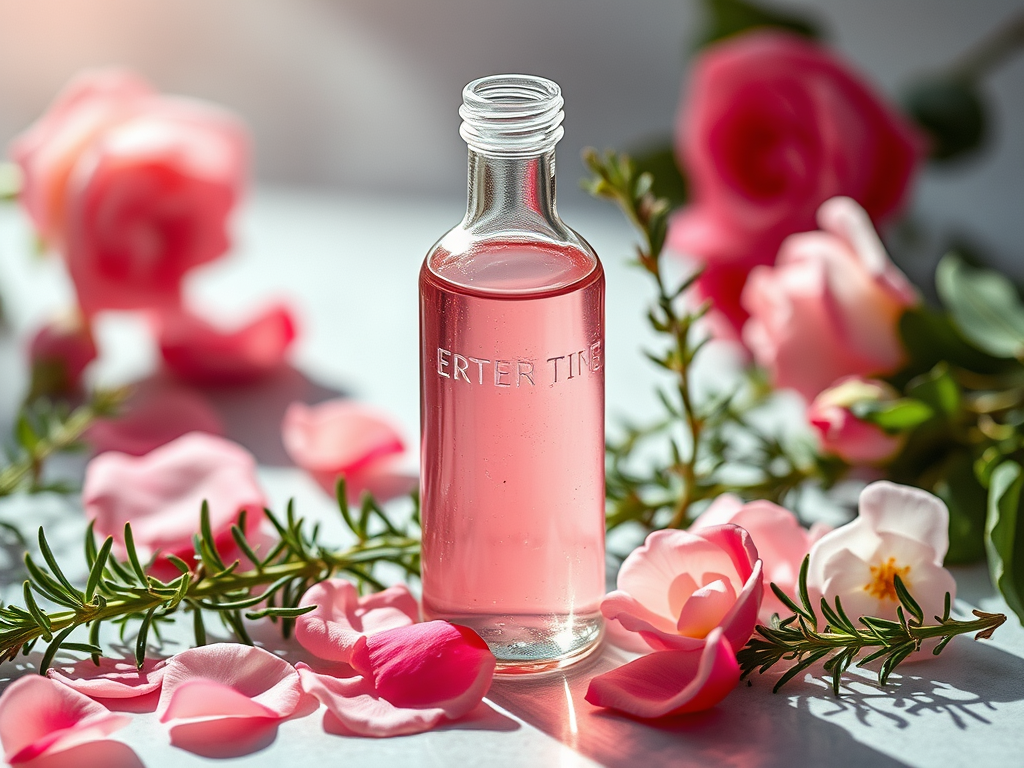
The global push toward minimalist, single-ingredient beauty has driven a massive surge in alternative, at-home skincare routines. Frequently, this stems from a well-founded consumer frustration with commercial products packed with synthetic fragrance allergens, denatured drying alcohols, or heavy filler surfactants. The urge to curate exactly what interacts with your skin is entirely valid.
However, from a cosmetic chemistry standpoint, treating your face like a kitchen mixing bowl carries severe biological consequences. Your skin is a living, breathing protective shield governed by a delicate acid mantle and structured cellular layers. Without the standardized stabilizing controls utilized in professional laboratories, unrefined recipes can quickly destabilize your epidermal integrity.
01. The Microbiological Hazard: The Preservation Deficit
The single greatest hazard associated with unformulated, water-based DIY solutions is the complete absence of a broad-spectrum cosmetic preservation system. Pure water combined with organic plant matter—such as boiled green tea leaves, raw aloe pulp, or cucumber extracts—creates an immediate incubation medium for rapid pathogenic contamination.
⚠️ Clinical Warning: The 72-Hour Proliferation Window
Without industrial broad-spectrum antimicrobials and stabilization assistance from chelating agents (such as Disodium EDTA), an unpreserved aqueous formula undergoes rapid microbial expansion within 48 to 72 hours. This toxic bacterial, mold, and yeast bloom occurs silently and invisibly, even when stored inside a dark refrigerator.
Applying an unpreserved, microbe-heavy liquid directly across your face poses significant physiological risks. Pathogenic organisms exploit microscopic micro-fissures in your stratum corneum, introducing a dramatically increased probability of secondary staphylococcal infections, contact dermatitis, or aggressive inflammatory acne cascades.
02. The pH Equation: Why Kitchen Formulas Disrupt the Acid Mantle
A healthy epidermal barrier maintains an acidic baseline environment, typically hovering between a pH range of 4.5 and 5.5. This natural acidity controls the enzymatic processes responsible for critical lipid synthesis and prevents pathogen colonization.
Because pH operates on a logarithmic scale, every single step down the numerical ladder represents a tenfold increase in structural intensity. This creates a dangerous margin of error for raw kitchen blends.
- Raw Apple Cider Vinegar possesses a highly volatile pH hovering near 3.0.
- Pure Concentrated Lemon Juice is exceptionally acidic, registering near a pH of 2.0.
Without industrial topical pH buffering agents (like Sodium Citrate) to permanently lock a formula into skin-identical ranges, crude home kitchen measurements lack stability. Accidental over-concentration strips away essential structural lipids, spikes transepidermal water loss (TEWL), and leaves the delicate lipid coat highly vulnerable to chemical burns and post-inflammatory hyperpigmentation (PIH).
03. Formulation Reality: DIY vs. Clinical Laboratory
To understand why professional lab formulations offer vastly superior skin protection, examine how variables diverge between raw kitchen blends and calibrated clinical toners:
| Formulation Variable | Raw Kitchen Blends (DIY) | Professional Clinical Toners |
|---|---|---|
| Preservation System | None. High risk of invisible mold and yeast colonies within 72 hours. | Broad-Spectrum. Multi-tiered stabilization ensures a safe shelf life for 12 to 24 months. |
| pH Stabilization | Volatile. Fluctuates wildly; prone to dropping into tissue-damaging acidic zones. | Buffered. Strictly locked between 5.0 and 5.5 using specific chemical neutralizers. |
| Barrier Synergy | Unpredictable. Frequently strips vital surface lipids, causing excessive TEWL. | Restoratively Synced. Formulated alongside skin-identical lipids to reinforce the barrier. |
04. The Safe Protocols: Clinical-Grade At-Home Guidelines
If you choose to experiment with minimalist toners at home, you must drop erratic raw food ingredients completely. Instead, follow strict, sterile cosmetic chemistry methodologies that respect your biological barrier.
Protocol A: Utilize Sterile, Pre-Distilled Skin Hydrosols
Never brew raw botanical teas or fresh juices in your kitchen. Instead, purchase single-ingredient, professionally steam-distilled botanical hydrosols (such as Pure Rose Water Hydrosol or Centella Asiatica Leaf Water) from vetted cosmetic raw ingredient suppliers. These solutions are industrially distilled, sealed, completely sterile, and balanced safely for facial use right out of the bottle.
Protocol B: The Pure Humectant Micro-Batch
If you want to create a highly safe, deeply hydrating minimalist skin mist to support your barrier, stick entirely to sterile, skin-identical humectants that bind moisture into the upper skin layers without shifting your natural pH levels.
The Calibrated Minimalist Humectant Blend
- 95% Pure Distilled Water (A completely sterile, mineral-free liquid base)
- 5% Pure Vegetable Glycerin (A clean, low-molecular-weight humectant)
Mandatory Execution Parameters: Mix the components inside a pre-sanitized, boiled glass dropper bottle. This unpreserved solution must be kept continuously sealed inside a dedicated skincare refrigerator at 4°C, and any remaining liquid must be completely discarded after exactly 72 hours to eliminate microbial proliferation risks.
“To help you safely navigate the boundaries of cosmetic chemistry at home, we have mapped out the core safety parameters every formulator must respect below.”
DIY toners lack broad-spectrum cosmetic preservation systems and complex chelating agents. Without these vital industrial stabilizers, mixing pure water with raw organic plant or botanical matter creates an immediate, highly fertile incubation medium for rapid pathogenic contamination within 48 to 72 hours.
No, raw apple cider vinegar maintains a highly volatile pH near 3.0. Without professional topical pH buffering agents to systematically lock the solution into a skin-identical range, daily application strips your acid mantle, destabilizes structural intercellular lipids, increases transepidermal water loss (TEWL), and risks triggering post-inflammatory hyperpigmentation (PIH).
05. Final Verdict: Protecting Your Skin Ecosystem
While exploring minimalist ingredients can be a fascinating educational look into raw materials, protecting the biological integrity of your stratum corneum should always come first. Treat at-home mixing as an exercise in ingredient awareness, but trust calibrated, shelf-stable lab formulations for your daily skincare routine.
Leave a Reply