Tag: dry skin

  • The Skin Recovery Playbook: How to Soothe and Heal Irritated Skin Safely

    The Skin Recovery Playbook: How to Soothe and Heal Irritated Skin Safely

    We have all been there: you try an aggressive new skincare active, spend a bit too much time in the sun, or over-exfoliate during your weekly routine, and suddenly your face is red, tight, and stinging. Irritated skin is not just a cosmetic annoyance—it is a clear biological distress signal. It means your skin’s protective lipid barrier has been compromised, leaving the delicate layers beneath exposed to environmental aggressors and moisture loss.

    When your skin is in a highly reactive state, doing too much will only worsen the inflammation. Healing an angry complexion requires a strategic, minimalist approach centered around cellular calming and deep barrier repair. By understanding how to properly hit the “reset button” on your routine, deploy targeted soothing ingredients, and patch up your protective moisture seal, you can restore your skin to a balanced, comfortable state without triggering further flare-ups.

    1. The Science: What Happens When Your Skin Barrier Breaks Down

    To fix an irritated complexion effectively, we have to look closely at the outermost layer of the epidermis: the stratum corneum.

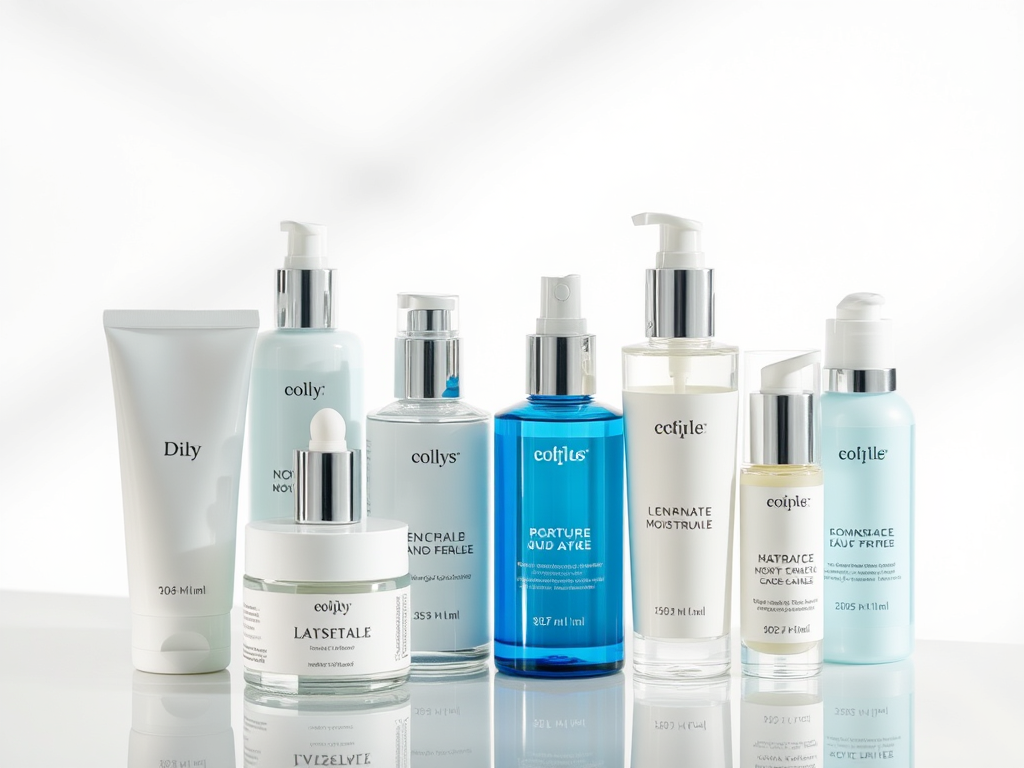
    Minimalist clinical beauty bottle of a soothing barrier repair cream on a clean backdrop under high key lighting

    The Moisture Barrier Shield: Healthy skin relies on a strict internal ratio of protective lipids to seal in vital hydration and lock out external irritants.

    Often described using a brick-and-mortar model, this cellular shield relies on a very specific biological composition to function. The “bricks” are your skin cells (corneocytes), and the “mortar” is an intercellular lipid matrix made up of a strict, healthy ratio of essential fats:

    50% Ceramides • 25% Cholesterol • 15% Free Fatty Acids

    When environmental stressors, over-cleansing, or aggressive active ingredients strip away these lipids, the mortar develops microscopic gaps. This structural breakdown triggers two immediate cellular events:

    • Trans-Epidermal Water Loss (TEWL): Without the lipid seal, deep hydration evaporates rapidly into the air, leaving cells deflated, tight, and prone to flaking.
    • Neurosensory Activation: The cracked surface allows external irritants to penetrate deep enough to come into direct contact with sensory nerve endings. This signals your immune system to release pro-inflammatory proteins (cytokines), resulting in immediate redness, heat, and stinging.

    2. At-A-Glance: The Best Ingredients for Calming Active Irritation

    When your skin barrier is compromised, your routine should shift away from altering skin behavior and focus entirely on structural support. Look for products featuring these clinically proven soothing compounds:

    Ingredient Base Technical INCI Name Target Mechanism Ideal Skin State
    Centella Asiatica (Cica) Madecassoside, Asiaticoside Down-regulates inflammatory pathways and accelerates cellular tissue repair. Hot, pulsing redness; chemical product burns; raw spots.
    Biomimetic Ceramides Ceramide NP, Ceramide AP, Ceramide EOP Physically replaces missing intercellular lipids to glue the cellular matrix back together. Chronic dry flaking; paper-like tightness; barrier thinning.
    Panthenol (Pro-Vitamin B5) Panthenol Acts as a powerful humectant to draw water into deeper layers while stabilizing the outer lipid shield. Intense stinging during product application; windburn.
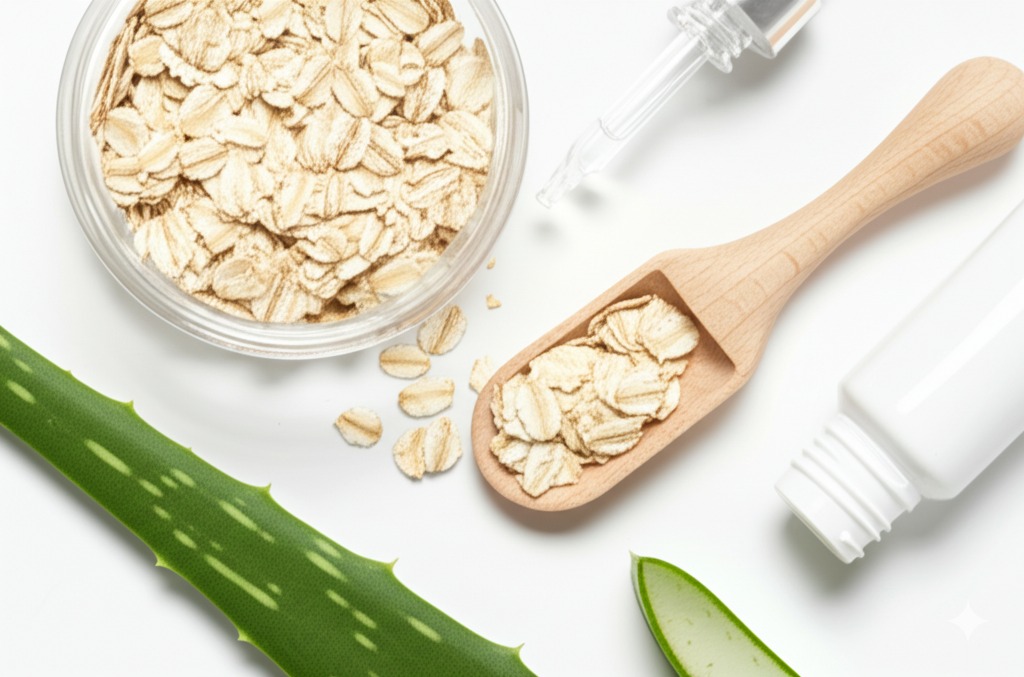
    Colloidal Oatmeal Avena Sativa Kernel Flour Forms a breathable, nutrient-dense physical coating that binds to the skin to block histamines. Persistent itching; dry eczema patches; reactive heat rashes.

    3. The 3-Step Emergency Protocol for Reactive Skin Flare-Ups

    If your skin starts burning or breaks out in raw, tight patches, you need to strip your routine back to the absolute basics immediately. Follow this simple, low-friction emergency protocol:

    1. Switch to a Non-Foaming, Cream Cleanser

    Standard foaming cleansers contain harsh surfactants that strip away your skin’s remaining protective oils. While your skin is healing, wash your face only once a day (in the evening) using lukewarm water and a gentle, non-foaming cream or milk cleanser. In the morning, skip the cleanser entirely and simply splash your face with cool water.

    2. Flood the Skin with a Calming Hydrator

    Apply a clean, fragrance-free soothing serum or essence containing Centella Asiatica, Panthenol, or Hyaluronic Acid to slightly damp skin. This immediately floods the parched cellular layers with water, calming hot sensory nerves and reducing that tight, paper-like feeling.

    3. Seal the Cracks with a Lipid-Rich Cream

    Follow your hydrator with a thick, nourishing moisturizer packed with ceramides or fatty acids. For extremely raw or peeling areas, apply a thin layer of a restorative balm or ointment over the top before bed. This acts as an artificial shield, holding moisture inside your skin so the tissue can repair itself overnight.

    4. What to Put on Hold: Ingredients to Avoid While Healing

    When trying to heal a damaged skin barrier, what you *don’t* put on your face is just as important as what you do. Lock these active ingredients in your cabinet until your skin feels completely normal:

    • Chemical Exfoliants (AHAs and BHAs): Glycolic, Lactic, and Salicylic acids are fantastic for regular skin brightening, but applying them to an open skin barrier will cause intense stinging and deepen cellular damage.
    • Pure Retinoids and Tretinoin: Retinoids accelerate cell turnover, which is an overwhelming demand for a barrier that is currently struggling to keep its basic structure together.
    • Synthetic Fragrances and Essential Oils: Volatile fragrance compounds (like lavender, menthol, or citrus oils) slip right past a cracked skin barrier, triggering localized inflammation and potential contact allergies.
    • Coarse Physical Scrubs: Manual scrubbing particles will physically rip open vulnerable skin cells, worsening redness and potentially spreading surface bacteria.

    5. Long-Term Defense: The Step-by-Step Actives Reintroduction Phase

    Reintroducing active ingredients in the wrong order or too quickly can instantly re-trigger barrier breakdown. Once your complexion is calm and comfortable, use this strict chronological sequence to integrate your treatment formulas safely:

    1. Step 1: Establish a Baseline Comfort Window (Duration: 7 Days)
      Before introducing any active treatment, ensure your skin can go a full week using only your basic cream cleanser, simple moisturizer, and mineral sunscreen with absolutely zero stinging, tightness, or lingering redness.
    2. Step 2: The Patch Test Protocol (Duration: 24–48 Hours)
      Select a single active product you want to bring back (e.g., your preferred niacinamide serum or a gentle retinoid). Apply a pea-sized amount to a small, hidden patch of skin on your lower jawline or upper neck. Monitor the zone for 48 hours to check for delayed inflammatory responses.
    3. Step 3: The Slow-Drip Integration Phase (Frequency: 2x Per Week)
      Apply the patch-tested active exactly twice a week (e.g., Monday and Thursday nights only) for two consecutive weeks. Always apply it over a thin layer of simple moisturizer first to slow down absorption speed and reduce potential intensity.
    4. Step 4: Evaluate and Step Up Frequency (Frequency: Alternate Nights)
      If your skin barrier remains completely comfortable after 14 days, increase application to every other night. Do not introduce a second active product until you have successfully used the first one at this frequency for an additional two weeks without irritation.

    6. Diagnostics: Is It Simple Irritation or an Allergic Reaction?

    It is crucial to accurately diagnose what kind of reaction your skin is experiencing so you can treat it correctly. Review this quick structural breakdown to determine your current status:

    • Standard Skin Irritation (Irritant Contact Dermatitis): This usually happens right where you applied a harsh product or exposed your skin to severe weather. The area feels tight, stings slightly when touched, looks pink or red, and may flake. It typically settles down within 48 to 72 hours of starting an emergency protocol.
    • An Allergic Reaction (Allergic Contact Dermatitis): This reaction involves your immune system and can spread beyond the area where you applied the product. It often presents as intense, persistent itching, raised hives, red bumps, or noticeable swelling around the eyes and lips. If you experience these symptoms, stop all products and consult a medical professional for guidance.

    7. FAQs: Safe Recovery Tips for Impaired Skin

    Q: How long does it take for a damaged skin barrier to fully heal?
    A: Expect a recovery window of roughly 2 to 4 weeks. While surface stinging can decrease within a few days of starting a minimalist routine, deep cellular repair takes time. Your skin’s natural renewal cycle takes about 28 days to build a complete array of new, structurally sound cells, so remain patient and consistent with your basic routine.

    Q: Can I still wear makeup while my skin is irritated?
    A: It is best to avoid heavy makeup if possible. When your barrier is cracked, makeup pigments and solvents can sink into the skin and cause further irritation. If you must wear makeup, choose lightweight, mineral-based formulas that are free from fragrances and alcohol, and remove them gently with a cream cleanser at night.

    Q: Why does even my basic, gentle moisturizer sting when my skin is angry?
    A: It is a normal reaction to wide-open moisture channels. When your lipid mortar is gone, the water content in your standard creams drops straight down onto exposed sensory nerve endings, causing a quick stinging sensation. If this happens, switch to a pure, waterless lipid balm or oil (like Jojoba Oil) for a day or two until the cracks begin to close.

    Q: Does drinking extra water help heal a damaged skin barrier?
    A: Internal hydration helps, but topical protection is key. Drinking water supports overall skin cell health, but it cannot fix a broken outer barrier. If your lipid mortar is damaged, any internal hydration you try to send to the surface will simply evaporate through the cracks. Focus on using topically applied lipids like ceramides to patch the leaks from the outside.

    Conclusion: Cultivating a Resilient Complexion

    Soothing irritated skin is all about practicing patience and stepping back to let your skin do what it does best: heal. By removing aggressive active treatments, swapping out foaming cleansers for nourishing milk formulas, and flooding your stratum corneum with biomimetic lipids like ceramides and cica, you provide your skin with the ideal environment to rebuild its protective walls. Treat your skin gently, keep your routine minimal, and always support your healing barrier with a protective layer of daily sunscreen.


    Want to build a balanced, daily routine that protects your skin barrier from day one? Learn how to structure your active ingredients safely by diving into our comprehensive playbook: The Ultimate Anti-Aging Skincare Routine: Step-by-Step Morning & Evening Protocol.

  • How to Maintain a Healthy Skin Barrier: 5 Daily Habits for Resilient Skin

    How to Maintain a Healthy Skin Barrier: 5 Daily Habits for Resilient Skin

    We are officially living in the era of the “Lipid Revolution.” For decades, the beauty industry pushed a “fat-free” narrative that taught us to fear oil, leading millions of people to aggressively strip their skin in search of clarity. We now know this was a biological mistake. Achieving a truly [refined complexion] is impossible without a healthy supply of plant-based lipids. Your skin doesn’t just “want” oil; it is structurally built from it.
    Whether you are battling an oily T-zone, searching for an anti-aging miracle, or trying to repair a damaged [healthy skin barrier], the right facial oil acts as the “Silent Protector.” By mimicking your natural sebum, these oils provide the final, essential seal that locks in your hydration and protects your skin cells from environmental stress. This guide is your definitive roadmap to the world of lipids, explaining the molecular science of how to choose and use the best non-comedogenic oils for your unique biology.

    1. The Cleansing Rule: Protecting the Acid Mantle Daily

    Every time you wash your face, you are performing a delicate biological balancing act. Washing is the moment when your [healthy skin barrier] is most vulnerable to damage. If you use the wrong product, you aren’t just removing dirt; you are “stripping the paint” off your house. You are dissolving the very lipids (Ceramides) that keep your skin waterproof and resilient. Maintaining a healthy barrier starts with respecting your skin’s natural chemistry during the first 60 seconds of your routine.

    The Acid Mantle Rule: Your skin is naturally slightly acidic, with an optimal pH of around 5.5. Most traditional soaps are alkaline (high pH), which causes the skin cells to swell and the barrier to “leak,” leading to immediate redness and skin irritation.

    The Surfactant Check: Look for “Sulfate-Free” on the label. For barrier maintenance, you need a gentle, pH-balanced cleanser that lifts debris without disturbing your natural moisture seal.

    The 60-Second Technique: Use The Art of Double Cleansing at night. By using a non-comedogenic oil first, you “melt” the day’s grime and SPF using chemistry rather than physical force, preventing friction damage.

    The Temperature Protocol: Only use lukewarm water. Hot water acts as a solvent that melts your barrier’s protective oils, while tepid water ensures a clean finish while keeping your Ceramides intact.

    2. Temperature & Texture: Avoiding Physical Barrier Stress

    Environmental factors can cause constant “Micro-Trauma” to your shield. Maintaining a healthy barrier requires controlling the physical environment your skin lives in.

    The Towel Rule: Stop rubbing your face dry. Friction creates microscopic tears in the skin barrier. Instead, gently pat your skin with a clean, soft microfiber towel to absorb moisture.

    Humidity Control: Dry indoor heating is a vacuum for skin moisture. During winter months, use a humidifier in your bedroom to stop the air from “stealing” water from your skin cells while you sleep.

    Thermal Defense: Protect your face from extreme wind and cold by using a rich, occlusive Argan Oil as a physical “weather-shield” when outdoors.

    3. The Actives Rule: Managing Potency Without Panic

    In the search for a [refined complexion], it is easy to fall into the “More is Better” trap. Your [healthy skin barrier] has a finite threshold for stress. If you bomb it with too many high-potency molecules, the barrier “panics,” leading to chronic redness, stinging, and [skin purging] that never ends. Achieving results is about the “rhythm,” not the dose.

    The Rotation Strategy: Never use your strongest Retinol and your strongest acid exfoliant on the same night. This creates a “Chemical Conflict” that dissolves your protective lipids.

    The Skin Cycling Protocol: The most effective way to maintain a strong barrier is to follow the Skin Cycling method. This 4-night schedule gives your skin cells 48 hours of rest, which is when collagen building happens.

    The Active Constant: Niacinamide is the only active that strengthens the barrier while it works. It signals your skin to produce its own natural Ceramides, keeping your shield reinforced even on active nights.

    The Barrier Alarm: If your skin stings when you apply a simple moisturizer, your barrier is “Alarmed.” Stop all actives immediately for 3 days and focus only on hydration layering until the stinging stops.

    4. The Sealing Habit: Preventing TEWL Every Evening

    Maintaining a barrier means stopping Transepidermal Water Loss (TEWL). Your evening routine should always end with a “Sealant” that acts as a 24-hour hydration lock.

    The Moisture Lock: After applying your moisturizer, press 2 drops of Squalane Oil into your face.

    The Squalane Advantage: Because Squalane is 100% bio-identical to your skin’s own lipids, it acts as a “breathable lid” that locks in your [Hyaluronic Acid] all night long without clogged pores.

    The Result: You wake up with skin that is plump and resilient, rather than tight and dehydrated.

    5. Internal Support: Hydration and Lipid Fuel

    Your barrier is built from the inside out. You must provide your body with the building blocks it needs to manufacture healthy lipids and high-quality sebum.

    Healthy Lipid Fuel: Diets rich in Omega-3 fatty acids (found in salmon and walnuts) help your body produce the Ceramides needed for a flexible, strong barrier.

    Internal Hydration: Drinking sufficient water ensures your skin cells remain plump, which provides better structural support for the barrier’s lipid mortar.

    Antioxidant Support: Internal Vitamin C and E support the external work of your serums, fighting free radicals from within.

    6. FAQs: Keeping Your Shield Strong

    Q: How do I know if my barrier is currently healthy?
    A: Look for “Quiet Skin.” Healthy skin doesn’t feel tight after washing, has a natural dewy glow without makeup, and doesn’t sting when you apply basic products.

    Q: Can I exfoliate every day?
    A: Generally, no. Even gentle acids can eventually wear down a healthy barrier if used daily. We recommend 2-3 times a week to maintain a refined complexion safely.

    Q: Does stress affect the skin barrier?
    A: Yes. High cortisol levels slow down the production of natural lipids. Maintaining your barrier often requires managing your sleep and stress levels.

    7. Conclusion: The Long-Term Reward of Resilience

    Maintaining a healthy skin barrier is a daily act of kindness that pays dividends in the form of a firm, radiant, and youthful complexion. By shifting your focus from “aggressive correction” to “strategic protection,” you effectively halt the cycle of dehydration and redness. The five habits outlined in this guide are the foundational rules that allow your skin to function at its highest biological potential.
    Protect your mortar, fuel your cells, and enjoy the lasting confidence of a complexion that is fundamentally healthy, radiantly resilient, and beautifully clear.
    Ready to Fortify Your Barrier for Good?

    The Maintenance Shop: Find the best pH-balanced cleansers and Ceramide creams for your skin type.
    👉 Shop The Best Barrier-Maintenance Essentials Now
    The Technical Guide: Still dealing with redness? Learn the exact protocol for fixing a broken shield.
    👉 The Skin Barrier: Your Ultimate Guide to Function and Repair
  • Unlock Glowing Skin: The Essential Benefits of Day Cream and How to Use It Like a Pro

    Unlock Glowing Skin: The Essential Benefits of Day Cream and How to Use It Like a Pro

    A jar of hydrating day cream on a bright background, symbolizing a fresh start to a morning skincare routine for radiant skin.
    A quality day cream is a non-negotiable cornerstone of your morning skincare ritual.

    In the relentless quest for a healthy, luminous complexion, your morning skincare routine acts as your first line of defense and beautification. While cleansers effectively purify and serums deliver potent targeted treatments, one product stands as a daily guardian and hydrator: the indispensable day cream. Far more than just a simple facial moisturizer, a well-chosen day cream is your skin’s steadfast ally, working diligently from sunrise to sunset to keep it looking and feeling its best.

    But what exactly elevates a day cream to essential status? And with a seemingly endless array of options, how do you pinpoint the best day cream tailored to your unique skin health requirements and concerns? Let’s embark on a comprehensive exploration into the world of daytime hydration, protection, and ultimate skin radiance.

    What Exactly is a Day Cream (And Why It’s Not Your Night Cream)?

    A day cream is a specialized moisturizer meticulously formulated for daytime application. Its core objectives are threefold:

    1. Hydration: To diligently replenish moisture lost during the night and sustain optimal skin hydration levels throughout the demands of the day.
    2. Protection: To act as a barrier, shielding your delicate skin from a barrage of environmental aggressors such as urban pollution, damaging UV rays (often through integrated SPF), and cell-disrupting free radicals.
    3. Primer: To create a smooth, even canvas, allowing for flawless makeup application and enhanced longevity.

    Unlike richer, more emollient night creams, which are engineered for intensive repair and cellular regeneration while you sleep, day creams typically boast:

    • Lighter textures: Ensuring comfortable wear, especially under makeup, and preventing any undesirable greasy or heavy sensation.
    • Rapid absorption: Allowing you to swiftly proceed with your makeup routine or confidently face the day without delay.
    • Protective fortifications: Enriched with ingredients like antioxidants and, frequently, a sun protection factor (SPF) to combat daily environmental stressors.

    Consider this analogy: your night cream is the dedicated overnight repair crew, while your day cream is the vigilant daytime security detail, focused on defense and maintaining the integrity of your skin barrier, keeping it strong, supple, and resilient.

    The Unbeatable Benefits of Integrating a Day Cream Daily

    Incorporating a suitable day cream into your AM routine is far more than a mere suggestion; it’s a fundamental pillar of proactive and intelligent skincare. Here’s a compelling breakdown of why:

    1. Deep, Sustained Hydration: Day creams deliver crucial moisture, visibly plumping skin cells, diminishing the appearance of fine lines and dehydration wrinkles, and imparting that coveted healthy, dewy glow. Superstar ingredients like hyaluronic acid and glycerin are renowned hydration powerhouses.
    2. Potent Environmental Shield: Many premium day creams are brimming with antioxidants (such as Vitamin C, Vitamin E, and Niacinamide). These potent compounds neutralize harmful free radicals generated by pollution and UV exposure, thereby preventing premature aging, photodamage, and maintaining overall skin vitality.
    3. Essential Sun Protection (Often Included): This is a significant advantage! A large number of day creams are formulated with broad-spectrum SPF (typically ranging from SPF 15 to SPF 50), offering a vital first line of defense against the sun’s damaging UVA and UVB rays – primary culprits in skin aging, sunspots, and increased skin cancer risk. However, for prolonged or intense sun exposure, layering a dedicated sunscreen product over your day cream is highly recommended.
    4. Creates a Flawless Canvas for Makeup: A well-hydrated, smooth, and prepped skin surface allows foundation, concealer, and other makeup products to glide on effortlessly, blend seamlessly, and adhere better for extended wear. Say goodbye to cakey or patchy makeup!
    5. Soothes, Calms, and Balances: Ingredients like aloe vera, chamomile, calendula, or ceramides can significantly help to soothe sensitive or irritated skin, reduce redness and inflammation, and promote a more balanced, even skin tone.
    6. Targets Specific Skin Concerns Proactively: Whether your primary concern is persistent dryness, excess oiliness and breakouts, visible signs of aging (like wrinkles and loss of firmness), or a lackluster, dull complexion, there’s a specialized day cream formulated to address your specific skin type and effectively tackle those concerns.
    7. Promotes Long-Term Skin Health: Consistent use helps maintain the skin’s natural barrier function, preventing trans-epidermal water loss (TEWL) and protecting against irritants, leading to healthier, more resilient skin over time.

    Choosing Your Perfect Day Cream Companion: A Buyer’s Guide

    Navigating the bustling skincare aisle, whether physical or virtual, can often feel overwhelming. Here’s your roadmap to finding the day cream that will make your skin truly sing:

    Identify Your Skin Type Accurately:

    • Dry Skin: Prioritize richer, creamier formulations packed with emollients like shea butter, jojoba oil, squalane, and skin-identical ceramides. Hyaluronic acid is also a non-negotiable for its exceptional moisture-binding capabilities.
    • Oily Skin: Opt for lightweight, oil-free, or non-comedogenic (formulated not to clog pores) lotions, fluids, or gel-creams. Ingredients such as salicylic acid, tea tree oil, or niacinamide can assist in regulating sebum production and minimizing shine.
    • Combination Skin: Look for a balancing lotion or light cream that adequately hydrates drier areas (like cheeks) without exacerbating oiliness in the T-zone (forehead, nose, and chin). Gel-creams or lightweight lotions often strike the right balance.
    • Sensitive Skin: Diligently choose fragrance-free, alcohol-free (specifically drying alcohols like SD alcohol or denatured alcohol), and hypoallergenic formulas. Seek out soothing and repairing ingredients like aloe vera, centella asiatica (cica), oat extract, or ceramides. Always patch test new products!
    • Mature Skin: Seek out day creams specifically formulated with anti-aging benefits. Key ingredients include peptides (to support collagen production), retinol (though often preferred for nighttime use, some day formulas contain gentler, encapsulated versions or bakuchiol as a natural alternative), potent antioxidants, and robust broad-spectrum SPF.
    • Normal Skin: You have more flexibility! Focus on maintaining hydration and protection. A lightweight lotion or cream with antioxidants and SPF should suffice.

    Key Ingredients to Look For (and Some to Be Wary Of):

    • Must-Have Hydrators (Humectants): (e.g., Hyaluronic Acid, Glycerin, Sodium PCA, Panthenol) – These ingredients draw moisture from the air and deeper skin layers to the surface.
    • Barrier Builders (Emollients & Occlusives): (e.g., Ceramides, Squalane, Fatty Acids, Shea Butter, Petrolatum in moderation for very dry skin) – These smooth, soften, and create a protective seal to prevent moisture loss, reinforcing the skin barrier.
    • Powerful Protectors (Antioxidants): (e.g., Vitamin C & E, Niacinamide, Ferulic Acid, Green Tea Extract, Resveratrol) – These neutralize free radicals and protect against environmental damage.
    • Essential Sun Defenders (SPF): Aim for broad-spectrum protection of at least SPF 30 for effective daily defense against damaging UV rays. Look for mineral (zinc oxide, titanium dioxide) or chemical filters, depending on your preference and skin sensitivity.
    • Consider Avoiding (Especially for Sensitive Skin):
      • Fragrance (Parfum): Synthetic fragrances are common irritants. Natural essential oils can also be sensitizing for some.
      • Drying Alcohols: Such as SD alcohol, denatured alcohol, isopropyl alcohol, which can strip the skin.
      • Harsh Sulfates: More common in cleansers, but can sometimes appear in other products.
      • Certain Preservatives: While necessary, some like formaldehyde-releasers can be problematic for sensitive individuals. Look for reputable brands that use safer preservative systems.

    Consider Your Climate, Lifestyle, and Personal Preferences:

    • Humid Climates: May call for ultra-light, gel-based, or fluid formulas that absorb quickly without feeling heavy.
    • Dry or Cold Climates: May necessitate richer, more emollient creams to combat environmental dryness and protect against harsh weather.
    • Active Lifestyles: If you sweat a lot or spend significant time outdoors, prioritize water-resistant formulas and a higher SPF, with reapplication as needed.
    • Texture Preference: Skincare should be enjoyable! Choose a texture (gel, lotion, cream, balm) that you love applying every day.
    A collage displaying different textures of day creams - gel, lotion, and rich cream - suitable for various skin types like oily, dry, and combination skin.
    The right day cream texture makes all the difference for your skin type and daily comfort.

    How to Apply Day Cream for Maximum Impact: The Right Technique

    Application isn’t just about slathering it on; technique matters for optimal absorption and benefits! Follow these simple steps:

    1. Cleanse Thoroughly: Begin with a gentle cleanser appropriate for your skin type to remove impurities, excess oil, and any leftover nighttime products.
    2. Tone (Optional): If you incorporate a toner into your routine, apply it after cleansing to balance pH and prep the skin.
    3. Serum Application (If Used): Apply your targeted treatment serum(s) – like Vitamin C or hyaluronic acid – and allow a minute or two for them to fully absorb.
    4. Dispense the Right Amount of Day Cream: Typically, a pea-sized to dime-sized amount is sufficient for the face and neck. Using too much can lead to pilling or a greasy feel.
    5. Warm and Distribute: Warm the cream slightly between your fingertips. This helps it spread more easily. Dot the cream onto your forehead, cheeks, nose, and chin.
    6. Gentle Massage Application: Gently massage the cream into your skin using upward and outward strokes. This technique aids absorption, stimulates circulation, and can provide a mini lymphatic drainage massage.
    7. Don’t Neglect the Neck and Décolletage: These often-forgotten areas are just as susceptible to dryness, sun damage, and signs of aging. Extend your application downwards.
    8. Allow for Full Absorption: Give your day cream at least 1-2 minutes to fully absorb into the skin before proceeding with sunscreen (if your day cream doesn’t contain adequate SPF, or if you require extra protection) and makeup application.

    Watch: The Correct Order to Apply Your Skincare Products for Best Results

    (Video example: Replace with a relevant, high-quality video demonstrating skincare application order.)

    Common Day Cream Mistakes to Avoid

    Even with the best intentions, a few common slip-ups can prevent you from reaping the full benefits of your day cream:

    • Using the Wrong Formula for Your Skin Type: A rich cream on oily skin can lead to breakouts, while a light gel might not be enough for dry skin. Accurate skin type assessment is key.
    • Applying to Dry Skin: Moisturizers, including day creams, work best when applied to slightly damp skin as this helps to lock in moisture. Consider applying after a hydrating toner or essence, or lightly misting your face.
    • Skipping SPF (or Relying Solely on Low SPF in Day Cream): If your day cream has less than SPF 30 or you’ll be outdoors for extended periods, you need a separate, dedicated sunscreen. The Skin Cancer Foundation emphasizes daily use.
    • Using Too Much or Too Little Product: Too little won’t provide adequate hydration or protection; too much can feel heavy, pill, or interfere with makeup.
    • Forgetting the Neck and Chest: These areas show signs of aging just like the face and need the same care.
    • Inconsistent Use: For best results, day cream needs to be applied every single morning as part of your consistent daily skincare regimen.
    • Not Giving it Time to Absorb: Rushing to apply makeup immediately can cause pilling and reduce the efficacy of both your day cream and foundation.

    Day Cream Layering: Getting It Right in Your Routine

    The general rule for skincare layering is to go from the thinnest consistency to the thickest. Here’s where your day cream typically fits:

    1. Cleanser
    2. Toner/Essence (Optional)
    3. Eye Cream
    4. Serums (e.g., Vitamin C, Hyaluronic Acid)
    5. Spot Treatments (If needed, allow to dry)
    6. Day Cream
    7. Facial Oil (Optional, can be mixed with day cream or applied over for very dry skin)
    8. Sunscreen (If your day cream is SPF 20 or less, or for extended sun exposure)
    9. Makeup Primer (Optional)
    10. Makeup

    Allow each layer a moment to absorb before applying the next for optimal performance.

    Day Cream vs. Moisturizer vs. Sunscreen: Clearing Up Any Confusion

    • Moisturizer: This is an umbrella term for any product designed to hydrate and moisturize the skin. It can include lotions, creams, gels, ointments, etc.
    • Day Cream: This is a specific type of moisturizer that is formulated for daytime use. It’s typically lighter than a night cream and often includes protective elements like antioxidants and SPF to combat daytime environmental stressors.
    • Sunscreen: This product’s primary and most crucial function is to protect your skin from the harmful effects of UV radiation (UVA and UVB rays). While many day creams contain SPF, a dedicated sunscreen product is often formulated for more robust, longer-lasting protection and is essential for adequate defense, particularly during prolonged or direct sun exposure. Even if your day cream has SPF, if you’re spending the day outdoors, reapplication of a dedicated sunscreen is key.

    Frequently Asked Questions (FAQs) About Day Cream

    1. Can I use my night cream during the day?

    While you technically can, it’s generally not recommended. Night creams are often richer, heavier, and may contain ingredients like retinol that can increase sun sensitivity. They also typically lack SPF. Day creams are formulated to be lighter for daytime wear and provide protection against daily aggressors.

    2. Do I still need sunscreen if my day cream has SPF?

    It depends. If your day cream has broad-spectrum SPF 30 or higher and you’re only getting incidental sun exposure (like a short walk to your car), it might be sufficient. However, for extended periods outdoors, or if your day cream has lower SPF, it’s crucial to apply a separate, dedicated sunscreen and reapply it regularly. Most people don’t apply enough day cream to get the full SPF protection stated on the label.

    3. How long does a jar of day cream typically last?

    This depends on the size of the product and how much you use. A standard 50ml (1.7 oz) jar, used once daily with a pea-to-dime-sized amount, can last anywhere from 2 to 4 months.

    4. Can day cream cause breakouts?

    If a day cream is too heavy for your skin type, contains comedogenic ingredients, or isn’t properly cleansed off at night, it can potentially contribute to breakouts. Choosing a “non-comedogenic” formula suited to your skin type, especially if you have oily or acne-prone skin, is important.

    5. At what age should I start using a day cream?

    It’s generally a good idea to start a basic skincare routine, including a light moisturizer and sun protection, in your early teens when hormonal changes can affect the skin. The specific type of day cream (e.g., anti-aging) can be adapted as your skin’s needs evolve over time.

    The Takeaway: Embrace and Maximize the Power of Your Day Cream

    A high-quality, well-suited day cream is far more than just a perfunctory, feel-good step in your daily skincare regimen; it represents a significant and proactive investment in your skin’s immediate comfort and its long-term health, resilience, and youthful radiance. By diligently understanding your skin’s specific needs, carefully selecting the right formulation with beneficial ingredients, and applying it correctly, you can ensure your complexion is optimally hydrated, robustly protected, and perfectly prepped to confidently face whatever challenges and opportunities the day may bring.

    So, make that well-deserved space on your bathroom shelf or vanity! Your transformative journey towards a consistently radiant complexion, a fortified and healthy skin barrier, and truly vibrant skin begins with the conscious choice and consistent application of the right day cream. Make it an indispensable part of your morning ritual – your future skin will thank you.


    Ready to Find Your Perfect Day Cream?

    Explore our top-rated day creams and find the ideal match for your skin type and concerns!

    Shop Day Creams Now

    Have More Skincare Questions?

    Dive deeper into skincare science and routines on our blog, or ask our experts in the comments below!

    Read More Skincare Tips

    Share your favorite day cream tips in the comments below!

  • Stop Guessing, Start Glowing: Determine Your Skin Type for Your Best Skin Ever

    Stop Guessing, Start Glowing: Determine Your Skin Type for Your Best Skin Ever

    Have you ever stared at a wall of skincare products, wondering which one is truly right for you? The secret to effective skincare isn’t about chasing trends or buying the most expensive serum; it’s about understanding the unique language of your own skin. And the first step in decoding that language? Accurately identifying your skin type.

    Many people misdiagnose their skin, leading to frustration, wasted money, and sometimes even worsened skin conditions. Using products ill-suited for your skin’s needs can trigger irritation, breakouts, excessive dryness, or an unwelcome shine. This ultimate guide will walk you through precise methods and detailed observations to help you confidently determine your true skin type, laying the groundwork for a skincare routine that truly works.

    Once you know your skin type, find your perfect cleanser match in our detailed guide!

    Table of Contents

    Why Accurate Skin Type Identification Matters

    Knowing your skin type isn’t just a marketing gimmick; it’s fundamental to achieving optimal skin health. Here’s why precision pays off:

    1. Targeted Treatment: Products are formulated for specific skin types. An oily skin cleanser might strip dry skin, while a rich cream for mature skin could clog pores on oily skin. Accurate identification ensures you’re applying ingredients that address your specific concerns.
    2. Preventing Issues: Misdiagnosis can create new problems. Treating dehydrated skin as dry, for example, might lead to heavy moisturizers that cause breakouts.
    3. Saving Time & Money: Stop the endless cycle of trial-and-error. When you understand your skin, you buy products that deliver results, cutting down on wasted expenditure.
    4. Optimizing Product Efficacy: Skincare works best when layered correctly. Understanding your skin type helps you build a routine where each product enhances the next.

    Beyond the Basics: Understanding Your Skin’s Nature

    Your skin type is primarily determined by genetics, but it’s also influenced by a complex interplay of factors like hormone levels, climate, diet, medication, and lifestyle. For instance:

    • Hormones: Fluctuations (e.g., during puberty, pregnancy, menstrual cycle, or stress) can increase oil production, making skin temporarily more oily or breakout-prone.
    • Climate: Dry, cold climates can exacerbate dryness and sensitivity, while humid conditions might increase oiliness.
    • Lifestyle: Diet, stress levels, sleep quality, and even sun exposure can impact your skin’s balance.

    Think of skin types not as rigid categories, but as a spectrum, with some individuals falling clearly into one and others sitting somewhere in between.

    Your skin’s condition (e.g., dehydrated, acne-prone, sensitive, mature) can also co-exist with any primary skin type. For instance, you can have oily and sensitive skin, or dry and acne-prone skin. It’s crucial to address both your fundamental skin type and any co-occurring concerns to build a truly effective routine.

    Key Methods for Identifying Your Skin Type

    While a quick glance might give you a hint, a more systematic approach offers greater accuracy. These methods help you observe your skin’s natural behavior without external influences.

    1. The Bare-Face Test (The Gold Standard)

    This is the most reliable at-home method, giving you insight into your skin’s true baseline.

    Steps:

    1. Cleanse Thoroughly: Wash your face with a gentle, pH-balanced cleanser. Avoid harsh, stripping formulas. Ensure all makeup, dirt, and oil are removed.
    2. Pat Dry: Gently pat your skin dry with a clean, soft towel. Do not rub, as friction can stimulate oil production or irritate sensitive skin.
    3. Wait & Observe: Leave your skin completely bare – no toner, serum, moisturizer, or makeup. Wait for 30 minutes to 2 hours. This allows your skin’s natural tendencies to emerge without product interference.
    4. Assess Your Skin: After the waiting period, carefully observe how your skin feels and looks across different areas.

    Interpretation:

    • Oily: Your entire face (forehead, nose, cheeks, chin) appears shiny and feels slick. Pores may look enlarged. You might notice residual oil on your fingertips if you touch your face.
    • Dry: Your skin feels tight, possibly itchy or flaky, especially around your cheeks, jawline, or forehead. It might look dull or show fine lines. You might feel a strong urge to apply moisturizer.
    • Combination: Your T-zone (forehead, nose, chin) appears shiny and feels oily, while your cheeks feel normal or dry. You might have larger pores in the T-zone and smaller pores elsewhere.
    • Normal: Your skin feels comfortable, neither tight nor oily. It looks healthy, supple, and radiant with small, barely visible pores. There’s no particular shine or dryness.
    • Sensitive: Regardless of oiliness or dryness, your skin might show signs of redness, blotchiness, irritation, or itching. It may feel reactive to temperature changes or even the act of cleansing. This is a skin condition that often accompanies other skin types.
    Person inspecting their face after cleansing, demonstrating the bare-face test
    The bare-face test is the most reliable way to understand your skin’s natural state.

    2. The Blotting Paper Test

    This method helps confirm oiliness levels and gives a visual representation of sebum production.

    Steps:

    1. Perform the Bare-Face Test as described above.
    2. After 30 minutes, gently press a piece of blotting paper onto different areas of your face: forehead, nose, cheeks, and chin.
    3. Hold each piece up to the light to see how much oil was absorbed.

    Interpretation:

    • Oily: The blotting paper from all areas will show significant oil absorption.
    • Dry: The blotting paper will show little to no oil.
    • Combination: The paper from your T-zone will show oil, while the paper from your cheeks will show little to none.
    • Normal: The paper might show minimal oil from the T-zone, but overall, it will be very light.
    • Sensitive: This test doesn’t directly identify sensitivity, but if the blotting paper itself causes irritation, it’s a sign.

    3. Observation Over Time & Environmental Factors

    Beyond immediate tests, pay attention to how your skin behaves throughout the day, month, and year. This holistic approach provides a complete picture.

    • Climate: Does your skin get drier in winter or oilier in summer?
    • Stress: Does stress trigger breakouts or increased oil production?
    • Hormones: Do you notice changes around your menstrual cycle (for women) or during periods of hormonal fluctuation?
    • Product Reactions: Does your skin react poorly to specific ingredients (fragrance, alcohol, certain active ingredients)?

    Keeping a simple skin journal for a week or two can provide valuable insights into your skin’s patterns and help you pinpoint triggers or recurring issues.

    Still Unsure? Take Our Quick Skin Quiz to Get Started!

    Detailed Breakdown of Each Skin Type

    Let’s dive deeper into what defines each type and its common challenges, helping you understand the ‘why’ behind your skin’s behavior.

    1. Oily Skin

    • Defining Characteristics: Overactive sebaceous glands, leading to excess sebum production. Constant shine, especially in the T-zone, enlarged and visible pores, frequent breakouts (blackheads, whiteheads, pimples), and a thicker skin texture. Makeup may slide off easily.
    • Common Challenges: Acne, blackheads, clogged pores, persistent shine, difficulty with makeup longevity.
    • Benefits: Tends to show fewer wrinkles and fine lines, as the natural oils keep the skin more hydrated and plump.

    2. Dry Skin

    • Defining Characteristics: Lack of sufficient natural oils (lipids) in the skin, leading to a compromised skin barrier. Feels tight, rough, flaky, or scaly. May appear dull, show more prominent fine lines, and be prone to redness and irritation. Pores are typically small and barely visible.
    • Common Challenges: Itchiness, sensitivity, flakiness, increased susceptibility to environmental damage, premature aging signs.
    • Benefits: Usually has a smooth, matte appearance without visible pores.

    3. Combination Skin

    • Defining Characteristics: A mix of two or more skin types on the face. Typically, an oily T-zone (forehead, nose, chin) with larger pores and occasional breakouts (T-zone congestion), and normal to dry cheeks (dry patches).
    • Common Challenges: Managing different needs in various areas can be tricky, requiring a balanced approach to skincare that addresses both oiliness and dryness.
    • Benefits: Often has balanced areas that are easy to maintain, providing flexibility in product choice.

    4. Normal Skin

    • Defining Characteristics: Well-balanced, neither excessively oily nor dry. Soft, smooth texture, even tone, healthy glow, and barely visible pores. Feels comfortable throughout the day.
    • Common Challenges: Even normal skin can experience occasional minor issues or changes due to external factors, requiring consistent, gentle care focused on maintenance and prevention.
    • Benefits: Easy to care for, resilient, and rarely reacts negatively to products.
    Collage of diverse skin types showing different characteristics and complexions
    Each skin type has unique qualities and needs for optimal care.

    5. Sensitive Skin

    • Defining Characteristics: A heightened reaction to various triggers (ingredients, temperature, friction, stress). Prone to redness, itching, burning, stinging, tightness, and breakouts. Often accompanied by other skin types (e.g., dry and sensitive, oily and sensitive). Learn more about the causes of sensitivity from a dermatologist at AAD.org.
    • Common Challenges: Finding suitable products, managing flare-ups, identifying specific triggers, and a tendency to react to new products or environmental changes.
    • Benefits: When treated gently and consistently with appropriate products, sensitive skin can be quite radiant and healthy.

    Video: “How to know your skin type – and why it matters!” by Dr. Shereene Idriss (example).

    Common Mistakes & Myths in Skin Type Self-Diagnosis

    Even with the best tests, it’s easy to fall into common traps or believe widely circulated myths about skin. Correcting these can make a huge difference:

    • Mistake: Dehydrated vs. Dry Skin: Dehydrated skin lacks water (can affect *any* skin type, even oily), feeling tight and perhaps looking dull. Dry skin *lacks oil*. If your skin feels tight but looks shiny or breaks out, it’s likely dehydrated, not dry. You can have oily, dehydrated skin!
    • Myth: Oily Skin Doesn’t Need Moisturizer: This is one of the biggest myths! Stripping oily skin can lead to rebound oil production as your skin tries to compensate. All skin types need hydration, but oily skin needs lighter, non-comedogenic formulas.
    • Mistake: Product-Induced Changes are Your True Type: If your skin suddenly becomes very oily or dry, check your current skincare products. Harsh cleansers can cause rebound oiliness, while heavy creams can trigger breakouts on normal skin.
    • Myth: Acne Always Means Oily Skin: While common with oily skin, acne can affect any skin type due to hormones, stress, inflammation, or clogged pores, regardless of oil production.
    • Mistake: Confusing Temporary Conditions with Permanent Type: Your skin might behave differently in humid summers vs. dry winters, or during hormonal shifts. These are temporary conditions, not a permanent change in your core skin type.

    Essential Skincare Terminology

    As you navigate the world of skincare, understanding key terms will empower your choices:

    • Sebum: The natural oil produced by your sebaceous glands that lubricates and protects the skin. Excess sebum contributes to oily skin.
    • Skin Barrier (Moisture Barrier): The outermost layer of your skin that protects against environmental damage and prevents water loss. A compromised barrier can lead to dryness, sensitivity, and irritation.
    • pH: A measure of acidity or alkalinity. Skin’s natural pH is slightly acidic (around 5.5). pH-balanced products help maintain barrier health.
    • Humectant: An ingredient that attracts and retains moisture in the skin (e.g., Hyaluronic Acid, Glycerin).
    • Emollient: An ingredient that softens and smooths the skin by filling in gaps between skin cells, reducing water loss (e.g., Ceramides, Squalane).
    • Non-Comedogenic: A product formulation that is less likely to clog pores, often preferred for oily and acne-prone skin.

    For an even deeper dive into specific ingredients and what they do, read our article: Demystifying Cleanser Ingredients: What’s In Your Bottle?

    When to Consult a Professional

    If you’re still unsure about your skin type after trying these methods, or if you have persistent skin concerns like severe acne, rosacea, eczema, or chronic sensitivity, a dermatologist can provide an accurate assessment. They can use specialized tools (like a Wood’s lamp) and offer personalized advice and medical treatments. Finding a board-certified dermatologist is key; you can search for one via the American Academy of Dermatology’s directory.

    Frequently Asked Questions (FAQs)

    Here are some common questions people have about identifying their skin type:

    Q: Can my skin type change over time?

    A: Yes, while genetics determine your predisposed skin type, factors like age, hormones, climate, stress, and lifestyle can influence how your skin behaves, causing it to become temporarily oilier, drier, or more sensitive. It’s good to re-evaluate your skin type periodically.

    Q: What’s the difference between dry skin and dehydrated skin?

    A: This is a crucial distinction. Dry skin *lacks oil* (lipids) and is a skin type, feeling rough, flaky, or tight due to insufficient natural oils. Dehydrated skin *lacks water* and is a skin condition that can affect any skin type (even oily skin). It often feels tight, looks dull, and may show fine lines, but might still produce oil. You can be both dry and dehydrated, or oily and dehydrated!

    Q: Do I need to re-test my skin type regularly?

    A: It’s recommended to do a quick re-assessment (like the bare-face test) seasonally or at least once a year, or whenever you notice significant changes in your skin’s behavior (e.g., persistent breakouts, unexpected dryness, or increased sensitivity). This helps ensure your routine remains optimized for your current needs.

    Q: Can I have more than one skin type at once?

    A: You typically have *one* primary skin type (e.g., oily, dry, normal, combination). However, you can also experience various *skin conditions* simultaneously (e.g., sensitivity, acne, dehydration, mature skin concerns), regardless of your primary type. For example, you can have oily *and* sensitive skin, or dry *and* acne-prone skin.

    Q: Are there professional ways to test my skin type more accurately?

    A: Yes, dermatologists or trained estheticians can use specialized tools (like a Wood’s lamp to detect bacteria/oil, or hydration/sebum analysis devices) to assess hydration levels, oil production, and underlying skin conditions, providing a more precise diagnosis than at-home tests.

    The Bottom Line: Listen to Your Skin

    Identifying your skin type accurately is the cornerstone of effective skincare. It empowers you to make informed decisions, choose products that truly nurture your complexion, and build a routine that yields visible, lasting results. Remember, your skin is dynamic; it evolves with age, seasons, and lifestyle. Re-evaluate your skin type periodically (e.g., with seasonal changes or every few years) and adjust your routine as needed to maintain optimal skin health.

    Ready to find your perfect cleanser? Explore our in-depth guide!

    Shop Our Cleansers by Skin Type

  • Unlock Your Radiance: The Ultimate Guide to Korean Skincare for Glass Skin

    Unlock Your Radiance: The Ultimate Guide to Korean Skincare for Glass Skin

    A radiant woman with clear, glowing glass skin, surrounded by aesthetic Korean skincare products.
    Achieve the coveted ‘glass skin’ glow with a dedicated Korean skincare routine.

    Are you tired of confusing skincare routines that promise the world but deliver little? Do you dream of that coveted, luminous “glass skin” complexion? Look no further than the world of Korean skincare – a beauty phenomenon rooted in innovation, ancient wisdom, and a holistic approach to skin health.

    Far more than just a trend, K-beauty has revolutionized the global skincare landscape, emphasizing prevention, hydration, and a gentle, layered approach. This comprehensive guide serves as your ultimate starting point, demystifying Korean skincare routines, highlighting the best Korean skincare ingredients, and empowering you to achieve your most radiant, healthy skin yet. Throughout this guide, we’ll point you to more in-depth explorations on specific topics, helping you dive deeper into the world of K-beauty.

    What Makes Korean Skincare Different? The Philosophy Behind the Glow

    Unlike Western skincare, which often focuses on correcting existing issues with harsh treatments, Korean skincare champions a preventative, nurturing philosophy. It’s about building a strong, healthy skin barrier, maintaining optimal hydration, and addressing concerns gently over time.

    Key tenets of K-beauty include:

    Demystifying the Korean Skincare Routine: Your Path to Radiant Skin

    While the famous “10-step Korean skincare routine” can sound intimidating, it’s more of a guideline than a strict rule. Think of it as a comprehensive menu from which you choose what your skin needs. Many daily routines involve 5-7 steps, with others incorporated as needed. Uncover the truth about the 10-step routine and how to customize it for you.

    Infographic illustrating the typical steps in a Korean skincare routine.
    A visual guide to the core Korean skincare steps.

    Here’s a breakdown of the core steps and their purpose:

    1. Oil-Based Cleanser: The first step in double cleansing, an essential K-beauty practice. This dissolves oil-based impurities like makeup, sunscreen, and excess sebum without stripping your skin.
    2. Water-Based Cleanser: Follows the oil cleanser to remove water-based impurities like sweat, dirt, and pollution. Leaves your skin feeling thoroughly clean and fresh. Find the best water-based cleanser for your skin type.
      • LSI Keywords: facial cleanser, gentle cleansing, deep clean.
    3. Toner: Not the harsh, alcohol-laden toners of the past! Korean toners are hydrating liquids that balance your skin’s pH balance after cleansing, preparing it to better absorb subsequent products. Explore our top Korean toner recommendations.
      • LSI Keywords: pH balance, hydration prep, skin softening.
    4. Essence: Often called the “heart of Korean skincare,” essences are lightweight, concentrated liquids that deliver a burst of hydration and active ingredients deep into the skin, aiding cellular turnover and overall skin health. Learn why essences are a K-beauty must-have.
      • LSI Keywords: hydrating essence, skin vitality, lightweight hydration.
    5. Serum/Ampoule: Highly concentrated treatments designed to target specific skin concerns like anti-aging, acne treatment, brightening dull skin, or reducing fine lines. Ampoules are even more potent, used for intensive treatment periods. Discover how to pick the perfect Korean serum.
      • LSI Keywords: targeted treatment, skin concerns, collagen boosting, dark spot correction.
    6. Sheet Mask (2-3 times a week): A beloved K-beauty ritual! These single-use masks soaked in potent serum provide an intense boost of hydration and nutrients. They are excellent for deep hydration and a quick glow. Master the art of sheet masking for maximum benefits.
      • LSI Keywords: intense hydration, skin booster, relaxing ritual.
    7. Eye Cream: The delicate skin around your eyes requires specialized care. Eye cream targets fine lines, dark circles, and puffiness. Find the ideal Korean eye cream for youthful-looking eyes.
      • LSI Keywords: under-eye care, anti-wrinkle, youthful eyes.
    8. Moisturizer: The crucial step to seal in all the previous layers of hydration and active ingredients. It helps create a healthy skin barrier and prevents moisture loss. Browse our guide to choosing the best Korean moisturizer.
      • LSI Keywords: skin barrier, skin hydration, face cream, nourishing moisturizer.
    9. Sun Protection (AM Routine): Non-negotiable! SPF is the ultimate anti-aging product and vital for preventing sun damage, hyperpigmentation, and skin cancer. Korean sunscreens are known for their elegant, non-greasy formulas. Explore the best Korean sunscreens for daily wear.
      • LSI Keywords: sunscreen, UV protection, skin damage prevention, daily SPF.

    Powerhouse Korean Skincare Ingredients to Look For:

    K-beauty is renowned for innovative use of both traditional and cutting-edge ingredients:

    The Transformative Benefits of Embracing Korean Skincare:

    Adopting a Korean skincare routine can lead to remarkable improvements in your complexion:

    Starting Your K-Beauty Journey: Tips for Success

    Ready to dive in? Here are some essential tips:

    • Start Slow: You don’t need to buy 10 products at once. Begin with the core steps (double cleanse, toner, moisturizer, SPF) and gradually introduce others based on your needs.
    • Patch Test: Always test new products on a small area of skin (e.g., behind your ear or inner arm) before applying all over your face to check for reactions. Learn the proper way to patch test.
    • Listen to Your Skin: Your skin’s needs change. Some days it might crave more hydration, others a targeted treatment. Adjust your routine accordingly.
    • Consistency is Key: Skincare is a marathon, not a sprint. Stick with your routine for at least 4-6 weeks to see noticeable results.
    • Research: Read reviews, watch videos, and learn about products that align with your skin type (e.g., Korean skincare for oily skin, dry skin, sensitive skin, acne-prone skin).
    Watch this video to see a complete K-beauty routine in action. (Replace `your_kbeauty_routine_video_id` with an actual YouTube video ID)

    Conclusion: Your Radiant Future Awaits!

    Korean skincare is more than just a set of products; it’s a philosophy of self-care and a commitment to healthy, radiant skin. By understanding its principles, embracing the layered approach, and choosing the right products for your skin concerns, you too can unlock the secrets to a complexion that truly glows.

    Embark on your K-beauty journey today and discover the transformative power of Korean skincare – your path to glass skin and lasting radiance. Don’t stop here! Use this guide as your launchpad and continue your exploration by diving into our more specific articles linked throughout, tailoring your K-beauty knowledge to perfection.

    Continue Your K-Beauty Journey: Dive Deeper!

    Ready to explore specific aspects of Korean skincare in more detail? Check out these related guides:

    Frequently Asked Questions about Korean Skincare:

    Q1: Is the 10-step routine really necessary?
    A1: Not necessarily! It’s a comprehensive framework. Most people do 5-7 steps daily, incorporating others like sheet masks or exfoliating treatments a few times a week. The key is customization based on your skin type and needs. Read more about simplifying the 10-step routine.
    Q2: Is Korean skincare suitable for all skin types?
    A2: Absolutely! K-beauty offers an incredibly diverse range of products for every skin type – from oily skin to dry skin, sensitive skin, combination skin, and acne-prone skin. The focus on gentle ingredients and hydration benefits everyone.
    Q3: How long until I see results from a Korean skincare routine?
    A3: While some immediate effects like improved hydration and radiance can be seen quickly, significant improvements in skin texture, tone, and addressing specific skin concerns typically take 4-6 weeks of consistent use.
    Q4: Where can I buy authentic Korean skincare products?
    A4: Many online retailers specialize in K-beauty products (e.g., YesStyle, Stylevana, Soko Glam, Olive Young Global). You can also find them at some major beauty retailers and department stores. Always check for authorized sellers. See our full guide on reputable K-beauty retailers.
  • Finding the Perfect Hydrating Moisturizer: A Guide for All Skin Types

    Finding the Perfect Hydrating Moisturizer: A Guide for All Skin Types

    It’s the cornerstone of every skincare routine, the comforting embrace after cleansing, and the final seal for all your precious serums. We’re talking about **moisturizer**. But with a dizzying array of lotions, creams, gels, and balms promising everything from “intense hydration” to “matte finish,” how do you cut through the noise and find the **perfect hydrating moisturizer** for *your* unique skin? It’s a common dilemma that can leave your complexion feeling less than its best.

    The right moisturizer is essential for more than just surface comfort; it’s vital for maintaining your **skin barrier health**, preventing **transepidermal water loss (TEWL)**, and ensuring **lasting hydration**. Whether you battle persistent dryness, unexpected dehydration, or manage the complexities of oily, acne-prone, or **sensitive skin**, this guide is your roadmap to selecting the ideal formula that delivers profound **moisture retention** and unlocks your natural, radiant **dewy glow**.

    This comprehensive guide will demystify the science of moisturizers, break down their key components, help you understand what your specific **skin type** needs, and equip you with the knowledge to make an informed choice for ultimate **skin health**.

    A variety of hydrating moisturizers for different skin types, emphasizing choice and personalized skincare.
    Discovering your perfect hydrating moisturizer is key to healthy, radiant skin.

    What Exactly is a Moisturizer? Why It’s Crucial for Skin Health

    At its core, a **moisturizer** is a cosmetic formulation designed to maintain and restore the skin’s moisture content, providing an **occlusive barrier** that helps prevent **transepidermal water loss (TEWL)**. It’s the essential final step in most **skincare routines** because it:

    • **Seals in Hydration:** Locks in all the beneficial serums and treatments applied underneath.
    • **Supports Skin Barrier:** Provides essential lipids and protective layers to reinforce your **skin barrier integrity**.
    • **Protects Skin:** Acts as a physical shield against environmental aggressors.
    • **Softens & Smooths:** Improves **skin texture** and **skin suppleness**, reducing dryness and roughness.

    Understanding its role in preventing **TEWL** is key. For more on this, see: What is TEWL? Understanding Transepidermal Water Loss and How to Prevent It. For a broader view on overall skin hydration, explore our pillar post: The Ultimate Guide to Hydrate Skin: Achieving a Lasting, Dewy Glow.

    The Key Components of a Hydrating Moisturizer: The Triple Threat

    The most effective **hydrating moisturizers** don’t just add a single ingredient; they strategically combine three categories of ingredients that work synergistically:

    1. Humectants: The Water Magnets

    • **Function:** These **water-binding ingredients** actively attract water from the environment and deeper skin layers, drawing it into the epidermis. They are crucial for true **deep skin hydration**.
    • **Key Ingredients:** **Hyaluronic Acid (HA)**, **Glycerin**, Urea, Sodium PCA, Lactic Acid (at low conc.), Betaine, Amino Acids.
    • **How they work:** They act like sponges, plumping up skin cells and providing a reservoir of moisture.

    For a detailed exploration of these water-binding powerhouses: Humectants Beyond Hyaluronic Acid: Exploring Glycerin, Urea, Sodium PCA, and More.

    2. Emollients: The Smoothers & Softeners

    • **Function:** These smooth, soften, and condition the skin, filling in the microscopic gaps between skin cells. They help restore the skin’s surface and improve its texture.
    • **Key Ingredients:** **Ceramides**, Fatty Acids, Cholesterol, Squalane oil, Jojoba oil, Shea Butter, Coconut Oil (use with caution for acne-prone skin), plant oils (Sunflower, Safflower).
    • **How they work:** They mimic natural skin lipids, creating a soft, supple feel and helping to repair the **skin moisture barrier**.

    For more on the building blocks of your barrier: The Role of Fatty Acids & Cholesterol in Skin Barrier Health (Beyond Ceramides).

    3. Occlusives: The Moisture Sealers

    • **Function:** These form a physical barrier on the skin’s surface, creating a protective film that traps moisture underneath and prevents **transepidermal water loss (TEWL)**.
    • **Key Ingredients:** Petrolatum (Vaseline), Mineral Oil, Lanolin, Dimethicone, Zinc Oxide, Titanium Dioxide, waxes (beeswax), thicker plant oils.
    • **How they work:** They provide a physical seal, ensuring all the humectants and emollients stay put and perform their best for **moisture retention**.
    Infographic illustrating humectants, emollients, and occlusives working together in a moisturizer for skin hydration.
    The best moisturizers combine humectants, emollients, and occlusives for comprehensive hydration.

    Choosing by Skin Type: Your Personalized Moisturizer Guide

    The “perfect” moisturizer isn’t one-size-fits-all. It’s about matching the formulation to your specific **skin type** and its needs:

    For Dry Skin: Rich & Nourishing

    • **Needs:** High levels of emollients to provide lipids (oils) that dry skin lacks, and strong occlusives to prevent **TEWL**.
    • **Look for:** Rich creams or balms. Key ingredients include **ceramides**, **fatty acids**, **cholesterol**, shea butter, Squalane oil, petrolatum, mineral oil, and plenty of **Glycerin** or **Hyaluronic Acid**.
    • **Why:** These provide intensive **dry skin relief** by rebuilding the lipid barrier and deeply nourishing the skin.

    Shop Best Ceramide Moisturizers for Dry Skin

    For Oily & Acne-Prone Skin: Lightweight & Balancing

    • **Needs:** Hydration without clogging pores or feeling greasy. Formulas that help regulate **sebum production**.
    • **Look for:** Lightweight lotions, gel-creams, or fluid moisturizers labeled **”non-comedogenic”** and “oil-free.” Ingredients like **Glycerin**, **Hyaluronic Acid**, **Squalane oil**, and **Niacinamide** are excellent.
    • **Why:** These provide essential **skin hydration** without contributing to excess oil or breakouts. Niacinamide and Squalane can actually help balance **oily skin relief**.

    Shop Squalane for Acne-Prone Skin

    For Combination Skin: Versatile & Zone-Specific

    • **Needs:** A moisturizer that balances hydration – hydrating dry areas without making oily areas greasier.
    • **Look for:** Medium-weight lotions or gel-creams that absorb well. Many formulations with a balance of humectants and lighter emollients work well. You might even use different moisturizers for different zones (e.g., lighter gel on T-zone, richer cream on cheeks).
    • **Why:** Provides tailored hydration, addressing the varied needs across your face.

    For Sensitive & Reactive Skin: Gentle & Soothing

    • **Needs:** Minimal ingredients, **fragrance-free**, dye-free formulas that focus on **skin barrier repair** and calming.
    • **Look for:** Products labeled “hypoallergenic” and “dermatologist-tested for sensitive skin.” Key ingredients include **Glycerin**, **Hyaluronic Acid**, **ceramides**, colloidal oatmeal, panthenol, and **Niacinamide** for **redness reduction**.
    • **Why:** These formulations reduce the risk of irritation and actively work to soothe and strengthen a **compromised skin barrier**. (See: Glycerin for Sensitive Skin: Soothing Benefits).

    For Aging Skin: Restorative & Plumping

    • **Needs:** Richer formulas that combat age-related dryness and provide ingredients for **skin elasticity** and **fine lines and wrinkles**.
    • **Look for:** Moisturizers with a strong lipid profile (**ceramides**, fatty acids, cholesterol), potent humectants, and additional anti-aging ingredients like peptides, antioxidants (**Vitamin C**), and **Niacinamide**.
    • **Why:** Addresses age-related **skin dehydration**, loss of lipids, and supports collagen.
    A selection of moisturizers categorized by skin type: dry, oily, sensitive, aging, highlighting their textures and ingredients.
    Tailor your moisturizer choice to your unique skin type for optimal results.

    Other Factors to Consider When Choosing

    • **Climate & Season:** Your skin needs can change. A lighter lotion might suffice in humid summers, while a richer cream is essential for dry winters.
    • **Complementary Ingredients:** Look for moisturizers that include other beneficial ingredients like **Niacinamide** for **sebum regulation** or **hyperpigmentation**, or antioxidants for environmental protection. (See: Comparing Barrier Boosters: Ceramides vs. HA vs. Niacinamide).
    • **SPF (for daytime):** While a separate SPF is recommended, many daytime moisturizers include SPF, which can be convenient for basic daily protection. However, always ensure it’s a broad-spectrum SPF 30+.
    • **Packaging:** Jars can expose ingredients to air and light, potentially degrading some active ingredients over time. Tubes and pump bottles are generally more hygienic and preserve product stability.

    Explore All Hydrating Moisturizers

    How to Apply Your Hydrating Moisturizer for Maximum Benefit

    Even the **perfect hydrating moisturizer** needs proper application to work its magic:

    1. **To Damp Skin:** Apply your moisturizer immediately after applying serums, while your skin is still slightly damp. This helps to lock in hydration and ensures humectants have water to bind to.
    2. **Layer Correctly:** Moisturizer is typically the final step before SPF (in the morning) or a facial oil (at night). Apply it after your thinner serums. For a complete guide on **skincare routine order**, see: Skincare Layering: The Right Routine Order for Maximum Hydration & Skin Health.
    3. **Use Enough:** Don’t skimp. Apply a generous, even layer to your face and neck.
    4. **Pat, Don’t Rub:** Gently press or pat the moisturizer into your skin for optimal absorption and to avoid pulling.
    5. **Consistency:** Use both morning and night for continuous **moisture retention** and **skin barrier support**.

    Watch: A dermatologist guides you through choosing and applying the right moisturizer. (Replace with actual video title)

    FAQs: Hydrating Moisturizers

    Q1: Can an oily skin type skip moisturizer?

    A: No! **Oily skin** still needs **skin hydration**. Skipping moisturizer can paradoxically lead to increased **sebum production** as your skin tries to compensate for perceived dryness, potentially worsening breakouts. Choose a **lightweight, non-comedogenic** moisturizer that balances hydration without adding greasiness.

    Q2: How much moisturizer should I use?

    A: Generally, a pea-sized amount for lotions, or a nickel-sized amount for creams, is a good starting point for the face and neck. Adjust based on your skin’s needs – if it still feels tight or dry, apply a bit more. The goal is comfortable coverage without feeling sticky or heavy.

    Q3: What’s the difference between a moisturizer and a hydrating serum?

    A: A **hydrating serum** (often rich in **humectants** like **Hyaluronic Acid**) is primarily designed to *add water* to the skin. A **moisturizer** is formulated to *seal in that water* (with occlusives) and provide nourishing emollients. They work best together: serum *hydrates*, moisturizer *moisturizes and locks it in*.

    Q4: My skin feels tight after cleansing, even with a hydrating cleanser. What should I do?

    A: This is a **sign of a damaged skin barrier** or significant dehydration. Ensure your water isn’t too hot. Immediately apply a **barrier-repairing moisturizer** rich in **ceramides**, fatty acids, and cholesterol. If it persists, simplify your routine to just a gentle cleanser, this moisturizer, and SPF, avoiding all actives until your skin recovers. (See: Simple Skincare Routine for a Compromised Skin Barrier).

    Q5: Is it safe to use moisturizers with active ingredients like Retinol or Vitamin C?

    A: Yes! Many moisturizers are formulated with active ingredients for convenience. This can be a gentle way to introduce actives. However, if you’re using separate, more potent active serums (like a dedicated **Retinoid** serum), apply them before your moisturizer to ensure maximum efficacy, then use your moisturizer to seal them in and provide hydration.

    A person with clear, radiant, and deeply hydrated skin, showcasing the benefits of the perfect moisturizer.
    Achieve a clear, radiant, and deeply hydrated complexion with the perfect moisturizer.

    Conclusion: Your Journey to Perfectly Hydrated Skin

    **Finding the perfect hydrating moisturizer** is a transformative step in your skincare journey. By understanding the vital roles of **humectants**, **emollients**, and **occlusives**, and by thoughtfully selecting a formula tailored to your specific **skin type** and concerns, you empower your skin to achieve optimal **moisture retention** and **skin barrier health**.

    Embrace this essential step morning and night. Provide your skin with the consistent nourishment and protection it craves, and watch as your complexion becomes supremely comfortable, visibly plump, and radiates with unparalleled **skin integrity** and a lasting, **dewy glow**.

  • The Best Winter Body Lotions: How to Stop Flakiness and Repair Your Barrier

    The Best Winter Body Lotions: How to Stop Flakiness and Repair Your Barrier

    As the temperature drops and indoor heating rises, finding the best winter body lotion becomes more than a beauty preference—it becomes a biological necessity. When the humidity vanishes, your skin faces its most difficult seasonal challenge, often leading to the “winter itch,” chronic flakiness, and a compromised [healthy skin barrier]. A standard moisturizer is rarely enough; to maintain a soft, [refined complexion] below the neck, you need a high-performance winter body lotion engineered for deep lipid replenishment.

    During the winter, your skin suffers from a rapid increase in **Transepidermal Water Loss (TEWL)**. The cold air acts like a vacuum, pulling moisture out of your [skin cells]. To stop this, you need a high-performance routine that combines water-attracting humectants with structural lipids. This guide breaks down the top-rated winter lotion products to help you maintain a smooth, dewy glow until spring.

    1. The Science of the “Winter Itch”: Understanding TEWL

    The primary reason your skin feels like “sandpaper” in the winter is that the protective seal on your surface has weakened. Low humidity causes your internal water to evaporate. This process, known as **Transepidermal Water Loss (TEWL)**, leaves your skin cells vulnerable to [skin irritation].

    The Barrier Breach: Cold weather strips away the natural Ceramides that act as the “mortar” between your skin cells, creating microscopic gaps in your shield.

    The Solution: You must move beyond thin lotions and use “barrier-identical” lipids to physically plug the gaps. By halting TEWL, you allow the skin to heal in a perfectly moist environment.

    2. The Expert Selection: Best Winter Formulas for Every Need

    Finding the right winter treatment depends on whether your skin is simply dehydrated or if your barrier has physically “cracked.” Use these top-rated picks to find the specific formula that matches your current skin distress level.

    2.1. The Industry Icon: CeraVe Moisturizing Cream (The Blue Jar)

    Why It Wins: CeraVe is the definitive “Clinical Benchmark” for winter skin repair. While many lotions provide a temporary “wet” feeling that evaporates in minutes, CeraVe is engineered for structural restoration. It is one of the few drugstore formulas that focuses on replacing the actual lipids your skin loses during the “Retinization” phase or during extreme winter weather.

    The MVE Secret: Unlike standard creams that dump all their moisture at once, this formula uses Multi-Vesicular Emulsion (MVE) technology. Think of it as a time-release capsule for your skin; it releases small “spheres” of hydration slowly over a 24-hour period, ensuring your barrier never hits the “Danger Zone” of dryness.

    Key Actives: A bio-identical blend of Ceramides 1, 3, and 6-II combined with a high dose of Hyaluronic Acid to physically rebuild the skin’s mortar.

    The Experience: Despite its legendary thickness, it has a “matte-rich” finish. It sinks into the skin cells without leaving a greasy residue, allowing you to dress immediately after application without staining your clothes.

    The Result: A non-comedogenic “Liquid Bandage” that eliminates the “Winter Itch” and provides a resilient, supple finish for all skin types.
    👉 Check Price for CeraVe Moisturizing Cream on Amazon

    2.2. The Extreme Condition Specialist: Neutrogena Norwegian Formula Deep Moisture

    If your skin isn’t just dry, but is actively cracking or feeling “raw” from the cold, you need a formula that was designed for the most aggressive climates on Earth. The Norwegian Formula is a clinical classic, originally inspired by the harsh conditions faced by Arctic fishermen, and it remains one of the most powerful barrier-repair tools in the drugstore.

    Why It Wins: Unlike standard lotions that are mostly water, this formula is a concentrated lipid treatment. It is designed to act like a “moisture wrap” for your limbs, providing instant relief for the most stubborn dry skin patches.

    The Glycerin Secret: This product contains one of the highest concentrations of Glycerin available. Glycerin is a small-molecule humectant that penetrates deeper than Hyaluronic Acid, ensuring your skin cells stay hydrated even in bone-dry indoor heating.

    Key Actives: High-purity Glycerin and skin-softening emollients that reinforce the skin barrier function immediately upon application.

    The Experience: It has a unique “balm-to-lotion” feel. It is thick and rich, but once massaged in, it leaves a non-greasy, velvety finish that makes the skin feel instantly “armored” against the wind.

    The Result: A 40% improvement in the skin barrier after just one use. It is the definitive solution for “Winter Itch” and flaky shins.
    👉 Check Price for Neutrogena Norwegian Formula on Amazon

    2.3. The Anti-Aging Specialist: Olay Firming with Collagen & Vitamin B3

    Why It Wins: If you want your body moisturizer to work as hard as your facial anti-aging routine, Olay is the superior choice. This formula moves beyond basic hydration to focus on structural integrity. By delivering a concentrated dose of Vitamin B3, it transforms the appearance of “winter-thin” skin from the inside out.

    The Niacinamide Advantage: Olay uses high-purity Niacinamide to actively strengthen the skin barrier. This doesn’t just put oil on top of your skin; it signals your skin cells to rebuild their own moisture-locking system.

    Key Actives: Blends Vitamin B3 (Niacinamide) with Collagen Peptides to support elasticity and provide a visible “lift” to areas prone to sagging.

    The Experience: It has a sophisticated, lightweight finish that provides an immediate dewy glow without the heavy “sticky” feel of traditional winter balms. It is the perfect base for a body-focused Glass Skin routine.

    The Result: A noticeably firmer, more even skin tone and a resilient barrier that resists the “winter itch.”
    👉 Check Price for Olay Firming Body Lotion on Amazon

    2.3. The K-Beauty Specialist: Dr. Jart+ Ceramidin Body Lotion

    Assorted Dr. Jart+ Ceramidin body lotion bottles and tubes on a store shelf
    A retail display featuring Dr. Jart+ Ceramidin skincare products designed for dry skin hydration.
    Why It Wins: This is the definitive choice for those who want professional-grade barrier repair in a texture that feels like liquid silk. While traditional winter balms can feel heavy, Dr. Jart+ has engineered a high-performance “Liquid Shield.” It is specifically designed to restore the Glass Skin glow to your body by addressing the cellular gaps caused by extreme cold and indoor heating.

    The 5-Cera Complex: Most products use one or two types of lipids, but this formula utilizes a specialized 5-Cera Complex. This multi-layered approach ensures that Ceramides reach various depths of the skin barrier, providing a more comprehensive repair than standard drugstore lotions.

    Key Actives: A proprietary blend of five Ceramides, Hyaluronic Acid, and specialized botanical extracts to calm the “Winter Itch” instantly.

    The Experience: It has a unique, pale-beige “creamy-milk” texture that glides effortlessly over the skin. It provides the deep, occlusive sealing of a heavy balm but absorbs with a velvety, non-sticky finish that makes it ideal for layering under silk or wool clothing.

    The Result: A visible “transformation” of rough, ashy texture into a smooth, reflective surface. It is the ultimate restorative treatment for mature skin and those seeking an elevated body care ritual.
    👉 Check Price for Dr. Jart+ Ceramidin on Amazon

    2.4. The Redness Solver: La Roche-Posay Lipikar AP+M Triple Repair

    La Roche-Posay Lipikar Baume AP+M triple-repair body balm bottle on bathroom countertop
    La Roche-Posay Lipikar Baume AP+M body balm for dry, eczema-prone skin sits on a bathroom counter.
    Why It Wins: If your skin isn’t just dry, but is actively itchy, red, or prone to winter rashes, this is your “Emergency Recovery” formula. While standard lotions only hydrate the surface, the AP+M Triple Repair targets the skin’s microbiome—the invisible ecosystem of bacteria that keeps your barrier healthy. When this ecosystem is out of balance (common in winter), inflammation and redness become chronic.

    The Microbiome Science: It features a proprietary ingredient called Aqua Posae Filiformis. This prebiotic helps “re-balance” your skin’s surface, signaling your skin cells to stop the inflammatory response and start the healing process.

    Key Actives: A high 4% concentration of Niacinamide to soothe irritation, combined with rich Shea Butter and Ceramides for structural repair.

    The Experience: This is a “Balm-in-Cream” texture. It is dense and incredibly “cushiony,” providing immediate physical relief to raw or stinging skin. It creates a breathable protective layer that feels like a soothing compress.

    The Result: Clinically proven to reduce the “urge to scratch” and provide 48-hour hydration. It is the definitive choice for sensitive skin and those prone to eczema flare-ups during the cold months.
    👉 Check Price for La Roche-Posay Lipikar on Amazon

    2.5. The Texture Smoother: Eucerin Roughness Relief Lotion

    Why It Wins: Winter often triggers a specific textural crisis: rough, “chicken skin” bumps (Keratosis Pilaris) on the back of the arms and shins. While rich balms seal the skin, they don’t always smooth the surface. Eucerin is the definitive “Texture Specialist.” It acts as both a chemical exfoliant and a deep hydrator, making it an essential tool for achieving a truly refined complexion on your body.

    The Urea Secret: This formula contains Urea, a unique ingredient that performs two biological jobs. First, it acts as a keratolytic, gently dissolving the “glue” that holds dead skin cells together. Second, it is a powerful humectant that pulls moisture into the newly smoothed layers of your barrier.

    Key Actives: A blend of Urea, Ceramide-3, and Natural Moisturizing Factors (NMF) to ensure the skin remains supple after exfoliation.

    The Experience: It has a silky, “liquid-velvet” feel. It glides over rough patches without stinging, providing a smoothing effect that you can feel almost immediately. It provides the intensity of an acid peel with the comfort of a rich lotion.

    The Result: A visible reduction in “winter bumps” and a complete removal of the “sandpaper” texture on elbows and knees. It is the best choice for anyone whose primary winter concern is roughness rather than just dryness.
    👉 Check Price for Eucerin Roughness Relief on Amazon

    2.6. The Natural Shield: Weleda Skin Food Body Butter

    Why It Wins: It provides the clinical-level nourishment of a rich balm but in a silky, fluid texture designed for large surface areas. It uses a unique blend of “liquid lipids” that absorb quickly while still providing a long-lasting protective seal against the cold.

    Key Actives: A potent complex of Calendula, Pansy, and Chamomile to calm winter sensitivity, in a base of Sunflower Seed Oil and Glycerin.

    The Result: An immediate, healthy sheen and a luminous glow that doesn’t feel heavy under winter clothing. It is the perfect choice for those who want a “clean” formula without synthetic silicones.
    👉 Check Price for Weleda Skin Food Body Lotion on Amazon

    6. FAQs: Troubleshooting Your Winter Routine

    Q: Why does my skin still feel dry after applying heavy lotion?
    A: You may be missing the hydration step. If you apply a rich balm to bone-dry skin, you are only sealing in the dryness. Always use a Hyaluronic Acid gel or apply to damp skin first.

    Q: Can I use my facial oils on my body in winter?
    A: Yes! Pressing Squalane Oil over your body cream is the best way to achieve a non-greasy, 24-hour moisture lock.

    Q: Will these thick creams cause body acne?
    A: If you are prone to “bacne,” stick to the Gel-Cream category and follow with a BHA toner to keep the follicles clear.

    7. Conclusion: Choosing Your Best Winter Body Lotion for Lasting Health

    Achieving a [refined complexion] below the neck during the coldest months is not about luck—it is about strategic lipid replenishment. By moving beyond basic moisturizers and selecting a winter body lotion rich in Ceramides, Urea, and Hyaluronic Acid, you effectively “armor” your skin against the elements. Whether you choose the intensive repair of a blue-jar cream or the dewy plumping of a gel, the best winter body lotion is the one that respects your [healthy skin barrier] and halts the dehydration cycle before it starts.

    Consistency is the final “active ingredient” in your seasonal routine. By adhering to the 3-minute damp-skin rule and choosing a high-performance winter body lotion tailored to your texture needs, you can maintain soft, resilient, and radiantly healthy skin until spring. Protect your barrier, invest in quality lipids, and enjoy the comfort of a perfectly hydrated body all season long.


    Ready to Find Your Best Winter Body Lotion?

    Complete your seasonal routine with our top-rated recommendations:

    The Barrier Science: Learn more about the “mortar” of your skin and why it fails in the winter.
    👉 The Skin Barrier: Your Ultimate Guide to Function and Repair
    The Advanced Seal: Discover the 0/5 non-clogging lipid that pairs perfectly with your winter body lotion.
    👉 Squalane Oil: The Ultimate Non-Greasy Moisturizer
  • Battling the Chill: Essential Winter Skincare Tips for Hydrated, Healthy Skin

    Battling the Chill: Essential Winter Skincare Tips for Hydrated, Healthy Skin

    Woman with healthy skin enjoying a winter day, illustrating winter skincare benefits
    Keep your skin radiant and comfortable, even when it’s frosty outside.

    Winter. A season of crisp air, cozy sweaters, crackling fires, and unfortunately for many, the dreaded arrival of dry winter skin. Does your skin suddenly feel tight, look dull, or become uncomfortably itchy the moment the temperature drops? You’re not alone. As we crank up indoor heating and face harsh outdoor elements, our skin often bears the brunt, leading to dehydration, flakiness, and a general lack of radiance. But don’t despair! With a few strategic adjustments to your winter skin routine, you can maintain a healthy, hydrating skincare regimen and keep your complexion glowing all season long.

    Let’s dive into the essential winter skincare tips to help you understand how to protect skin in winter, combat discomfort, and nurture a vibrant, healthy glow.

    Why Does Winter Wreak Havoc on Our Skin? The Science Explained

    Understanding the “why” is crucial to effectively tackling the “how.” During winter, several factors conspire against our skin’s natural balance:

    • Low Humidity: Cold air inherently holds less moisture than warm air. When you step inside, indoor heating systems further deplete the air of humidity, creating an environment that actively draws moisture *from* your skin.
    • Harsh Elements: Chilling winds, low temperatures, and even snow can strip your skin of its natural oils (sebum). This sebum forms part of your skin’s protective lipid barrier, which is vital for retaining moisture and keeping irritants out.
    • Hot Showers & Baths: While incredibly tempting on a cold day, long, steaming hot showers or baths can be very damaging. The hot water emulsifies and washes away your skin’s protective oils, leading to increased dryness and potential irritation.
    • Indoor Heating: Central heating, space heaters, and fireplaces all contribute to a drier indoor atmosphere, exacerbating skin dehydration.

    The cumulative effect? A compromised skin barrier. When this barrier is weakened, it’s less effective at preventing trans-epidermal water loss (TEWL) – the evaporation of water from the skin’s surface. This makes your skin vulnerable to irritation, redness, increased sensitivity, and conditions like eczema flare-ups winter or rosacea aggravation.

    Your Essential Winter Skincare Arsenal: Top Tips for Happy, Hydrated Skin

    Ready to fight back against winter’s assault on your skin? Here’s your comprehensive battle plan:

    1. Switch to a Richer, More Emollient Moisturizer

    Your lightweight summer lotion simply won’t cut it when the air turns dry and cold. It’s time to upgrade to a winter moisturizer that’s thicker, creamier, and packed with nourishing ingredients.

    Different textures of rich winter moisturizers, from balms to creams
    Choose richer creams, balms, or ointments with beneficial ingredients for robust winter protection.
    • Key Ingredients to Seek:
      • Ceramides: These are lipids (fats) naturally found in skin that help form the skin barrier and retain moisture. Think of them as the “cement” between skin cells. Learn more about the science behind ceramides from Harvard Health.
      • Hyaluronic Acid: A powerful humectant that can hold up to 1000 times its weight in water, drawing moisture from the environment (and deeper skin layers) to the surface.
      • Glycerin: Another excellent and widely used humectant that helps skin retain moisture.
      • Shea Butter, Jojoba Oil, Squalane, Avocado Oil: These are emollients that soften, smooth, and create a protective layer to lock in moisture.
      • Niacinamide: A form of Vitamin B3, niacinamide can help improve skin barrier function, reduce redness, and boost hydration.
    • When to Apply: For best results, apply moisturizer to slightly damp skin (right after cleansing or showering, within 60 seconds if possible) to seal in that precious hydration. Don’t forget to apply it morning and night.
    • Patch Test New Products: Winter skin can be more sensitive. Before slathering a new, rich moisturizer all over your face, do a patch test on a small, inconspicuous area (like behind your ear or on your inner arm) for 24-48 hours to check for any adverse reactions.

    Ready to find your perfect winter moisturizer? Explore our curated collection of nourishing winter moisturizers designed to protect and hydrate your skin all season long!

    2. Cleanse Gently, Not Aggressively

    Harsh cleansers can strip your skin of its vital oils, worsening dryness and irritation, especially in winter.

    • Choose Wisely: Opt for a gentle cleanser. Look for hydrating formulas like cream cleansers, cleansing balms, micellar waters, or oil-based cleansers. Avoid foaming cleansers that contain harsh surfactants like Sodium Lauryl Sulfate (SLS) or Sodium Laureth Sulfate (SLES) if you have dry or sensitive skin.
    • Water Temperature: Always use lukewarm water. Hot water might feel good temporarily but it’s a major culprit in stripping skin oils.
    • Frequency: While cleansing twice a day is standard, if your skin is exceptionally dry, you might consider cleansing with a product only in the evening and just rinsing with lukewarm water in the morning.

    3. Don’t Ditch the Sunscreen – Ever!

    This cannot be stressed enough: sunscreen in winter is absolutely crucial. UVA rays, which cause premature aging and contribute to skin cancer, are present with relatively equal intensity year-round and can penetrate clouds and glass. UVB rays, the primary cause of sunburn, can be surprisingly strong on bright winter days, especially when reflected by snow (which can reflect up to 80% of UV radiation, effectively doubling your exposure!).

    Person applying sunscreen with a snowy, sunny background, emphasizing winter sun protection
    Sunscreen is a non-negotiable step, even on cloudy or snowy winter days.
    • Protection Level: Use a broad-spectrum sunscreen with an SPF of 30 or higher on all exposed skin, including your face, neck, ears, and hands, every single day. Reapply if you’re spending extended time outdoors. For more information on year-round sun protection, visit the Skin Cancer Foundation’s guide to winter sun safety.

    4. Hydrate from Within and Around

    Topical products are essential, but holistic hydration makes a big difference.

    • Drink Up: Internal hydration is key for overall health, including skin health. Ensure you’re drinking plenty of water throughout the day. Herbal teas can also contribute to your fluid intake.
    • Invest in a Humidifier: Using a humidifier for skin, especially in your bedroom or main living/working area, can significantly increase indoor humidity levels. This helps to prevent the air from sapping moisture from your skin. Aim for an indoor humidity level between 30-50%. Cool mist humidifiers are generally recommended to avoid burn risks, especially if you have children or pets.
    Cool mist humidifier emitting visible mist in a comfortable bedroom setting
    A humidifier can be a game-changer for maintaining skin hydration indoors during winter.

    5. Protect Your Extremities (And Don’t Forget Your Neck!)

    Your hands, feet, lips, and even your neck and décolletage often show the first signs of winter dryness.

    • Hands & Feet: These areas have fewer oil glands. Wear gloves and warm socks when outdoors. Apply a rich hand cream frequently, especially after washing your hands. For an intensive treatment, apply a thick moisturizer or balm to your feet at night and cover them with cotton socks.
    • Lips: Combat chapped lips by regularly applying a nourishing lip balm containing ingredients like beeswax, shea butter, lanolin, or petroleum jelly. Avoid licking your lips, as saliva contains digestive enzymes that can break down the delicate skin, and its evaporation leads to further dryness.
    • Neck & Décolletage: Extend your facial skincare down to your neck and chest. These areas are also exposed and prone to dryness and signs of aging.

    6. Exfoliate Mindfully (Less is More in Winter)

    While exfoliation is important for removing dead skin cells and allowing moisturizers to penetrate better, overdoing it in winter can damage your already stressed skin barrier.

    • Frequency: Reduce exfoliation to once a week, or even less if your skin is very sensitive or dry. Pay attention to how your skin responds.
    • Type: Opt for gentle chemical exfoliants (like lactic acid, which is also hydrating, or PHA for very sensitive skin) over harsh physical scrubs with large, jagged particles. If you use a physical scrub, ensure the particles are fine and smooth.
    • Signs of Over-Exfoliation: Be aware of redness, stinging, increased sensitivity, shiny/waxy skin, or breakouts. If you notice these, stop exfoliating and focus on barrier repair. You can explore our guide to chemical vs. physical exfoliants for more information.

    7. Shower Smarter: The Lukewarm Rule

    Your bathing habits can significantly impact your skin’s moisture levels.

    • Keep it Short & Sweet: Aim for shorter, lukewarm showers or baths (5-10 minutes maximum).
    • Pat, Don’t Rub: After bathing, gently pat your skin dry with a soft towel instead of vigorously rubbing.
    • Moisturize Immediately: Apply your body lotion or cream to damp skin within a few minutes of showering to lock in moisture effectively.

    8. Layer Your Skincare Like a Pro for Maximum Efficacy

    Think of your winter skin routine like dressing in layers for warmth – each layer provides specific benefits and helps seal in the goodness.

    Why Layering Matters: Applying products in the correct order ensures optimal absorption and efficacy. Thinner, water-based products go on first, followed by thicker, oil-based or occlusive products to seal everything in.

    Watch this quick video on how to layer your skincare products effectively for winter:


    Learn the correct order to apply your winter skincare products for maximum absorption and benefit.

    Order of Application (General Guide):

    1. Gentle Cleanser: To remove impurities without stripping.
    2. Hydrating Toner/Essence (Optional): Alcohol-free, to add an initial layer of hydration.
    3. Hydrating Serum: Concentrated ingredients like hyaluronic acid, glycerin, or niacinamide.
    4. Eye Cream: Specifically formulated for the delicate eye area.
    5. Rich Moisturizer: To nourish and hydrate.
    6. Facial Oil (Optional, PM or for very dry skin AM): To add extra nourishment and create an occlusive layer.
    7. Sunscreen (AM): The final and most crucial daytime step.
    8. Occlusive Balm (PM, as needed): For slugging or targeting very dry patches (e.g., petroleum jelly, Aquaphor).

    Want a personalized winter skincare plan? Book a virtual skincare consultation with our experts to get tailored advice for your unique skin needs!

    9. Listen to Your Skin – It Knows Best!

    Your skin is unique, and its needs can change daily, especially in winter. If it feels tight, itchy, looks red, or becomes irritated, it’s sending you a signal.

    • Avoid Irritants: Be cautious with potentially irritating active ingredients like high-concentration retinoids, strong AHAs/BHAs, or fragrances if your skin is already sensitized. You might need to reduce their frequency or buffer them with a moisturizer.
    • Soothe & Calm: Look for products with calming ingredients like colloidal oatmeal, aloe vera, centella asiatica (cica), or calendula to soothe irritation and redness.
    • Consult a Dermatologist: If you experience persistent issues, severe dryness, painful cracking, or conditions like worsening eczema or psoriasis flare-ups, don’t hesitate to seek professional advice. A dermatologist can provide a proper diagnosis and treatment plan. You can find a board-certified dermatologist through the American Academy of Dermatology.

    Debunking Common Winter Skin Myths

    Let’s clear up some common misconceptions about winter skincare:

    • Myth 1: You don’t need sunscreen on cloudy winter days.
      Fact: Up to 80% of the sun’s UV rays can penetrate clouds. UVA rays, responsible for aging, are present year-round.
    • Myth 2: Oily skin doesn’t need moisturizer in winter.
      Fact: Even oily skin can become dehydrated (lacking water) in winter due to dry air. Opt for lightweight, non-comedogenic hydrating lotions or gels. Dehydrated oily skin can sometimes overproduce oil to compensate, leading to breakouts.
    • Myth 3: Hot water opens pores and cold water closes them.
      Fact: Pores don’t have muscles to open and close. Extreme temperatures can irritate the skin; lukewarm water is always best for cleansing.
    • Myth 4: You should exfoliate more in winter to get rid of flakes.
      Fact: While gentle exfoliation can help, over-exfoliating can damage the skin barrier, leading to more dryness and irritation. Focus on hydration and gentle exfoliation.

    Frequently Asked Questions (FAQ) about Winter Skincare

    Can I use my summer skincare products in winter?

    While some products like your gentle cleanser or sunscreen might transition well, you’ll likely need to adjust others. Lightweight gel moisturizers or oil-free lotions from summer may not provide enough hydration and protection in winter. It’s often necessary to switch to richer creams, more nourishing serums, and perhaps incorporate a facial oil, especially if you have dry or combination skin.

    How often should I really moisturize in winter?

    At a minimum, moisturize twice a day – morning and night after cleansing. However, listen to your skin. If it feels tight or dry during the day, it’s okay to reapply moisturizer to specific areas or use a hydrating facial mist. Don’t forget to moisturize your hands frequently, especially after washing them, and your body after every shower or bath.

    What’s the biggest mistake people make with winter skincare?

    One of the biggest mistakes is continuing to use harsh, stripping cleansers and over-exfoliating, which compromises the skin barrier. Another common error is skipping sunscreen, believing it’s not needed in winter. Both can lead to increased dryness, irritation, and long-term skin damage.

    Are facial oils good for everyone in winter?

    Facial oils can be incredibly beneficial for most skin types in winter, especially dry, mature, or combination skin, as they help lock in moisture and provide extra nourishment. If you have oily or acne-prone skin, choose lighter, non-comedogenic oils like jojoba, squalane, or rosehip seed oil, and apply sparingly. Always patch test first.

    My skin is extra sensitive in winter, what should I focus on?

    If your skin becomes more sensitive in winter, focus on simplicity and barrier repair. Use a very gentle, fragrance-free cleanser and a rich, fragrance-free moisturizer with ingredients like ceramides, hyaluronic acid, and squalane. Minimize or pause the use of strong active ingredients (like retinoids or high-concentration AHAs/BHAs). Protect your skin from harsh weather with scarves and ensure your indoor environment isn’t too dry by using a humidifier.

    Bonus Winter Beauty & Lifestyle Tips:

    • Nourish from the Inside: Incorporate foods rich in omega-3 fatty acids (like salmon, walnuts, flaxseeds) and antioxidants (berries, leafy greens) into your diet. These support skin health and hydration.
    • Overnight Masks & Treatments: Use a hydrating overnight mask or a rich “sleeping pack” once or twice a week for an intensive moisture boost while you sleep. Check out our top picks for overnight masks.
    • Fabric Choices: Opt for soft, breathable fabrics like cotton, silk, or bamboo against your skin. Rough fabrics like wool can sometimes be irritating to dry, sensitive skin. If you love your wool sweaters, wear a soft cotton layer underneath.
    • Don’t Overheat Your Home: While it’s tempting to crank up the thermostat, excessively hot indoor temperatures can further dry out the air and your skin. Aim for a comfortable but moderate temperature.

    Embrace the Winter Glow!

    Winter doesn’t have to spell doom for your skin. By understanding its unique needs during the colder months and implementing these targeted winter skincare tips, you can effectively combat dryness, protect your precious skin barrier, and maintain a healthy, hydrated, and radiant complexion. Listen to your skin, adjust your winter skin routine accordingly, and embrace the season with confidence and comfort. Here’s to happy, glowing skin, all winter long!


    Loved These Winter Skincare Tips?

    Don’t keep them to yourself! Share this guide with your friends and family to help them achieve glowing winter skin too.


    Share on Facebook
    Share on Twitter

    What are your go-to winter skincare saviors? Share your tips and questions in the comments below!

    Want more skincare advice delivered straight to your inbox? Subscribe to our newsletter for exclusive tips, product recommendations, and special offers!

  • Dry Skin (Xerosis): The Ultimate Guide to Causes, Symptoms, and Total Body Repair

    Dry Skin (Xerosis): The Ultimate Guide to Causes, Symptoms, and Total Body Repair

    If your skin constantly feels rough, looks ashy, or is plagued by persistent flakiness, you are dealing with one of the most common dermatological conditions in the world: **Dry Skin**, known clinically as **Xerosis**. This isn’t just about a lack of surface moisture; it is a structural failure of your skin’s protective shield. When your [healthy skin barrier] loses its natural lipids and water-binding factors, it becomes a “leaky” system, leading to a cycle of irritation that topical lotions alone cannot fix.

    Achieving soft, supple skin across your entire body requires moving beyond surface-level care. You must understand the science of why your skin is losing moisture and adopt a protocol of deep replenishment. This comprehensive guide explores the root causes of dry skin, explains the biological role of the **Natural Moisturizing Factor (NMF)**, and reveals the definitive “Barrier-Building” strategy to achieve a [refined complexion] and resilient body skin.

    1. The Science of Dryness: Mortar, Lipids, and the NMF

    To fix dry skin, you must understand the “Natural Moisturizing Factor” (**NMF**). This is a collection of water-soluble compounds like amino acids and urea that live inside your **skin cells**. In a healthy barrier, the NMF pulls water in, while the lipid “mortar” (Ceramides) keeps it from escaping.

    The Structural Failure: Dry skin occurs when your body doesn’t produce enough Ceramides or NMF components. This creates microscopic gaps in your shield.

    The TEWL Effect: These gaps allow water to escape into the air, a process known as Transepidermal Water Loss (TEWL). This is the root cause of the “tight” feeling.

    The Inflammation Trigger: A “leaky” barrier lets in environmental pollutants, which is the biological cause of redness and seasonal sensitivity.

    2. Dry vs. Dehydrated: Matching the Solution to the Symptom

    One of the most common [skincare mistakes] is confusing these two conditions. One needs oil, and the other needs water.

    Dry Skin (The Type): Your skin lacks Oil (Lipids). It is a permanent state that needs constant sealing with facial oils.

    Dehydrated Skin (The State): Your skin cells lack Water (Hydration). It is a temporary issue caused by weather or caffeine and needs humectants like Hyaluronic Acid.

    The Verdict: Most people suffer from both. A truly personalized routine must address both the lack of water and the lack of oil.

    3. Face vs. Body: Why Different Areas Dry Out Differently

    The skin on your body is biologically distinct from the skin on your face, requiring a specialized approach to maintenance.

    The Face (The Delicate Zone): Facial skin is thinner and has more oil glands, but is also more exposed to the sun. It needs lightweight, non-comedogenic protection like Squalane Oil.

    The Body (The Tough Zone): Areas like the shins, elbows, and hands have very few oil glands. They require much thicker, occlusive creams and winter body lotions to halt TEWL effectively.

    4. The Repair Trio: Ceramides, Glycerin, and the Texture Fixers

    When shopping for repair products, look for the “Clinical Trinity” of barrier health, plus ingredients that smooth out “ashy” texture.

    1. Ceramides: The “Structural Mortar.” These physically patch the cracks in your barrier, restoring the skin’s waterproof seal.

    2. Glycerin: The “Deep Hydrator.” A tiny molecule that travels through water channels to ensure long-lasting suppleness.

    3. Urea & Lactic Acid: The “Texture Fixers.” For rough, scaly skin, these ingredients gently dissolve dead buildup while pulling water into the cells, achieving a refined complexion.

    5. Lifestyle Protocols: Daily Habits for Moisture Retention

    Maintaining soft skin is about managing your environment as much as your products.

    The 3-Minute Rule: Apply your body lotion or face cream within 3 minutes of bathing while the skin is still damp to “trap” the residual water into your barrier.

    The Humidity Shield: Use a humidifier in your bedroom to stop dry indoor air from stealing moisture from your skin cells while you sleep.

    The Towel Technique: Never rub your skin dry. Aggressive friction creates micro-tears in the barrier. Gently pat the skin with a soft towel to leave it slightly moist.

    6. FAQs: Mastering Whole-Body Hydration

    Q: Can I use body lotion on my face?
    A: Generally, no. Body lotions are often too thick and may contain fragrances that cause skin irritation or clogged pores on the face.

    Q: Why is my dry skin itchy at night?
    A: This is due to “Nocturnal TEWL.” Your body’s temperature rises slightly at night, increasing water evaporation. Use Face Slugging at night to create a 100% waterproof seal.

    Q: Does drinking water fix dry skin?
    A: It helps, but it isn’t enough. Internal hydration is essential, but if your barrier is “leaky,” that water will simply evaporate. You must use topical Ceramides to keep the moisture inside.

    7. Conclusion: The Long-Term Path to Lasting Suppleness

    Healing **dry skin** is a journey of structural repair and protection. By moving past superficial lotions and embracing the clinical power of **Ceramides**, **Glycerin**, and **Squalane**, you provide your skin with the tools it needs to remain firm, radiant, and comfortable. Respect the damp-skin rule, manage your environment, and prioritize your [healthy skin barrier] above all else. When your skin is perfectly sealed and hydrated, the result is a complexion that is beautifully clear and radiantly healthy from head to toe.

    Ready to Restore Your Skin’s Suppleness?

    Stopping the cycle of dryness requires the right clinical tools. Whether you are repairing your facial barrier or looking for intensive body care, use our vetted roundups to find the high-purity formulas your skin needs.

    The Facial Repair Shop: Discover the best Ceramide creams and non-clogging oils for a radiant, dewy face.
    👉 Shop Top-Rated Face Creams for Dry Skin
    The Total Body Shop: Find the extreme condition specialists and rich lotions for ashy, flaky limbs.
    👉 Shop The Best Winter Body Lotions Now
    The Custom Solution: Not sure how to layer your new products? Let us architect your perfect routine.
    👉 Build Your Personalized Hydration Routine
  • The Ultimate Guide to Hydrated Skin: Glow From the Inside Out

    The Ultimate Guide to Hydrated Skin: Glow From the Inside Out

    Ever feel like no matter how much moisturizer you slather on, your skin still feels tight, flaky, or looks a little dull? You might be dealing with **dehydrated skin**.
    While it’s a super common skincare frustration, fixing it is easier than you think. To truly transform your complexion, you need to understand exactly how your skin holds onto water. Let’s dive into the difference between dry and dehydrated skin, expose the lifestyle habits draining your moisture, and look at the exact steps you can take to achieve that plump, dewy bounce.

    1. Dry Skin vs. Dehydrated Skin: What’s the Difference?

    Before you can fix the problem, you need to know what you’re dealing with. Many people use “dry” and “dehydrated” interchangeably, but in the skincare world, they mean completely different things.

    The Core Deficiency: Dry skin is a genetic skin type classified by an inherent lack of lipid and sebum production. Conversely, dehydrated skin is a temporary condition affecting the Stratum Corneum (the outermost layer of the epidermis), characterized strictly by a depletion of water content.

    The Physical Mechanism: True dry skin feels uniformly coarse and lacks a natural sheen due to deficient sebaceous gland activity. Dehydrated skin impairs healthy desquamation (the natural shedding of dead cells), which glues dull corneocytes to the surface and creates fine, crepey lines that instantly wrinkle when the skin is gently pushed upward.

    The Oily-Dehydrated Paradox: When the protective barrier detects a severe drop in moisture, it triggers a compensatory overproduction of sebum to prevent further evaporation. This results in a frustrating complexion profile that is simultaneously oily on the surface yet structurally tight, parched, and prone to sudden breakouts. *Is your skin falling into this trap?* Take Our 2-Minute Skin Type Quiz to find out exactly what your skin is missing.

    2. The Hidden Moisture Thieves: What Dehydrates Your Skin?

    Most people blame their genetics when their skin feels parched, but dehydration is almost always triggered by everyday environmental and lifestyle choices. Identifying these culprits is the first real step toward recovery.

    The Over-Exfoliation Trap: Using harsh physical scrubs, daily chemical acids (like glycolic or salicylic acid), and strong retinoids all at once destroys your lipid barrier. Once this protective matrix is compromised, moisture leaks out rapidly through microscopic gaps.

    The Temperature Extreme: Washing your face with hot water feels relaxing, but it actively melts away the natural oils that lock water into your cells. Similarly, artificial central heating in the winter and blasting air conditioning in the summer strip all ambient humidity from the air, turning your environment into a literal sponge that draws moisture out of your face.

    The Lifestyle Factor: High stress triggers an increase in cortisol, a hormone that impairs your skin’s natural barrier function and decreases its ability to retain water. Combined with internal factors like a diet high in sodium, excessive caffeine, or alcohol, your body ends up systemically depleted, leaving your skin looking hollow and exhausted.

    3. 5 Proven Ways to Hydrate Your Skin

    Ready to bring the bounce back to your skin? Incorporate these daily habits and ingredient swaps into your routine.

    The Humectant Magnet: Incorporate targeted serums featuring low-molecular-weight Hyaluronic Acid, Glycerin, or Polyglutamic Acid. These molecules serve as internal moisture anchors, drawing water from the deeper dermis up into the parched upper cell layers to plump the tissue from within. *Ready to upgrade your vanity?* Check out our curated shortlist of The Best Hydrating Serums for an Instant Glow.

    The Damp Application: Applying water-binding topicals to bone-dry skin backfires because the humectants will strip moisture from the deeper tissue layers. Always press your formulas into a damp face post-cleanse, providing an immediate external reservoir of water for the product to lock into place.

    The Occlusive Seal: Flooding the skin with water is useless without preventing Transepidermal Water Loss (TEWL). You must apply a protective barrier repair cream featuring physiological lipids—specifically a biomimetic mix of ceramides, cholesterol, and free fatty acids—to securely seal the hydration down.

    The Cleanser Upgrade: Avoid aggressive, high-foaming surfactants that completely strip the skin’s protective acid mantle. Transition to a sulfate-free, pH-balanced emulsion or a nourishing milk cleanser that sweeps away environmental impurities without dissolving the delicate lipid matrix.

    The Environmental Assist: Topical skincare can only combat so much environmental stress. Using a cool-mist humidifier in dry, heated, or air-conditioned rooms increases the ambient humidity, actively stopping dry air from vacuuming moisture directly out of your face.

    4. A Simple AM/PM Hydration Routine

    You don’t need a 10-step routine to get glowing skin. Keep it simple and focused:

    Morning Protocol (AM): Skip a secondary foaming cleanse and simply rinse your face with lukewarm water to preserve the lipids produced overnight. Immediately layer your humectant serum onto the damp skin, apply a lightweight gel-cream to smooth the surface, and finish with a broad-spectrum SPF 30+ to block dehydrating UV rays.

    Evening Protocol (PM): Cleanse thoroughly using a non-stripping, cream-based face wash to dissolve sunscreen and debris. While the skin is still wet, press in your water-based hydrating treatments, follow with a thick ceramide night cream, and pat two drops of pure Squalane Oil over top as a heavy-duty overnight barrier shield. *Need a step-by-step masterclass on sealing moisture?* Read our in-depth guide on The Art of Face Oils: How to Seal Your Skincare Barrier.

    5. FAQs: Solving Common Skin Hydration Frustrations

    Q: Can I over-hydrate my skin?

    A: Yes, it is called skin maceration. Overloading your skin with too many water-binding layers without a proper balance of lipids can weaken your barrier, causing it to feel unusually soft, soggy, or break out in tiny bumps. Striking a clean balance between a water-serum and an oil-seal prevents this issue entirely.

    Q: How long does it take to fix severely dehydrated skin?

    A: Usually between 3 to 14 days. Because dehydration is a surface layer condition rather than a genetic skin type, removing harsh exfoliants and flooding your barrier with humectants yields incredibly rapid results. You will notice a visible difference in bounce and plumping within the first 72 hours of a dedicated hydration protocol.

    Q: Should I use hyaluronic acid if I live in a very dry climate?

    A: Only if you apply an oil over it immediately. In arid climates or desert regions, humectants like Hyaluronic Acid cannot pull moisture from the dry air, so they actually pull water *out* of your deeper skin layers instead. *Living in a dry environment?* Make sure to read our breakdown on Why Glycerin Outperforms Hyaluronic Acid in Arid Climates before planning your routine.

    6. Conclusion: The Bottom Line

    Achieving hydrated skin isn’t about overloading your face with heavy oils—it’s about flooding your skin cells with **water** and giving your skin barrier the tools it needs to keep it there. Be consistent, skip the harsh scrubs, and your skin will be glowing in no time.
    **Want more expert skincare tips delivered straight to your inbox?** Join Our Glow Club Newsletter for weekly routine breakdowns, ingredient deep-dives, and exclusive product discounts!