

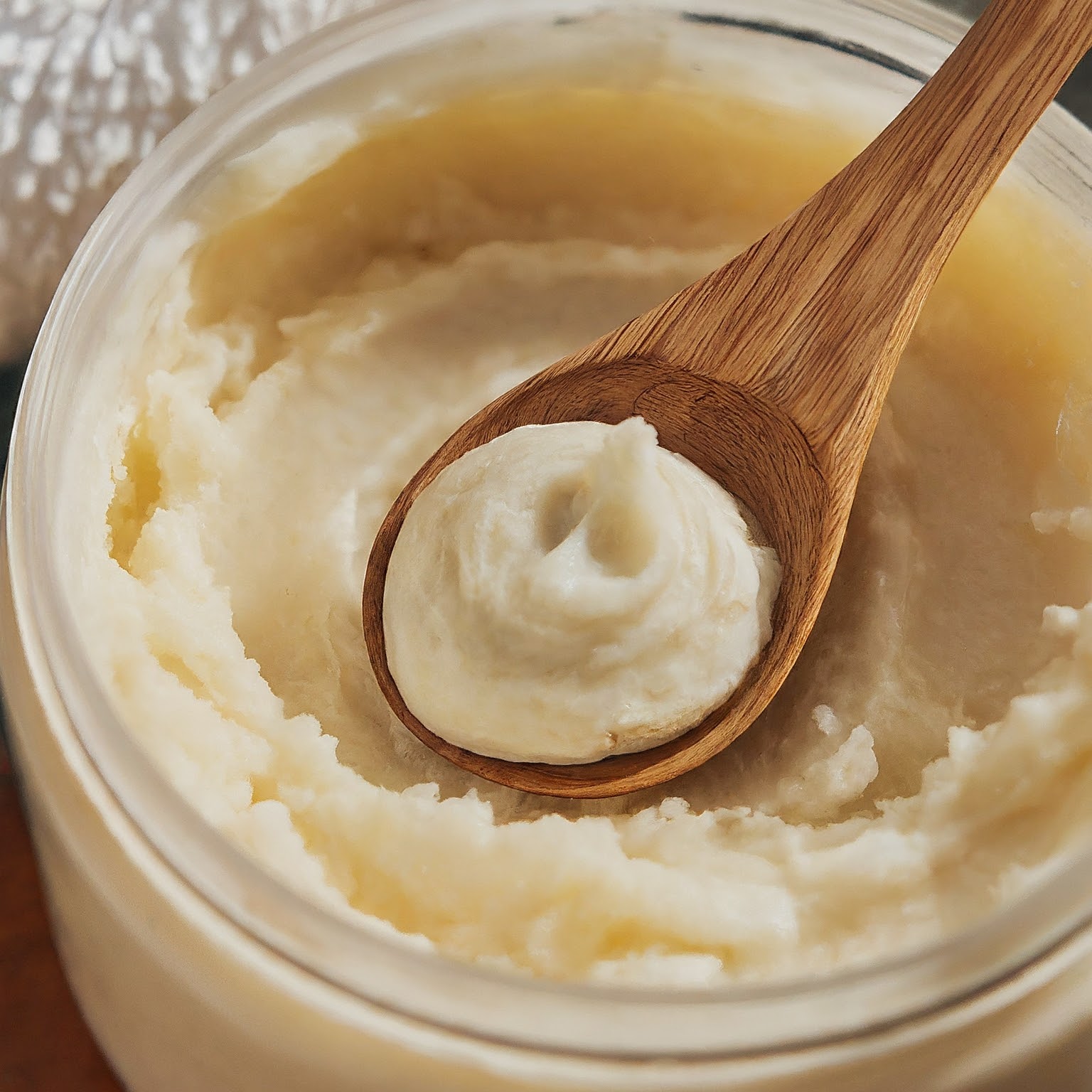
If your body lotion never seems to absorb properly—or if you constantly struggle with dullness, ingrown hairs, or rough patches on your knees and elbows—dead skin build-up is usually the culprit. A quality body scrub gently sloughs off surface debris, unblocking pores and unlocking that silky, radiant finish.
✨ What you’ll learn: The key differences between physical scrubs and chemical exfoliants, the best active ingredients for every skin type, and how to apply them safely without causing micro-tears.
1. What Is a Body Scrub & How Does It Work?
A body scrub is a specialized treatment designed to accelerate your body’s natural cell turnover. While our skin naturally sheds dead skin cells roughly every 28–30 days, aging, dryness, and sun exposure slow down this shedding process. Dead cells accumulate on the surface, making skin feel rough and look lackluster.
By removing this top layer, body scrubs instantly smooth texture, prep skin for a closer shave, and dramatically increase the absorption rate of your post-shower creams and oils.
🛒 Looking for product recommendations? Skip the research and see our tested top picks in the 7 Best Body Scrubs for Every Skin Type (2026 Reviews) →
💡 Skincare Tip: Exfoliation is only half the battle. Pair your scrub with a hydrating barrier-repair routine! Check out our guide on Choosing Non-Stripping Cleansers for Healthy Skin.
2. Physical vs. Chemical Body Exfoliants
Not all body exfoliants work the same way. Choosing between manual granules and exfoliating acids depends on your skin’s sensitivity and specific concerns:
- Physical Scrubs (Manual Exfoliants): These rely on fine abrasive granules—like brown sugar, finely ground sea salt, or jojoba beads—to physically friction away surface debris. They deliver immediate softness and work best on thick areas like heels, knees, and elbows. Avoid jagged particles like crushed walnut shells, which can cause micro-tears.
- Chemical Body Scrubs (Acid Exfoliants): These use gentle alpha-hydroxy acids (AHAs like Glycolic or Lactic acid) or beta-hydroxy acids (BHAs like Salicylic acid) to break down the cellular “glue” holding dead skin cells together. They penetrate deeper into pores, making them ideal for strawberry legs, body acne, and Keratosis Pilaris (KP).
3. Quick Comparison: Body Exfoliant Types
| Scrub Type | Key Ingredients | Best For | Intensity |
|---|---|---|---|
| Sugar Body Scrub | Brown Sugar, Plant Oils | Dry, Normal, Sensitive Skin | Gentle |
| Sea Salt Scrub | Fine Mineral Salt, Essential Oils | Rough Knees, Feet & Elbows | Moderate / Strong |
| AHA Body Wash / Scrub | Glycolic & Lactic Acid | Sun Damage & Uneven Tone | Targeted chemical |
| BHA Body Scrub | Salicylic Acid | Bacne, Clogged Pores & KP | Deep pore action |
3. The 4 Best Body Scrubs Reviewed
1. Tree Hut Shea Sugar Scrub (Tahitian Vanilla Bean)
A fan-favorite physical scrub formulated with pure natural sugar, shea butter, and a blend of 6 natural oils (including evening primrose and macadamia). It glides smoothly to polish dry skin while leaving behind a rich moisture veil.
- Key Actives: Real Sugar Granules, Shea Butter, Natural Oils
- Best Suited For: Dry legs, elbows, and general weekly body polish
2. First Aid Beauty KP Bump Eraser Body Scrub
A high-performance hybrid treatment that combines 10% Glycolic and Lactic Acids (AHAs) with fine pumice buffing beads. It chemically unglues dead skin cells while physically clearing out Keratosis Pilaris plugs.
- Key Actives: 10% AHA Blend (Glycolic + Lactic Acid), Pumice Granules
- Best Suited For: Strawberry legs, rough upper arm bumps, and uneven texture
3. Naturium The Smooth Operator Glycolic Acid Body Wash
For those who prefer a physical-scrub-free experience, this gel wash utilizes an AHA complex and fruit enzymes. It gently exfoliates sensitive skin while you cleanse, requiring zero abrasive scrubbing.
- Key Actives: Glycolic Acid, Organic Red Red Clover, Fruit Enzymes
- Best Suited For: Sensitive skin, body acne, and daily smoothing
4. Neutrogena Body Clear Acne Body Wash with 2% Salicylic Acid
Formulated specifically for acne-prone body areas, this oil-free wash penetrates deep into hair follicles to dissolve trapped sebum and dead skin cells before breakouts form.
- Key Actives: 2% Salicylic Acid (BHA), Glycerin
- Best Suited For: Back acne (bacne), chest breakouts, and oily skin
4. How to Choose the Right Scrub for Your Skin Type
🌵 For Dry & Flaky Skin
Opt for a sugar-based scrub suspended in nourishing oils (such as jojoba, sweet almond, or coconut oil). Sugar granules melt easily in warm water, minimizing friction while the oils lock in moisture.
🍓 For Keratosis Pilaris (“Chicken Skin”) & Bumps
Avoid harsh manual scrubbing, which inflames hair follicles. Instead, use a hybrid scrub combining micro-beads with Lactic Acid or Salicylic Acid to dissolve stubborn keratin plugs gently.
👉 See our deep-dive review on the First Aid Beauty KP Bump Eraser Scrub for target bump removal.
⚡ For Sensitive or Reactive Skin
Look for Polyhydroxy Acid (PHA) treatments or finely ground oat-based scrubs. PHAs have larger molecular structures that exfoliate exclusively on the skin surface without inducing stinging or redness.
5. DIY Body Scrubs: What Works & What to Avoid
Making your own body scrub at home can be a cost-effective alternative, but using the wrong kitchen ingredients can damage your skin barrier or clog your bathroom plumbing.
✅ Safe DIY Recipe: Hydrating Brown Sugar & Jojoba Polish
Brown sugar granules are smaller and softer than white salt crystals, making them gentle on body skin.
- Ingredients: 1 cup fine brown sugar + ½ cup jojoba oil (or sweet almond oil) + 2 drops pure vitamin E oil.
- How to Use: Mix thoroughly, apply to damp legs in circular motions, and rinse with warm water. Store in a sealed container and use within 2 weeks.
⚠️ Kitchen Ingredients to SKIP in DIY Scrubs
- Crushed Walnut Shells or Apricot Pits: These have sharp, jagged edges that cause micro-tears in skin tissue.
- Lemon Juice or Baking Soda: Lemon juice is highly acidic (pH ~2) and causes severe photo-sensitivity/chemical burns under sunlight. Baking soda is overly alkaline (pH ~9) and strips the acid mantle.
- Heavy Coffee Grounds (Plumbing Risk): Coffee grounds provide good manual exfoliation, but heavy oil + coffee sludge will quickly build up inside your shower drain pipes.
5. How to Apply Body Scrub Step-by-Step
- Soak in Warm Water First (5–10 Mins): Allow warm shower steam to soften the outer skin layer so dead cells detach easily without aggressive rubbing.
- Cleanse Before Exfoliating: Wash away surface sweat and oil with your standard body wash first so the scrub can directly target skin cells.
- Massage in Gentle Circular Motions: Apply a scoop of scrub and massage in light circles working toward your heart to stimulate lymphatic flow. Never press hard.
- Rinse with Lukewarm Water: Ensure all physical grit is thoroughly washed off to prevent post-shower irritation.
- Seal with Lotion on Damp Skin: Within 3 minutes of stepping out of the shower, apply a rich body butter or lotion to trap moisture into fresh skin tissue.
6. Frequently Asked Questions
Should I use a body scrub before or after shaving?
Always exfoliate BEFORE shaving. Scrubbing lifts trapped hairs away from the skin surface to prevent razor bumps. Exfoliating after shaving will cause intense burning on fresh skin micro-cuts.
How many times a week should I exfoliate my body?
1 to 2 times a week is plenty for physical scrubs. Over-exfoliating strips your moisture barrier, leading to redness, dryness, and excess oil production.
Can I use my body scrub on my face?
No. Body skin is significantly thicker than facial skin. Body scrub granules are usually too large and abrasive for facial skin and can cause micro-tears and broken capillaries.
Leave a Reply