

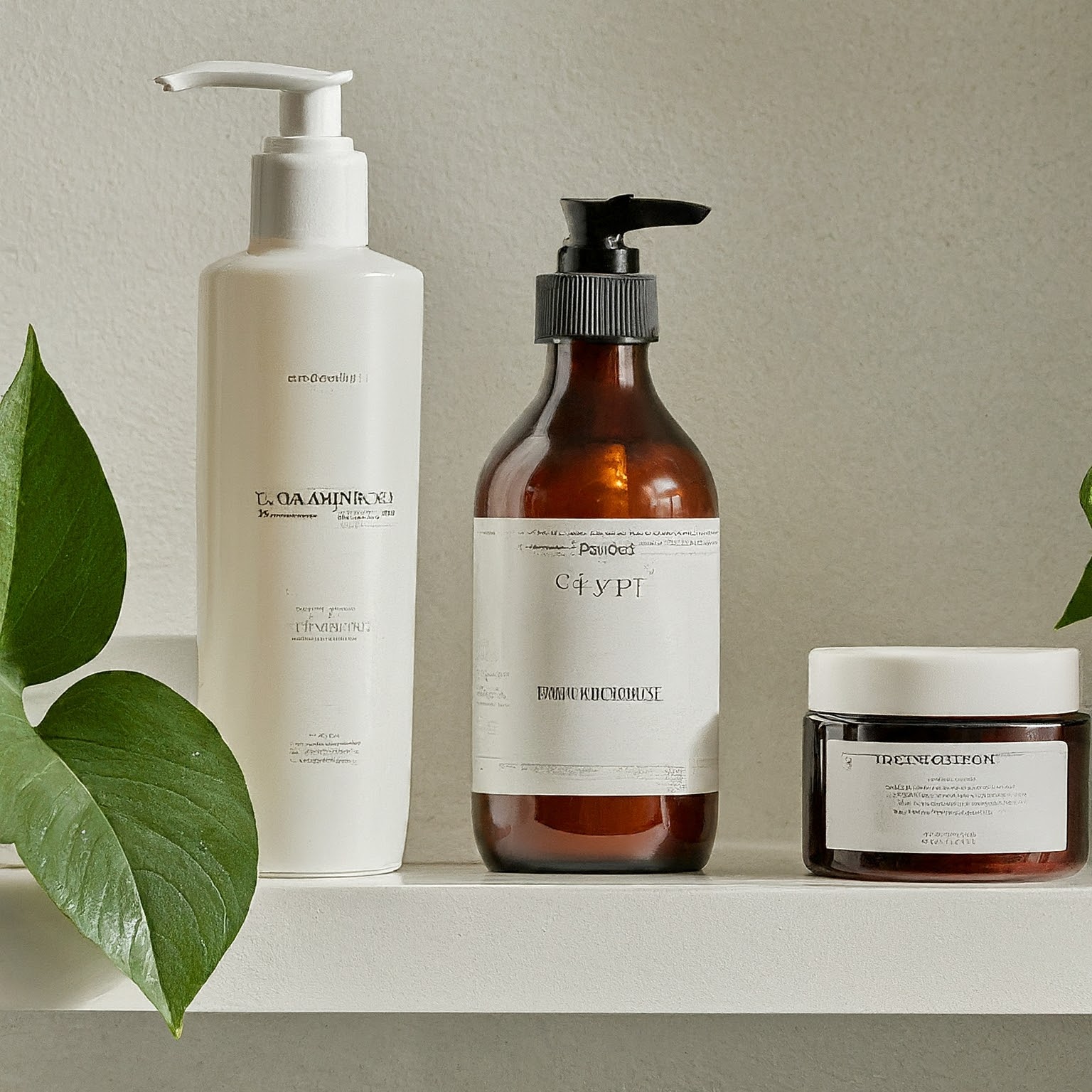
Navigating the modern cosmetic marketplace with a reactive skin profile can feel like walking through an absolute minefield. A single application of an overly aggressive active or a heavily perfumed formula can instantly trigger a multi-day cascade of burning, localized redness, tight dehydration, and flaky irritation. When the skin’s outer defense system is naturally thin or compromised, searching for effective sensitive skin care products requires looking past front-bottle marketing claims and learning to strictly analyze raw ingredient decks.
In clinical dermatology, true sensitive skin is characterized by an elevated immune response and a structurally porous stratum corneum. Because your lipid bilayers are inherently less efficient at blocking out environmental irritants, daily cosmetics easily penetrate too deeply, signaling the nervous system to trigger an inflammatory flare. To successfully manage this condition, your daily routine must shift from aggressive “retexturizing” to intentional, low-hazard barrier preservation and structural insulation.
This comprehensive guide provides an objective, chemical screening framework to help you confidently select the best products for sensitive skin. We will break down the primary ingredient categories that drive cellular reactivity, establish a minimalist three-step baseline protocol, and detail the precise biomimetic lipids required to calm overactive tissue and lock in long-term resilience.
Experiencing a sudden breakout or rough texture along with your redness? Check out our clinical profile on Sweet Almond Oil to learn how lightweight, biocompatible botanical lipids can safely break down daily impurities without stripping away your precious moisture barrier.
Table of Contents
1. Chemical Screening: Ingredients to Avoid
The first rule of managing a highly reactive complexion is elimination. A product cannot truly soothe your skin if it simultaneously carries volatile compounds that trigger micro-inflammation. When auditing potential sensitive skin care products, flip the bottle around and ensure it is completely free from these three highly pervasive cosmetic irritants.
| Irritant Category | Common Names | Action on Sensitive Skin |
|---|---|---|
| Volatile Fragrances | Linalool, Limonene, Eugenol, Geraniol |
• Leading cause of allergic contact dermatitis. • Oxidizes on skin to trigger immediate redness. • Destabilizes surface cells. |
| Drying Alcohols | Alcohol Denat., Isopropyl Alcohol, SD Alcohol |
• Dissolves protective surface lipids. • Causes rapid water evaporation (TEWL). • Triggers severe dehydration lines. |
| Stripping Surfactants | Sodium Lauryl Sulfate (SLS) |
• Aggressive, stripping foaming agent. • Denatures natural structural proteins. • Leaves the acid mantle completely raw. |
Instead of chasing complex, multi-layered formulas with extensive ingredient lists, look for products that utilize a short, ultra-clean deck. A minimalist approach drastically lowers the mathematical probability of your immune system reacting negatively to a specific component.
2. The Clinical Splicers: What to Look For
Once the primary irritants are eliminated, your products should deliver targeted, biocompatible actives designed to physically suppress inflammatory pathways and reinforce your surface shield. Look for these four clinically validated skin-soothers:
- Colloidal Oatmeal & Beta-Glucan: These complex sugars form a protective, matrix-like veil over the face, mechanically locking in hydration. They are packed with avenanthramides—potent antioxidants that directly inhibit the cellular signals responsible for itching and stinging.
- Centella Asiatica (Cica / Madecassoside): A legendary botanical extract that down-regulates pro-inflammatory cytokines. It rapidly calms severe flushing, accelerates surface tissue repair, and supports natural collagen synthesis in irritated areas.
- Niacinamide (Vitamin B3 – Formulated under 5%): At a low, controlled concentration, Niacinamide stimulates the skin’s natural production of ceramides and fatty acids. This thickens the stratum corneum over time, effectively reducing overall skin sensitivity.
- Glycerin & Hyaluronic Acid: Pure, weightless humectants that draw moisture deep down into the skin matrix, instantly plumping dehydrated skin cells and soothing the tight, raw sensation common to a compromised barrier.
3. The Minimalist Blueprint: Three-Step Baseline Routine
When your skin is highly reactive, over-complicating your product layering is a recipe for disaster. You do not need an eight-step regimen. Instead, utilize this clinically balanced, three-step baseline routine designed to cleanse, repair, and shield without over-activating your tissue.
Step 1: The Non-Stripping Cleansing Phase
Phase 1: Lipid Preservation (AM / PM)
wash your face using a soap-free, non-foaming milk or gel cleanser that features an ultra-low surfactant profile. Apply the cleanser using lukewarm water—never hot, which melts away vital protective fats. Gently massage using the soft pads of your fingers for no more than 30 seconds. Rinse completely and pat your face dry with a clean, soft microfiber towel. Never scrub or pull at the skin.
Step 2: The Structural Barrier Repair Phase
Phase 2: Lipid Lamellar Reinforcement (AM / PM)
While your skin is still slightly damp from rinsing, immediately apply a generous layer of a dedicated barrier repair cream. Look for a rich, emollient formula that features a biomimetic 3:1:1 lipid ratio (3 parts Ceramides, 1 part Cholesterol, 1 part Free Fatty Acids). This specific molecular ratio mimics the natural structure of your skin’s defensive layers, sliding into cellular gaps to stop moisture from escaping.
Step 3: The Physical Mineral Shield Phase
Phase 3: UV Reflection (AM Only)
UV radiation continuously degrades a weak skin barrier, making sunscreen non-negotiable. However, chemical UV filters (like Avobenzone or Oxybenzone) absorb into the skin and convert light to heat, which can easily trigger flushing. Instead, choose a pure 100% mineral sunscreen utilizing Zinc Oxide. Zinc sits safely on top of the skin like a physical shield to reflect UV rays away, while naturally working to calm inflammation and redness.
4. The Safety Protocol: How to Correctly Patch Test
Introducing a new product directly to your face without testing it first is the most common cause of severe cosmetic flares. Even products explicitly labeled “hypoallergenic” can contain a specific niche extract that your unique immune system rejects. Protect your barrier by adopting a strict testing protocol.
The Clinical 3-Day Patch Test Strategy
Day 1: Inner Arm Test: Apply a dime-sized amount of the new product to your clean inner forearm. Leave it on for 24 hours. If no itching, burning, or tiny bumps appear, proceed to the next phase.
Day 2: Jawline Isolation: Apply a small amount of the product directly along the lower edge of your jawline, right below your ear. This area shares a similar thickness and reactivity level with your facial skin.
Day 3: Ultimate Verification: Re-apply to the jawline zone for a second consecutive night. If the area remains completely calm, smooth, and free of redness, you can safely integrate the product into your full facial routine.
5. Frequently Asked Questions (FAQs)
Can sensitive skin profiles use anti-aging ingredients like Retinol?
Yes, but traditional pure retinol is often far too aggressive for highly reactive tissue, causing severe peeling and redness. If you want to address aging or texture, switch to Bakuchiol—a plant-based alternative that stimulates the exact same cellular pathways as retinol without triggering inflammatory side effects. Alternatively, you can use a deeply encapsulated time-release retinol at an ultra-low percentage (such as 0.1%), applying it over a thick layer of moisturizer to act as a buffer.
Why does my face burn when I apply simple water-based moisturizers?
When your skin barrier is heavily compromised, microscopic tears form across the stratum corneum, exposing vulnerable nerve endings below. When you apply a standard water-based lotion, the sudden influx of water and common preservatives rapidly penetrates these cracks, shocking the exposed nerves and causing a burning sensation. If this occurs, immediately scale back to a pure, waterless occlusive (like pure squalane oil or petrolatum) for 48 hours to seal the tears before returning to standard creams.
What is the difference between “Sensitive Skin” and a “Damaged Skin Barrier”?
Genetic sensitive skin is a permanent, long-term skin type characterized by a naturally thin protective outer layer and hyper-reactive blood vessels. A damaged skin barrier, however, is a temporary, acute medical condition caused by external over-processing (such as over-exfoliating with alpha-hydroxy acids or using stripping cleansers). A damaged barrier can affect any skin type, but it can be completely repaired within 14 to 28 days by removing all active acids and focusing strictly on hydration and ceramide creams.
Master Your Skincare Ingredient Biochemistry
Building a resilient, radiantly calm complexion requires a deep understanding of how different active ingredients alter your skin’s protective lipid envelope. Continue expanding your clinical skincare literacy with our expert educational blueprints:
- Everyday Moisturizer Mechanics: How to Moisturize Dry Skin: The Clinical Guide to Cream vs. Lotion
- Deep Lipid Layer Care: Ceramide Skincare: The Complete Guide to Skin Barrier Repair
- Botanical Emollient Balance: Sweet Almond Oil for Skin: The Clinical Guide to Prunus Amygdalus Dulcis
Conclusion: Calm the Immune Response to Reveal Healthy Resilience
Managing reactive skin doesn’t mean you are banned from achieving a radiant, clear complexion. It simply requires shifting your philosophy away from aggressive “stripping and scrubbing” toward protective, biological cooperation. By strictly screening out volatile fragrances, minimizing your total active product load, and consistently reinforcing your barrier with biomimetic lipids, you can systematically lower your skin’s baseline reactivity.
Be patient with your barrier. Give your surface cells the peaceful, unbothered environment they need to heal, shelter your skin from harsh environmental friction, and choose clean, minimalist chemistry. Over time, your skin will reward your consistency by trading tight, uncomfortable redness for a strong, deeply hydrated, and completely insulated complexion.
Leave a Reply