

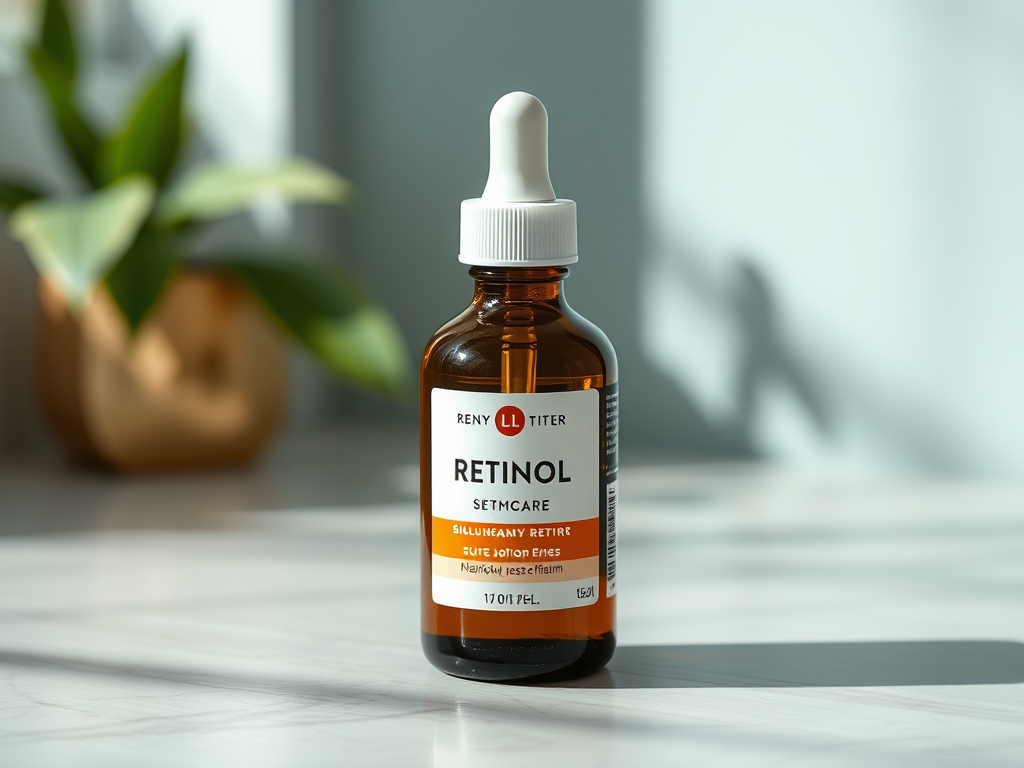
Your skin’s biological needs change dramatically across decades, meaning a Vitamin A routine that works in your 20s can easily cause barrier damage in your 50s. Tailoring active concentration, application frequency, and moisturizer vehicles to your age group ensures maximum collagen synthesis and anti-aging benefits without triggering irritation.
1. Retinol Concentration & Goals Matrix by Decade
As natural collagen degradation accelerates by approximately 1% per year starting in your mid-20s, tailoring active potency and formula vehicle to your age group ensures maximum efficacy without compromising barrier health.
| Age Bracket | Primary Focus | Recommended Strength | Ideal Vehicle / Texture |
|---|---|---|---|
| 20s (20–29) | Prevention, pore refinement, early oil balance | Low (0.01% – 0.1%) | Lightweight fluid or gel serum |
| 30s (30–39) | Early fine lines, initial collagen support, radiance | Moderate (0.2% – 0.3%) | Hydrating lotion or emulsion |
| 40s (40–49) | Firmness loss, sun damage, hyperpigmentation | Moderate-High (0.5%) | Nourishing cream with Niacinamide |
| 50s+ (50+) | Deep wrinkles, lipid loss, post-menopausal dryness | High (0.5% – 1.0%) or Retinal | Rich lipid cream with Ceramides & Peptides |
To understand the biological mechanisms of Vitamin A conversion pathways across all skin types, read The Complete Retinol Guide.
2. In Your 20s: Preventative Maintenance & Pore Control
In your early-to-mid 20s, cellular turnover remains robust. Introducing Vitamin A during this decade is primarily about early prevention and keeping hair follicles clear of excess sebum and micro-comedones.
- Goal: Establish cell-renewal habits before deep structural damage occurs.
- Frequency: 1 to 2 nights per week to build long-term skin tolerance.
- Strategy: Stick to low-strength (0.01% to 0.1%) encapsulated formulas. Avoid jumping to prescription strengths unless managing clinical acne under a doctor’s care.
If you have hyper-reactive skin in your 20s, explore gentle botanical alternatives in our guide to Retinol vs. Bakuchiol for Sensitive Skin.
3. In Your 30s: Early Fine Lines & Collagen Preservation
During your 30s, natural cell renewal slows, and early expression lines around the eyes and mouth begin to settle. Sun damage accumulated during younger years starts surfacing as subtle hyperpigmentation.
- Goal: Maintain collagen synthesis and refine uneven skin texture.
- Frequency: 2 to 3 nights per week or every alternate night.
- Strategy: Step up to moderate concentrations (0.2% to 0.3%). Pair your evening active with hydrating agents like hyaluronic acid and glycerin.
For morning antioxidant integration to support your night treatment, see our guide on how to safely pair Vitamin C and Retinol.
4. In Your 40s: Firmness, Hyperpigmentation, & Elasticity
In your 40s, structural elastin degradation becomes more pronounced. Skin produces fewer natural lipids, making it more susceptible to barrier thinning and localized hyperpigmentation (age spots).
- Goal: Target firming, improve dermal density, and fade dark spots.
- Frequency: Alternate nights to nightly, as tolerated.
- Strategy: Increase strength to 0.5% formulas or encapsulated Retinaldehyde. Pair with Niacinamide to support lipid synthesis and soothe irritation.
If higher concentrations trigger unexpected breakout phases, follow our recovery guide on How to Stop Retinol Purging & Barrier Breakdown.
5. In Your 50s & Beyond: Deep Wrinkles & Lipid Barrier Repair
During and after menopause, estrogen levels drop sharply, resulting in an estimated 30% reduction in dermal collagen during the first five years, alongside significant lipid loss. Skin becomes noticeably thinner, drier, and prone to deep wrinkling.
- Goal: Rebuild structural density while restoring missing intercellular lipids.
- Frequency: 2 to 4 nights per week, heavily cushioned with emollients.
- Strategy: Use high-potency 0.5%–1.0% Vitamin A or direct Retinal formulations, but transition away from lightweight serums to ultra-rich cream bases packed with ceramides and fatty acids.
For users in their 50s considering pharmaceutical options, compare clinical strengths in Retinol vs. Tretinoin: Differences, Potency, & Prescriptions.
6. How to Transition Between Strengths Over Time
Upgrading your active concentration as you age requires a gradual approach to avoid damaging your moisture barrier:
1. Finish your current lower-strength product bottle completely.
2. Introduce the new higher concentration just 1 night per week for 2 weeks.
3. Increase to 2 nights per week for the next 2 weeks.
4. Buffer every application using the “Sandwich Method” (Moisturizer → Active → Moisturizer) until skin adapts.
To review top-rated formulas categorized by vehicle type, see The Best Retinol Creams Ranked by Concentration & Skin Type.
7. Essential Barrier & Collagen Pairings
Regardless of your age bracket, supporting the stratum corneum with lipid-replenishing moisturizers is necessary when using cell-renewing actives:
CeraVe Moisturizing Cream
Formulated with 3 essential ceramides and hyaluronic acid to lock in moisture, prevent transepidermal water loss, and support skin barrier function across all age groups.
Check Current Price & Deals on Amazon8. Frequently Asked Questions (FAQs)
What age should you start using Retinol?
Dermatologists generally recommend starting a low-strength Retinol around age 25. This coincides with the natural decline of endogenous collagen production and slowing epidermal cell turnover.
Is 1% Retinol too strong for someone in their 20s?
Yes. A 1% concentration is usually excessive for skin in its 20s unless treating severe acne under dermatological guidance. Starting too high can trigger barrier breakdown, flushing, and severe peeling.
How does Retinol use change after menopause?
Post-menopause, skin experiences rapid estrogen loss, leading to severe dryness and lipid depletion. Retinol routines in your 50s and beyond must shift from lightweight serums to rich ceramide and peptide cream bases to prevent transepidermal water loss.
Leave a Reply