

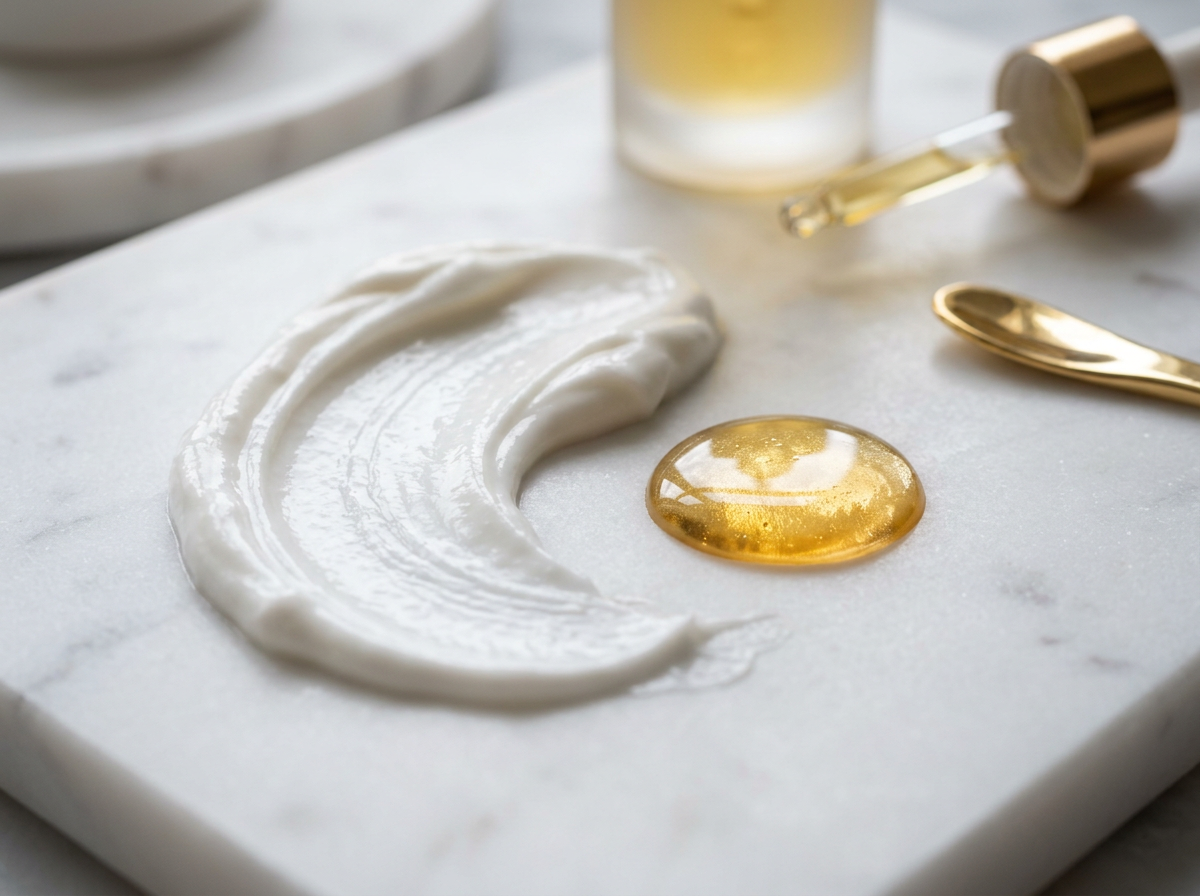
One of the most persistent misunderstandings in modern skincare is confusing hydration with moisturization. Many skincare enthusiasts swap out their daily facial cream for a trendy plant oil, only to experience unexpected skin flaking, clogged pores, or severe tightness days later. While both product categories play vital roles in restoring a dull, compromised complexion, they operate under completely different biochemical mechanisms in the stratum corneum.
Facial creams and lotions supply essential water molecules alongside lipid emulsions, whereas pure facial oils are entirely anhydrous (waterless) lipid formulations engineered to prevent evaporation. In this definitive master guide comparing Facial Oil vs. Moisturizer for skin barrier health, we analyze the tripartite pillar of hydration—humectants, emollients, and occlusives—evaluate how each format repairs damaged skin barriers, and reveal the exact molecular layering protocol to achieve maximum glass-skin radiance.
1. Core Science: Hydration vs. Moisture & The 3 Lipid Pillars
To understand why facial oils cannot replace traditional moisturizers, you must first understand the structural composition of the stratum corneum (the outermost skin barrier). The barrier operates like a “brick-and-mortar” wall: dead keratinocyte cells act as bricks, held together by an intercellular lipid matrix consisting of ceramides, cholesterol, and free fatty acids.
Every effective skin barrier routine relies on three distinct functional ingredient classes:
- 1. Humectants (Water Magnet Phase): Water-soluble molecules (such as Hyaluronic Acid, Glycerin, and Panthenol) that draw water from the dermis and ambient air into epidermal cells. Read our detailed humectant analysis in Hyaluronic Acid vs. Glycerin.
- 2. Emollients (Cellular Smoothers): Lipids and fatty acids that slip into micro-cracks between flaking skin cells, softening rough texture. Read our guide on soothing Panthenol for barrier repair.
- 3. Occlusives (Evaporative Shield): Water-repellent film formers (like Squalane, Jojoba Oil, or Petrolatum) that create a physical barrier to block Transepidermal Water Loss (TEWL). Read Ceramides vs. Hyaluronic Acid.
2. What Is a Moisturizer? (Humectants + Emollients + Occlusives)
A standard moisturizer (whether formulated as a light gel-cream, lotion, or rich barrier cream) is an emulsion combining water and oil phases bound together by emulsifiers. Because moisturizers contain water alongside humectants, emollients, and occlusives, they deliver complete 3-in-1 barrier support in a single application.
When your skin barrier is raw, red, or over-exfoliated from strong retinoids or chemical peeling, a balanced ceramide moisturizer supplies the necessary water hydration to plump cells while replenishing lost lipids. If you are actively recovering from barrier damage, start by reviewing our step-by-step guide on how to repair a damaged skin barrier.
3. What Is a Facial Oil? (Anhydrous Lipid Seals)
A facial oil is an entirely anhydrous formulation composed of botanical plant oils, synthetic esters, or purified hydrocarbons (such as pure Squalane). Facial oils contain zero water. Consequently, they supply no direct hydration to the skin.
Instead, facial oils act as concentrated emollients and occlusives. When applied over water-based serums or humectants, the oil molecules form a protective lipid seal across the stratum corneum, locking in moisture and reinforcing your natural sebum shield. To explore the best non-comedogenic carrier oils, read our head-to-head comparisons of Squalane vs. Jojoba Oil and Rosehip Oil vs. Argan Oil.
4. Head-to-Head: Facial Oil vs. Moisturizer Comparison Matrix
Compare the formulation properties, hydration mechanisms, and barrier benefits of both skincare formats:
| Clinical Property | Traditional Moisturizer (Creams/Lotions) | Pure Facial Oil (Anhydrous Lipids) |
|---|---|---|
| Water Content | High (60% – 85% Water Phase) | Zero (100% Anhydrous Lipid Phase) |
| Primary Function | Hydrates + Emollient Smoothing + Occlusive Sealing | Locks in existing moisture + Softens flaking texture |
| Formulation Components | Humectants + Emollients + Occlusives + Emulsifiers | Pure Fatty Acids + Triglycerides + Phytosterols |
| TEWL Prevention Power | Moderate-to-High (Depends on formula thickness) | Exceptional (Forms a tight, water-repellent film) |
| Can It Replace the Other? | Yes (Moisturizers can function standalone) | No (Oils applied alone over dry skin cause dehydration) |
5. How to Choose Based on Your Skin Barrier Profile
Selecting the right combination depends heavily on your specific skin type and current barrier health. To confirm your baseline profile, read our guide on how to determine your skin type.
1. Dry, Dehydrated, or Aging Barrier
Use Both: Apply a rich ceramide moisturizer first to supply water, then seal with 2–3 drops of an antioxidant-rich oil (like Argan or Rosehip Seed Oil) to halt overnight moisture evaporation.
2. Oily, Combination, or Acne-Prone Barrier
Use Moisturizer Standalone (or High-Linoleic Oil): Opt for a lightweight, oil-free gel-cream containing Niacinamide or Cica. Read our Master Centella Asiatica (Cica) Guide or compare acne actives in Salicylic Acid vs. Niacinamide.
6. The Rule of Molecular Density: How to Layer Oils & Creams
When building an effective evening routine, always layer products based on molecular density and water content—moving from thin water-based formulations to thick, lipid-dense sealants:
- Step 1 (First & Second Cleanse): Remove makeup and SPF thoroughly without stripping lipids. Read Cleansing Oil vs. Micellar Water vs. Cleansing Balm or How to Double Cleanse.
- Step 2 (Pore & Micro-Delivery Prep): Sweep a gentle prep pad across skin or use micro-channeling. Read our Medicube Zero Pore Pad 2.0 review or Medicube One Day Exosome Shot review.
- Step 3 (Water-Based Actives & Serums): Apply humectants, custom formulations, or salmon DNA complexes. Read about custom care in our Personalized Skincare Guide, or explore Medicube PDRN Serum review and PDRN Science Guide.
- Step 4 (Moisturizer / Cream Phase): Apply your daily hydrating moisturizer to deliver bound water and ceramides. Compare active options in Ectoin vs. Niacinamide or PDRN vs. Retinol.
- Step 5 (Facial Oil Seal – Optional): Warm 2 to 3 drops of non-comedogenic facial oil between palms and press gently over your moisturizer. Alternatively, lock in nutrients with an overnight hydrogel mask—see our Quasi Bio-Collagen Mask review, Quasi Bio-PDRN DNA Mask review, or Quasi Cica Calming Mask review.
7. Pros & Cons: What We Like vs. Consider
What We Like (Pros)
- Moisturizers supply the complete 3-part hydration system (water + humectants + lipids).
- Facial oils provide unmatched occlusive sealing power to halt TEWL overnight.
- Combining oils and creams allows customizable hydration levels based on weather shifts.
- Non-comedogenic oils (like Squalane) soften flaking skin without triggering fungal acne.
Things to Consider (Cons)
- Applying facial oil alone on dehydrated skin traps dryness beneath the oil film.
- Heavy high-oleic plant oils (like Coconut Oil) can clog pores on acne-prone skin types.
8. Frequently Asked Questions (FAQs)
No. Facial oils contain no water and cannot hydrate skin cells. Applying oil without a water-based moisturizer underneath leaves your skin dehydrated beneath an occlusive oil layer.
Always apply facial oil after your water-based moisturizer (or mix 2 drops directly into your cream). Because oil is denser and occlusive, applying oil first prevents water-based moisturizers from penetrating the skin.
Not if you select non-comedogenic oils rich in linoleic acid or purified hydrocarbons (such as Squalane, Jojoba Oil, or Rosehip Seed Oil). However, avoid high-oleic heavy oils like Coconut Oil if you have acne-prone skin.
9. Final Takeaway: Optimizing Your Barrier Routine
Mastering healthy, glowing skin requires recognizing the complementary roles of Facial Oils and Moisturizers. Use a balanced moisturizer as your non-negotiable daily foundation to supply humectant water hydration and ceramide repair. When facing extreme winter dryness, dry indoor heating, or severe barrier peeling, layer a few drops of a non-comedogenic facial oil on top to seal in moisture and achieve lasting glass-skin bounce.
To explore additional barrier repair, cleansing, and gentle body care guides, read our master body wash guide, review gentle cleansers in our Cetaphil Ultra Gentle Body Wash review, or learn about body hyperpigmentation in Kojic Acid Soap vs. Body Wash.
Leave a Reply