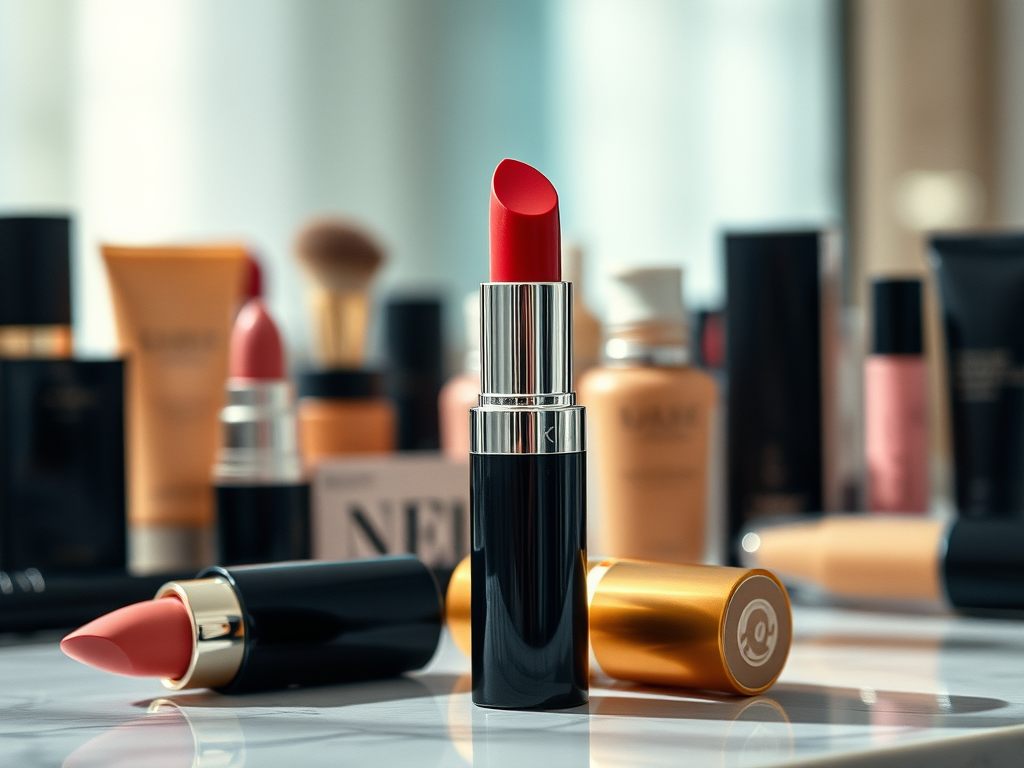
Decoding Makeup Ingredients: What’s In Your Cosmetics & Why Understanding the List Matters

Ever felt like you need a chemistry degree just to decipher the back of your favorite lipstick? You’re not alone! The world of makeup ingredients can seem incredibly complex, filled with long, unpronounceable names. But here’s the good news: understanding what’s in your cosmetic products is not only achievable but also empowering. It’s the key to achieving that flawless look while prioritizing your skin health and overall well-being.

This comprehensive guide will demystify cosmetic formulations. We’ll explore common ingredients in makeup, shine a spotlight on the beneficial ones, flag those that warrant caution, and help you become a savvy, confident consumer.

An array of makeup products like foundation, lipstick, and eyeshadow with focus on their ingredient lists, with a magnifying glass graphic.
Let’s magnify the fine print and decode your cosmetics together.

Why Bother with Makeup Ingredients? More Than Just Pretty Colors

Understanding the components of your cosmetics offers a wealth of benefits that go far beyond aesthetics:

  1. Personalized Skin Care: Identify potential irritants (like certain fragrances in cosmetics, preservatives, or even some natural extracts) to avoid redness, breakouts, and allergic reactions, tailoring choices to your unique skin.
  2. Product Efficacy & Performance: Knowing which active ingredients in makeup (like hyaluronic acid for hydration or salicylic acid for blemish control in concealers) are present helps you choose products that deliver on their promises. It also helps understand how base ingredients affect texture, blendability, and wear-time.
  3. Ethical & Value-Driven Choices: Align your purchases with your personal values, whether you’re seeking vegan makeup ingredients, cruelty-free formulations, sustainably sourced components, or non-toxic makeup options.
  4. Avoiding Potentially Harmful Chemicals: Some common makeup chemicals have raised health concerns over long-term exposure. Being aware allows you to make safer choices for yourself and the environment.
  5. Saving Money: Understanding ingredients prevents you from buying products that won’t work for your skin type or concerns, or falling for misleading marketing hype.

Ready to become a label detective? Test your knowledge with our fun Ingredient Quiz!

Decoding the Label: Mastering the INCI List

The first step on your ingredient journey is learning to read the ingredient list, universally known as the INCI list (International Nomenclature of Cosmetic Ingredients). This standardized system ensures transparency across the globe.

Video Suggestion: How to Read a Makeup Ingredient Label (INCI) in Under 2 Minutes

A quick visual guide to understanding INCI lists on your cosmetic products.

Key INCI Principles:

  • Order of Predominance: Ingredients are listed in descending order by weight. The first few ingredients (usually 5-7) make up the majority of the product.
  • The 1% Rule: Ingredients present at a concentration of 1% or less can be listed in any order after those present at more than 1%. This often includes potent actives, colorants, and preservatives.
  • Colorants: For makeup like eyeshadows or foundations, color additives are often listed at the end, sometimes preceded by “May Contain,” “CI” (Color Index), or “+/-“. For example, CI 77891 is Titanium Dioxide (a white pigment).
  • “Parfum” or “Fragrance”: This single term can mask a complex mixture of scent chemicals. If you have sensitivities, look for products specifically labeled “fragrance-free.”

Decoding the Roles: Common Ingredient Categories & Their Functions in Your Makeup

Cosmetic formulations are a careful balance of various ingredient types, each playing a specific role. Understanding these categories helps you grasp what gives your makeup its texture, wear, and effect:

  • Solvents (e.g., Aqua/Water, Alcohol, Glycols): These are the base liquids used to dissolve other ingredients and form the product’s structure. Water is the most common.
  • Emollients (e.g., Plant Oils, Shea Butter, Dimethicone, Isopropyl Myristate): These ingredients soften and smooth the skin by forming a protective layer. They improve spreadability and give products a luxurious feel.
  • Humectants (e.g., Glycerin, Hyaluronic Acid, Propylene Glycol, Sorbitol): These attract water (from the air or deeper skin layers) to the skin’s surface, helping to keep it hydrated. Essential for dewy finishes.
  • Occlusives (e.g., Petrolatum, Lanolin, Beeswax, Mineral Oil, heavier Silicones): These form a physical barrier on the skin to prevent moisture loss (Transepidermal Water Loss – TEWL). Great for lip balms and very dry skin products.
  • Pigments & Colorants (e.g., Iron Oxides, Titanium Dioxide, Mica, Ultramarines, Carmine, FD&C Dyes): These provide the actual color in your makeup. They can be mineral, synthetic, or naturally derived.
  • Thickeners & Stabilizers (e.g., Xanthan Gum, Carbomer, Cellulose derivatives, Waxes, Clays): These control the viscosity (thickness) and texture of a product, preventing separation and ensuring a desirable consistency.
  • Preservatives (e.g., Phenoxyethanol, Parabens, Caprylyl Glycol, Sodium Benzoate, Potassium Sorbate): Crucial for preventing the growth of bacteria, mold, and yeast in products (especially those containing water), extending shelf life and ensuring safety.
  • Film Formers (e.g., Acrylates Copolymer, PVP, Polyurethane): These ingredients create a continuous film on the skin, hair, or nails, providing properties like water resistance, smudge-proofing, and long wear (common in mascara, liquid eyeliner, and long-wear foundation).
  • Texture Enhancers & Slip Agents (e.g., Silica, Talc, Mica, Nylon-12, Boron Nitride): These improve the feel and application of a product, providing smoothness, reducing tackiness, and aiding blendability. Often found in powders and primers.
  • pH Adjusters (e.g., Citric Acid, Sodium Hydroxide, Lactic Acid): Used to establish and maintain the product’s pH at a level that is optimal for stability, efficacy, and skin compatibility.
  • Active Ingredients (e.g., SPF ingredients, Salicylic Acid, Antioxidants like Vitamin C & E, Peptides): These are ingredients included for a specific therapeutic or functional benefit beyond basic aesthetics, like sun protection, anti-acne, or anti-aging.

The Good Guys: Beneficial Makeup Ingredients to Embrace

Modern makeup formulations often double as skincare, packed with ingredients that nourish, protect, and enhance your complexion. Here are some heroes to look for:

A flat lay showcasing beneficial cosmetic ingredients like hyaluronic acid, vitamin C, niacinamide, and natural botanical extracts.
Seek out these skin-loving powerhouses in your makeup.

Hydrators & Moisturizers:

  • Hyaluronic Acid (Sodium Hyaluronate): A super-hydrator that plumps skin by drawing in moisture. Ideal for hydrating foundation ingredients and lip products.
  • Glycerin: A reliable humectant that helps skin retain moisture and strengthens the skin barrier.
  • Squalane: A lightweight, non-comedogenic emollient (often olive-derived) that mimics skin’s natural sebum, providing excellent moisturization without greasiness.
  • Ceramides: Lipids crucial for maintaining the skin’s barrier function, preventing moisture loss and protecting against irritants.
  • Natural Oils & Butters (Jojoba, Argan, Shea, Rosehip, Marula): Rich in fatty acids and antioxidants, these provide nourishment, improve texture, and create a smooth canvas. Explore more about natural makeup ingredients.
  • Panthenol (Pro-Vitamin B5): Hydrates, soothes, and helps with skin repair.

Antioxidants & Brighteners:

  • Vitamin C (L-Ascorbic Acid, Sodium Ascorbyl Phosphate, THD Ascorbate): A potent antioxidant that fights free radical damage, brightens skin tone, and can support collagen production.
  • Vitamin E (Tocopherol, Tocopheryl Acetate): Moisturizing and works synergistically with Vitamin C to protect against environmental stressors.
  • Niacinamide (Vitamin B3): A multi-tasking superstar that minimizes pores, calms redness, regulates oil, improves skin texture, and strengthens the barrier.
  • Green Tea Extract (Camellia Sinensis Leaf Extract): Soothing, anti-inflammatory, and packed with powerful antioxidants (EGCG).
  • Resveratrol: A potent antioxidant found in grapes, known for its anti-aging properties.
  • Bakuchiol: A plant-derived alternative to retinol, offering similar skin-renewing benefits with potentially less irritation.

Soothers & Calmers:

  • Aloe Vera (Aloe Barbadensis Leaf Juice): Renowned for its soothing, hydrating, and anti-inflammatory properties.
  • Chamomile (Chamomilla Recutita Flower Extract, Bisabolol): Calms irritated and sensitive skin.
  • Allantoin: Promotes skin healing, soothes irritation, and improves skin smoothness.
  • Centella Asiatica (Cica, Gotu Kola): Excellent for calming inflammation, promoting healing, and soothing sensitive or compromised skin.

Love skincare-infused makeup? Discover our top picks for makeup that cares for your skin!

Ingredients to Approach with Nuance & Caution

While the cosmetic industry has safety regulations (learn more at the FDA’s cosmetics page), some cosmetic ingredients are debated or can be problematic for certain individuals. It’s about informed awareness, not fear:

  • Parabens (Methylparaben, Propylparaben, etc.):
    • Use: Effective broad-spectrum preservatives.
    • Concern: Potential (though debated and often low-risk in typical cosmetic concentrations) for endocrine disruption. Many brands now offer paraben-free makeup as consumers demand alternatives.
  • Sulfates (Sodium Lauryl Sulfate – SLS, Sodium Laureth Sulfate – SLES):
    • Use: Surfactants creating foam; mainly in cleansers but can appear in some makeup removers or foundations.
    • Concern: Can be drying and irritating for sensitive or dry skin types.
  • Phthalates (DBP, DEHP, DEP):
    • Use: Primarily as plasticizers in nail polishes or to help fragrances last longer.
    • Concern: Potential endocrine disruptors. Often unlisted, hiding under “fragrance.”
  • Formaldehyde & Formaldehyde-Releasing Preservatives (e.g., DMDM Hydantoin, Imidazolidinyl Urea):
    • Use: Potent preservatives.
    • Concern: Formaldehyde is a known carcinogen and common allergen. While releasers provide very low levels, sensitive individuals may react.
  • Synthetic Fragrance/Parfum:
    • Use: To add scent.
    • Concern: A “fragrance” blend can contain hundreds of undisclosed chemicals, some of which are common allergens or irritants. If sensitive, opt for fragrance-free makeup or products scented only with essential oils (which can also be irritating for some).
  • Talc:
    • Use: Absorbs moisture, provides slip, and acts as a filler in powders.
    • Concern: Historical risk of asbestos contamination (reputable brands now source certified asbestos-free talc). Some prefer talc-free makeup due to its drying nature or inhalation concerns with loose powders.
  • Mineral Oil & Petrolatum:
    • Use: Highly effective occlusive emollients.
    • Concern: Cosmetic-grade versions are highly purified and generally safe. Some dislike their petroleum origin or find them too heavy/comedogenic for oily skin (though typically non-comedogenic).
  • Chemical Sunscreens (Oxybenzone, Octinoxate, Avobenzone, Octocrylene):
    • Use: Provide UV protection in SPF makeup ingredients.
    • Concern: Some can cause skin sensitivity. Oxybenzone and Octinoxate have raised environmental concerns (coral reef safety) and some endocrine disruption questions. Mineral sunscreens (Zinc Oxide, Titanium Dioxide) are often preferred alternatives. Find out more in our guide to sunscreens.
  • Silicones (Dimethicone, Cyclopentasiloxane, etc.):
    • Use: Provide slip, create a smooth feel, fill in fine lines, and offer water-resistance. Widely used in primers and foundations.
    • Concern: Generally considered safe and non-comedogenic for most. However, some find they can feel occlusive, potentially trap debris leading to breakouts (for very acne-prone skin), or dislike their non-biodegradable nature. It’s often a matter of personal preference and skin reaction.
  • Alcohols (SD Alcohol, Denatured Alcohol, Isopropyl Alcohol):
    • Use: As solvents, to enhance penetration, or provide a quick-drying feel.
    • Concern: High concentrations of these “drying” alcohols can be stripping, irritating, and damage the skin barrier over time. Fatty alcohols (like Cetyl, Stearyl, Cetearyl alcohol) are different and are generally beneficial emollients.

Navigating “Natural,” “Organic,” “Clean,” & Other Marketing Claims

The beauty aisle is full of buzzwords. Here’s a quick breakdown to help you see past the marketing:

Various certification labels like USDA Organic, Leaping Bunny for cruelty-free, and Vegan society logo.
Look for reputable certifications, but always check the INCI list.
  • “Natural”: This term is largely unregulated. It can mean anything from 100% plant-derived to containing just one natural ingredient. Always check the full INCI.
  • “Organic”: More regulated than “natural,” but standards vary. Look for official certifications like USDA Organic, Ecocert, or COSMOS Organic to ensure a high percentage of organically farmed ingredients.
  • “Clean Beauty”: Has no standard definition and varies by brand/retailer. Generally implies formulas free from a self-defined list of controversial ingredients (like parabens, sulfates, phthalates). Investigate what “clean” means to a specific brand via their “free-from” list.
  • “Cruelty-Free”: Means the product and its ingredients were not tested on animals. Look for reputable certifications like Leaping Bunny or PETA’s Beauty Without Bunnies. Note: Cruelty-free does not automatically mean vegan.
  • “Vegan”: Means the product contains no animal-derived ingredients or by-products (e.g., beeswax, lanolin, carmine, honey). Look for certifications like The Vegan Society.
  • “Hypoallergenic”: Implies the product is less likely to cause allergic reactions. However, there are no federal standards for this claim, so it’s not a guarantee. Patch testing is still key.
  • “Non-Comedogenic”: Suggests the product is formulated not to clog pores. Again, not a foolproof guarantee, as individual reactions vary.

The Golden Rule: Marketing claims are a starting point, but the INCI list tells the real story.

A Peek Inside: Key Ingredients By Product Type

Different makeup products require specific ingredients to perform their best. Here’s a snapshot of what you might commonly find:

A flat lay arrangement of common makeup products like foundation, mascara, lipstick, and an eyeshadow palette.
Each product type has a unique ingredient profile designed for its specific function.
  • Foundation:
    • Key Ingredients: Pigments (Titanium Dioxide, Iron Oxides) for coverage, Silicones (Dimethicone, Cyclopentasiloxane) for smooth application and blendability, Humectants (Glycerin, Hyaluronic Acid) for hydration, Emollients (various oils and esters) for texture and skin conditioning.
    • Why: To create an even base, provide coverage, and offer a desired finish (matte, dewy).
  • Concealer:
    • Key Ingredients: Higher concentrations of Pigments for targeted coverage, Film-formers for adhesion and long wear, sometimes soothing ingredients like Niacinamide or Allantoin for blemish-prone areas.
    • Why: To offer more opaque coverage than foundation for specific areas like blemishes or dark circles.
  • Powders (Setting, Face, Finishing):
    • Key Ingredients: Absorbents like Talc, Mica, Silica, Corn Starch, or Kaolin Clay to control oil and mattify; Pigments for tint; Binders (e.g., Zinc Stearate) to hold the pressed powder form.
    • Why: To set liquid/cream makeup, reduce shine, and provide a smooth finish.
  • Blush, Bronzer, Highlighter (Powder forms):
    • Key Ingredients: Pigments (Iron Oxides, Red/Yellow Dyes, Carmine for some reds) for color, Mica for shimmer/glow, a base of Talc or similar powders, Binders.
    • Why: To add color, contour, or luminosity to the face.
  • Eyeshadow:
    • Key Ingredients: A wide array of Pigments and Mica for diverse colors and finishes (matte, shimmer, metallic), Binders (Magnesium Stearate, Zinc Stearate) to help powder adhere to the skin and each other, Slip Agents (Silica, Boron Nitride) for blendability.
    • Why: To add color and definition to the eyelids.
  • Eyeliner (Pencil & Liquid):
    • Pencil: Waxes (Beeswax, Carnauba Wax) for structure, Oils for glide, Pigments (Carbon Black, Iron Oxides).
    • Liquid: Film-formers (Acrylates Copolymer) for long-wear and water-resistance, intense Pigments, Solvents.
    • Why: To define the eye shape with precise lines.
  • Mascara:
    • Key Ingredients: Waxes (Beeswax, Carnauba, Paraffin) for volume and structure, Pigments (Iron Oxides, Carbon Black) for color, Film-formers and Polymers for smudge-proofing, curl, and length, Fibers (Nylon, Rayon – in some formulas) for added length/volume, Conditioners (Panthenol, Vitamin E).
    • Why: To enhance eyelashes by adding color, volume, length, and/or curl.
  • Lipstick & Lip Gloss:
    • Lipstick: Waxes (Candelilla, Carnauba, Beeswax) for structure and stick form, Oils (Castor, Jojoba, Coconut) for moisture and glide, Pigments for color, Emollients.
    • Lip Gloss: Polybutenes, Esters, or Oils for high shine and texture, Pigments or Dyes for sheer to medium color, Humectants.
    • Why: To add color, moisture, and/or shine to the lips.

(Note: Vegan alternatives exist for ingredients like Beeswax (e.g., Candelilla or Carnauba wax can be primary) and Carmine (e.g., synthetic or plant-based dyes).

Tips for Choosing Ingredient-Conscious Makeup:

  1. Know Your Skin Type & Concerns: Oily, dry, acne-prone, sensitive, rosacea? This is fundamental for selecting suitable types of makeup ingredients. For example, salicylic acid can be great in a concealer for acne, but too drying for others.
  2. Identify Your Sensitivities: Keep a “no-go” list of ingredients that have previously irritated your skin.
  3. Patch Test Everything: Before applying a new product to your face, test it on a small, inconspicuous area (like behind your ear or inner arm) for 24-48 hours.
  4. Research Brands: Look for brands committed to transparency regarding their ingredient sourcing, formulation philosophy, and testing practices.
  5. Utilize Reputable Resources: Websites like the EWG Skin Deep database and apps like Think Dirty or INCIDecoder can offer ingredient information and safety ratings. Use them as tools for research, not absolute verdicts.
  6. Start Simple: If you’re overwhelmed, focus on understanding the first 5-7 ingredients, as they make up the bulk of the product.
  7. Don’t Fear “Chemicals”: Remember, water is a chemical (H₂O)! It’s about understanding the specific function and potential impact of each ingredient.

Feeling overwhelmed? Download our free “Makeup Ingredients to Watch” checklist!

A person thoughtfully comparing ingredient lists on makeup products, appearing empowered and informed.
Empower your choices by becoming ingredient-savvy.

Frequently Asked Questions (FAQs)

Q1: Are “natural” makeup ingredients always safer?
A: Not necessarily. “Natural” is an unregulated term. Some natural ingredients (like certain essential oils or plant extracts) can be potent allergens or irritants for sensitive individuals. Conversely, many synthetic ingredients have excellent safety profiles and efficacy. It’s about the specific ingredient, not just its origin.
Q2: How can I tell if a product is truly “clean”?
A: Since “clean beauty” lacks a standard definition, you need to look at the brand’s specific “free-from” list and their overall philosophy. Research what “clean” means to them. Don’t just rely on the label; always check the INCI list against your personal criteria and known sensitivities.
Q3: If an ingredient is low on the INCI list, does it mean it’s not important?
A: Not always. While the first few ingredients make up the bulk of the product, potent active ingredients, preservatives, and colorants are often effective at very low concentrations (1% or less) and will appear further down the list.
Q4: What’s the difference between “fragrance-free” and “unscented”?
A: “Fragrance-free” means no fragrance materials have been added to the product. “Unscented” means that masking fragrances may have been added to cover the smell of other ingredients, so the product has no perceptible odor but still contains fragrance chemicals. For sensitive skin, “fragrance-free” is generally the better choice.
Q5: Do expensive makeup products always have better ingredients?
A: Price doesn’t always correlate with ingredient quality or suitability for your skin. Some affordable brands have excellent formulations, while some luxury products might contain irritants or basic formulas. Focus on the INCI list, brand transparency, and how the product works for *your* skin, rather than just the price tag.

The Takeaway: Knowledge is Your Most Powerful Beauty Tool

Embarking on the journey to understand makeup ingredients might seem daunting at first, but it’s an incredibly rewarding endeavor. It empowers you to make choices that align with your skin’s needs, your health priorities, and your personal values. It’s not about achieving perfection or fearing every unfamiliar term, but about cultivating awareness and making informed decisions.

By paying closer attention to those often-overlooked labels, you can build a makeup collection that not only enhances your natural beauty but also supports your skin’s long-term health and vitality. You’ve got this!

Ready to Take Control of Your Makeup Bag?

Start by checking the ingredients of your top 3 products today! What did you discover?

Share your findings and questions with our beauty community!

What are your holy grail makeup ingredients? Are there any you religiously avoid? Share your experiences and tips in the comments below – let’s learn from each other!


Discover more from Beauty Cares Inc

Subscribe to get the latest posts sent to your email.

Comments

Leave a Reply

Discover more from Beauty Cares Inc

Subscribe now to keep reading and get access to the full archive.

Continue reading