

Managing sensitive skin can feel like navigating an unpredictable biological minefield. One day your complexion appears perfectly calm, and the next, a routine product application triggers a sudden wave of tight, burning discomfort, visible flushing, or dry, scaly patches. In the clinical landscape, skin sensitivity is rarely a fixed genetic trait; rather, it is an active state of neurovascular hyper-reactivity caused by a compromised outer defensive layer. When your skin’s protective lipid barrier is weakened, environmental irritants, shifts in temperature, and harsh cosmetic chemicals easily penetrate down to vulnerable nerve endings, setting off a continuous cycle of low-grade cellular inflammation.
Calming a highly reactive complexion requires moving past standard beauty marketing and embracing an intentional, low-friction skin philosophy. True long-term relief is not about constantly hunting for individual “miracle” products to treat separate flare-ups. Instead, it relies on completely stripping away common irritants, utilizing biocompatible ingredients that physically patch cellular gaps, and adopting application techniques that respect your skin’s delicate physical boundaries. By shifting your approach from aggressive treatment to structural support, you can successfully lower your skin’s reactivity index and establish a resilient, comfortable baseline.
1. The Biological Root: The Science Behind Skin Hyper-Reactivity
To effectively manage sensitive skin, we have to look past surface-level symptoms and understand the specific cellular changes occurring within your protective moisture barrier.

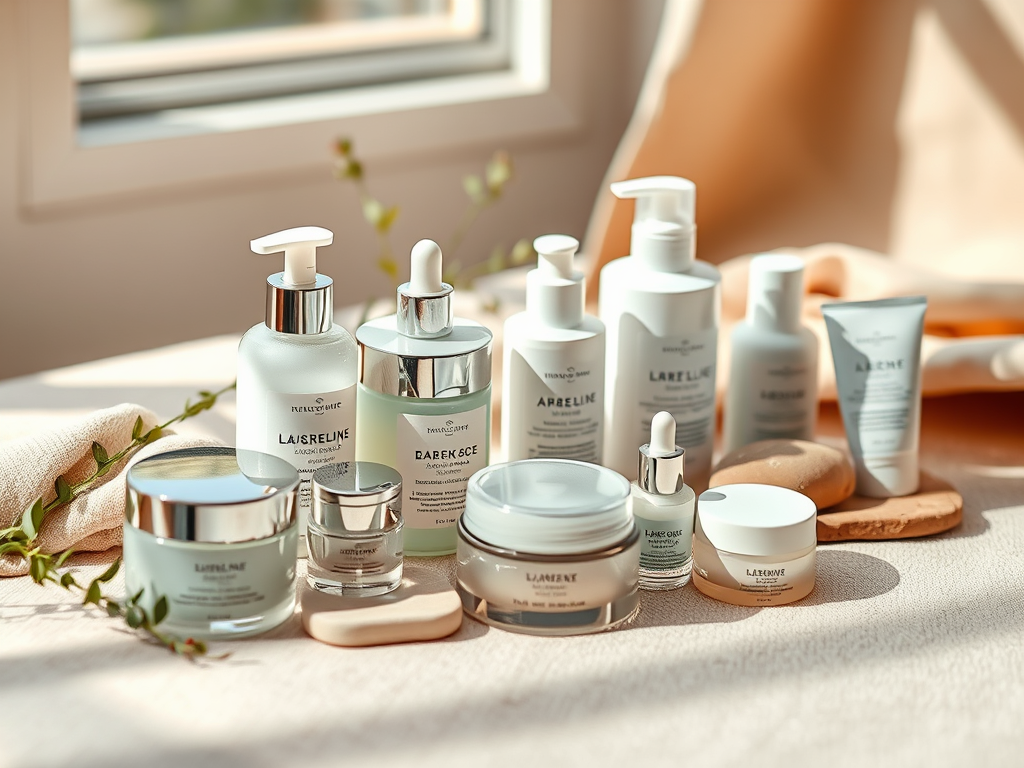
The Pure Formulation Strategy: Prioritizing minimalist, barrier-supportive clinical products helps stabilize reactive cellular pathways and prevents neurogenic flushing.
In a healthy complexion, the outer layer of the epidermis—the stratum corneum—acts as a tight, waterproof shield held together by a dense matrix of ceramides, cholesterol, and free fatty acids. In sensitive profiles, this intercellular lipid matrix is thin or structurally uneven. This structural breakdown allows moisture to rapidly evaporate into the air while giving external pollutants, bacteria, and allergens a direct pathway into deeper tissue layers. Once these foreign molecules cross the damaged barrier, they interact with specialized receptors called transient receptor potential (TRP) channels located on your sensory nerve fibers. This interaction immediately triggers a process known as neurogenic inflammation, releasing chemical messengers that cause blood vessels to rapidly widen, creating the sensations of burning, itching, and visible flushing.
2. The Clinical Diagnostic Baseline: Identifying Your Reactivity Profile
Before you can properly treat an easily overwhelmed complexion, you must determine whether you are dealing with a permanent genetic skin trait or a temporary, self-induced barrier disruption.
The Chronic Sensitive Profile: If your skin has consistently flushed, burned, or felt itchy since childhood, you likely possess a genetically thin stratum corneum. This condition is frequently linked to underlying conditions like rosacea, eczema, or a native deficiency in ceramide production. Your focus must be on lifelong barrier maintenance.
The Acute Sensitized State: If your skin was completely normal but suddenly became red, peeling, and hyper-reactive after you added a new high-percentage retinoid, glycolic acid toner, or coarse face scrub, your barrier is temporarily sensitized. This is an acquired condition, meaning your baseline skin health can be fully restored once the offending product is removed.
The Global Stinging Indicator: A definitive sign of a structurally broken barrier occurs when even your most basic, bland, dermatologist-approved hydration creams cause an immediate, sharp stinging sensation upon application. This occurs because the missing lipid mortar allows simple water molecules to drop directly onto exposed neurosensory receptors.
3. Structural Elimination: Common Ingredients to Systematically Purge
When your skin barrier is in a highly reactive state, the most critical step you can take is to systematically remove non-functional ingredients and hidden sensitizers that add unnecessary stress to your cellular renewal cycle.
Aggressive Cleansing Surfactants: Look past marketing terms like “sulfate-free” and scan the ingredient deck for Sodium Lauryl Sulfate (SLS) and Sodium C14-16 Olefin Sulfonate. These harsh cleansing agents disrupt the native proteins in your stratum corneum, aggressively stripping away the intercellular fats required to keep your cells bound together.
Volatile Drying Alcohols: Often added to create an ultra-lightweight texture or an immediate matte finish, quick-drying alcohols like Alcohol Denat, Isopropyl Alcohol, and SD Alcohol 40 rapidly dissolve your skin’s surface sebum. This sudden breakdown spikes trans-epidermal water loss (TEWL) and leaves cells parched and exposed.
Chemical Sunscreen Filters: Organic UV filters such as Oxybenzone, Avobenzone, Octocrylene, and Homosalate work by absorbing UV rays and converting them into metabolic heat. In reactive skin types, this internal thermal conversion triggers immediate neurovascular flushing, stinging, and localized swelling around the delicate eye area.
Unregulated Organic Fragrances: Synthetic perfumes and aromatic plant extracts add zero functional benefit to a formula. Molecules like linalool, limonene, and generic “parfum” easily slip past a weak skin barrier, triggering localized immune responses that show up as stubborn, itchy red patches.
4. The Biocompatible Toolkit: Essential Compounds That Rebuild Structural Integrity
To repair an easily irritated skin barrier, your topical routine must focus completely on introducing biocompatible molecules that soothe hyper-active nerve pathways and precisely mimic your skin’s natural protective structure.
| Ingredient Base | Target Biological Pathway | Clinical Benefit |
|---|---|---|
| Madecassoside (Cica) | Suppresses pro-inflammatory cytokines and down-regulates cellular inflammatory signaling pathways. | Visibly reduces active, throbbing redness and cools superficial skin heat. |
| The 3:1:1 Lipid Matrix | Physically integrates a precise, biometric balance of 3 parts Ceramides, 1 part Cholesterol, and 1 part Free Fatty Acids into cellular gaps. | Accelerates natural barrier synthesis and seals microscopic cellular cracks to permanently halt chronic TEWL. |
| Allantoin & Panthenol | Stimulates localized cell proliferation, stabilizes the lipid shield, and desensitizes hyper-reactive nerve endings. | Smooths out rough, flaky textures and eliminates the immediate stinging sensation during product application. |
| Beta-Glucan | Binds water molecules intensely to epidermal cells while soothing surface Langerhans (immune) cells. | Provides deep, long-lasting hydration that outperforms traditional hyaluronic acid in compromised skin. |
5. Triage: The 48-Hour Emergency Cooldown Protocol
If you apply a cosmetic product and your face immediately begins to throb, turn bright red, or burn intensely, your immune system has gone into active defense mode. Use this immediate triage protocol to halt the inflammatory cascade.
Hour 0: The Immediate Dilution Wash: Do not wait for the sensation to pass. Head to the sink and flush your face with copiously running, lukewarm water for two full minutes to completely dilute and remove the residual product. Avoid using any face wash—even a gentle one—during this initial flush, as the physical rubbing can push active irritants deeper into open cellular gaps.
Hour 1: The Thermal Compress Phase: Soak a clean, ultra-soft microfiber cloth in cold water, wring out the excess moisture, and gently drape it across your face for ten minutes. The cold temperature physically constricts hyper-dilated blood vessels, instantly reducing the surface heat, throbbing, and visible swelling.
Hours 2–48: The Single-Asset Occlusive Seal: For the next two days, skip your entire multi-step skincare routine. Apply a thin layer of a pure, single-ingredient occlusive lipid—such as clinical-grade squalane oil or 100% white petrolatum ointment—to the damp skin. This creates a temporary, hypoallergenic artificial shield that locks in moisture while your native lipid matrix begins patching its structural holes.
6. Routine Architecture: Building a Balanced, Scent-Free Routine
When your skin barrier is easily overwhelmed, your daily routine should focus on minimalist steps that prioritize protective hydration over aggressive correction.
The Restorative Morning Strategy: Keep your morning steps simple to minimize product layered across your skin. Cleanse using only cool or lukewarm water to preserve the natural lipids built up overnight, follow with a soothing, fragrance-free panthenol or hyaluronic acid serum, and finish with a generous layer of a 100% mineral sunscreen utilizing zinc oxide, which naturally calms skin inflammation.
The Nourishing Evening Protocol: Use your evening routine to wash away daily environmental pollutants and supply your skin with barrier-building ingredients. Wash with a non-foaming, soap-free milk cleanser, apply a targeted ceramide repair cream to slightly damp skin, and seal areas prone to flaking with a thin, protective layer of a squalane-based barrier balm.
7. Tactile Mechanics: Low-Friction Application Techniques to Prevent Flushing
The physical way you apply skincare products to your face can influence skin reactivity just as much as the ingredients themselves. Rough handling can trigger immediate neurovascular flushing.
The Press-and-Hold Method: Avoid aggressively rubbing or massaging creams and serums into your skin. Instead, disperse the product evenly across your clean palms, place your hands directly onto your face, and use gentle, steady pressure to press the formula into the skin, avoiding friction-induced heat.
Eliminating Cotton Pads: Wiping cotton rounds or exfoliating cloths across a sensitive skin barrier creates microscopic scratches on the skin’s surface. Dispense your liquid toners, essences, and cleansers directly into clean hands and apply them with your fingertips to minimize mechanical irritation.
The Lukewarm Temperature Law: Exposing your face to hot water opens surface capillaries instantly, accelerating facial flushing and melting away essential lipid layers. Wash and rinse your face exclusively with lukewarm water to keep blood vessels stable and protected.
8. FAQs: Managing Hyper-Reactive Barriers Safely
Q: Can sensitive skin types ever safely use anti-aging retinoids?
A: Yes, but it requires using stabilized, low-intensity alternatives. Traditional, pure retinol often causes too much irritation for a weak barrier. Instead, opt for modern derivatives like Granactive Retinoid or plant-derived Bakuchiol, and apply them over a rich layer of ceramide moisturizer twice a week to get aging benefits without triggering inflammation.Q: How can I tell if my skin is naturally sensitive or temporarily sensitized?
A: Look at your history and where the irritation occurs. Natural sensitivity is a lifelong condition often tied to genetic factors like eczema or rosacea. Temporarily sensitized skin is an acute reaction caused by external overuse of harsh products or weather exposure; it usually corrects itself within a few weeks once you strip your routine down to basic barrier repair.Q: Why does my sensitive skin flare up during seasonal weather changes?
A: Sudden shifts in humidity and temperature strain the moisture barrier. When cold winter air or indoor heating drops environmental humidity levels, the moisture inside your skin evaporates much faster through the lipid matrix, causing dry cracks that trigger neurogenic inflammation and raw patches.Q: Is a product safe for sensitive skin if it’s labeled 100% natural?
A: Not necessarily, because nature is full of potent skin irritants. Many organic skincare formulas rely on raw plant extracts, poison ivy derivatives, citrus enzymes, and potent essential oils that can cause allergic reactions. A clinical, fragrance-free synthetic formula is often much safer and more predictable for a reactive skin barrier.
Conclusion: Reclaiming Long-Term Balance
Successfully caring for sensitive skin is about showing consistency, practicing restraint, and choosing clean, purposeful formulas. By swapping out harsh sulfate cleansers and volatile fragrances for protective ceramides and soothing cica extracts, you stop the cycle of continuous irritation. Give your skin the time and supportive environment it needs to mend its outer walls. Keep your routines simple, avoid unnecessary physical friction, and always protect your healing skin barrier with a comforting layer of daily mineral sunscreen.
Want to build a balanced, daily routine that protects your skin barrier from day one? Learn how to structure your active ingredients safely by diving into our comprehensive playbook: The Ultimate Anti-Aging Skincare Routine: Step-by-Step Morning & Evening Protocol.
Leave a Reply