

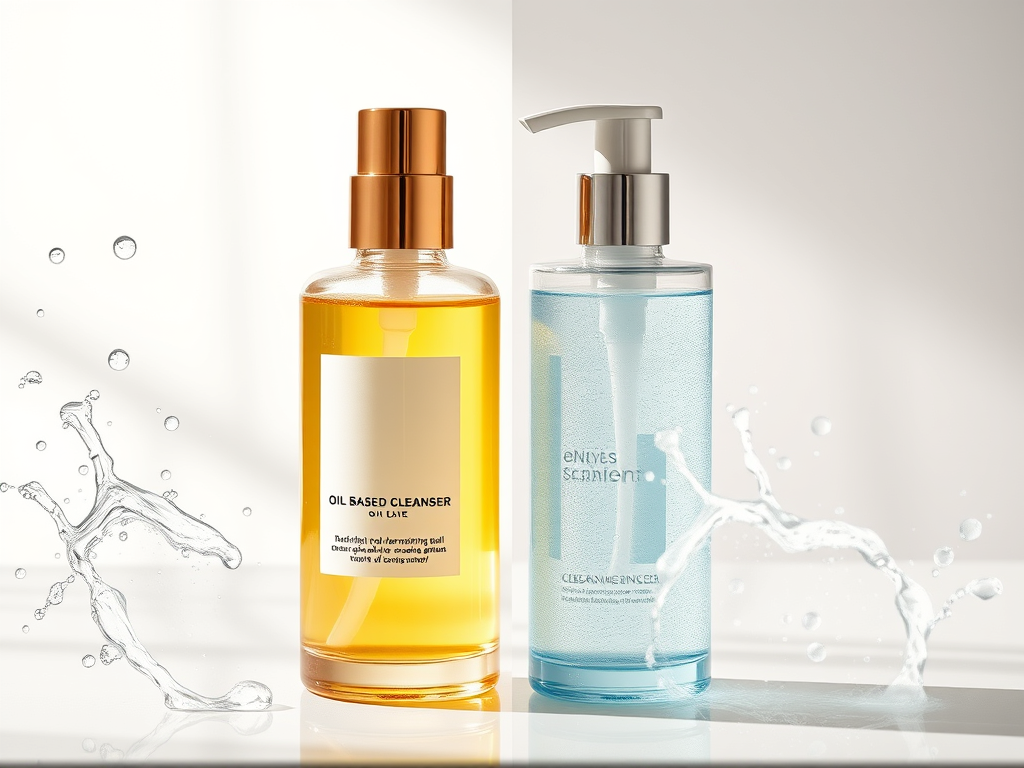
In modern Korean beauty care, achieving a luminous, translucent “glass skin” complexion begins long before applying hydrating serums or facial oils. It starts with the gold-standard ritual of Double Cleansing. This two-step cleansing protocol uses a lipid-based cleanser followed by a water-based gel or foam to thoroughly melt away stubborn daily impurities without stripping your skin barrier.
Standard single cleansers often fail to dissolve water-resistant sunscreens, silicone primers, and long-wear makeup, leaving behind a fine micro-film that dulls surface radiance and clogs T-zone pores. In this complete K-beauty routine guide, we break down the cosmetic chemistry of double cleansing, detail the exact step-by-step evening application protocol, review top-rated oil and balm pairing sets, and explain how to maintain a soft, perfectly balanced moisture barrier.
1. The Chemistry: Like Dissolves Like
The success of the double cleansing method rests on a foundational rule of chemistry: like dissolves like.
Daily surface debris falls into two chemical categories: oil-soluble and water-soluble. Water alone (or a basic water-based cleanser) cannot bind effectively to oil-soluble materials like sebum, water-resistant chemical UV filters, and silicone makeup resins.
- Step 1 (Lipid / Oil Cleanser): An emulsifying cleansing oil or balm binds directly to oil-soluble sebum, sunscreen, and cosmetics. When water is added, built-in emulsifiers turn the oil into a milky lotion that rinses away cleanly without leaving greasy residue.
- Step 2 (Water-Based Cleanser): A gentle, pH-balanced gel or foam follows up to remove water-soluble sweat, ambient dust, and lingering impurities, leaving pores freshly purposed and ready to absorb hydrating serums.
2. Step-by-Step K-Beauty Double Cleansing Protocol
Executing your evening double cleanse with correct hand pressure and emulsification technique ensures maximum surface clarity with zero mechanical friction:
Dispense 2 pumps of cleansing oil or a dime-sized scoop of cleansing balm into dry palms. Massage onto dry face for 60 seconds using circular upward motions to break down makeup, SPF, and surface sebum.
Wet hands with lukewarm water and massage again for 20 seconds. The oil or balm will immediately transform into a milky white lotion as the emulsifiers activate.
Rinse skin completely with lukewarm water until all milky emulsion is washed away. Avoid hot water, which can strip protective lipids from your moisture barrier.
Dispense a pea-sized amount of a low-pH water gel cleanser into wet hands, lather into a soft foam, massage gently over wet skin for 30–45 seconds, and rinse clean.
3. Cleanser Pairing Matrix by Skin Goal
Selecting the right texture combination for Step 1 and Step 2 ensures optimal comfort for your specific skin type:
| Skin Alignment | Step 1: First Cleanser Choice | Step 2: Second Cleanser Choice | Expected Finish |
|---|---|---|---|
| Dry or Mature Skin | Nourishing Cleansing Balm | Hydrating Cream or Jelly Cleanser | Plump, Supple & Cushion Soft |
| Combination or Oily Skin | Lightweight Plant Cleansing Oil | Low-pH Balancing Gel Cleanser | Fresh, Clean & Non-Greasy Matte |
| Sensitive & Flush-Prone Skin | Fragrance-Free Squalane / Centella Oil | Soothing Panthenol Foaming Cleanser | Calm, Hydrated & Balanced |
4. Top Reviewed Double Cleansing Duo Sets
We evaluated top-rated K-beauty first and second cleansers based on emulsification speed, makeup breakdown power, barrier pH support, and rinse-off cleanliness:
Top-Rated K-Beauty Cleansing Duos
BANILA CO Clean It Zero Original Cleansing Balm
Hero Actives: Acerola Extract, Vitamin C, Vitamin E, Botanical Oils
Finish & Texture: Sherbet-to-Oil Balm | Silky Non-Stripping Rinse
The iconic K-beauty cleansing balm that transforms from a firm sherbet texture into a silky oil upon contact with skin. It melts away waterproof makeup and heavy sunscreen in seconds, emulsifying cleanly with water without stinging eyes or leaving a cloudy film.
✗ Cons: Contains a light, pleasant signature fragrance (sensitive types should patch test).
COSRX Low pH Good Morning Gel Cleanser
Hero Actives: 0.5% Betaine Salicylate (BHA), Tea Tree Leaf Oil, Botanical Extracts
Finish & Texture: Refreshing Gel Foam | Slightly Acidic pH ~5.5
A legendary low-pH gel cleanser designed to respect skin’s natural acidic mantle (~5.5). Formulated with mild BHA and botanical extracts, it gently removes remaining impurities while keeping skin soft, fresh, and hydrated.
✗ Cons: Herbal tea tree aroma may feel herbal for those who prefer unscented cleansers.
As an Amazon Associate, I earn from qualifying purchases. Recommendations are based on independent formulation analysis.
5. How Double Cleansing Enhances Hydration Absorption
By thoroughly removing oil-soluble micro-films and pore debris without disrupting surface skin lipids, double cleansing creates the ideal canvas for your post-wash hydration routine:
- PM Only Protocol: Double cleansing is primarily an evening routine. In the morning, a simple splash of water or a quick pass with a gentle water cleanser is sufficient.
- Apply Hydrators on Damp Skin Immediately: Pat skin lightly with a towel after rinsing your second cleanser, leaving skin damp. Apply your water-binding humectants like Hyaluronic Acid or Glycerin within 60 seconds to lock in surface water. Read our full setup in the Glass Skin Layering Guide.
- Support Moisture Recovery: If your skin feels tight or compromised from harsh environment, see our step-by-step Skin Barrier Recovery Plan.
6. Frequently Asked Questions (FAQs)
Yes! Even on makeup-free days, water-resistant sunscreens, outdoor ambient air pollution, and natural sebum buildup are oil-soluble and require a lipid first-cleanser to break down completely.
No, as long as you use emulsifying cleansing oils or balms that rinse off completely with water. Unlike raw kitchen oils, cosmetic cleansing oils contain emulsifiers that bind with water to rinse away clean without residue.
No. Double cleansing is recommended once per day in the evening. Over-cleansing in the morning can strip your natural protective skin lipids.
Both are equally effective at dissolving oil-soluble debris. Cleansing balms are travel-friendly sherbets that melt on contact, while cleansing oils come in liquid pump bottles that spread easily over the face.
7. Final Verdict: Unlocking Your Cleanest Glass Skin Glow
Mastering the double cleansing method is one of the most effective upgrades you can make to your daily beauty regimen. By melting away oil-soluble makeup and sunscreen with a cleansing balm or oil first, then following with a gentle low-pH gel cleanser, you pave the way for crystal-clear skin, smooth texture, and enhanced absorption of your favorite hydrating serums and moisturizers.
To continue building your ultimate cosmetic skincare routine, explore our related guides:
- Master K-Beauty dewy skin in our Glass Skin Layering Guide.
- Rebuild a hydrated barrier in our Damaged Skin Barrier Recovery Plan.
- Compare liquid hydrators in our Snail Mucin vs. Hyaluronic Acid Guide.
- Lock in active moisture with our Best Squalane Oils Guide.
Leave a Reply