

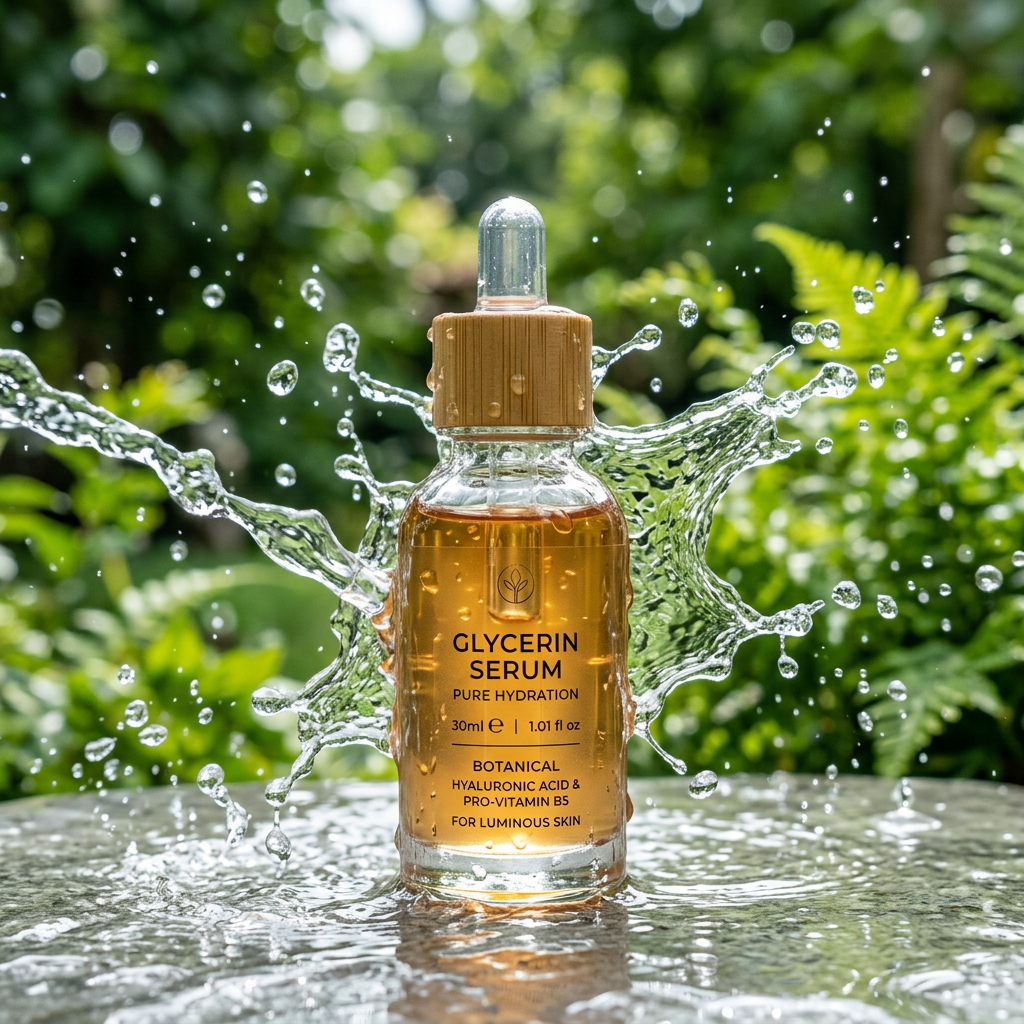
In the rapidly evolving landscape of cosmetic science, trending ingredients frequently overshadow foundational chemistry. However, when evaluating pure moisture-retention efficacy, a single compound remains the undisputed gold standard among dermatologists: glycerin. Historically classified as a simple, low-cost humectant, modern tissue-sampling and barrier-pathology research demonstrates that this small molecule does far more than just bind water on the surface layer of your skin.
Structurally known as glycerol, it is a naturally occurring trihydroxy alcohol that forms the backbone of human triglycerides. Because of its tiny molecular weight (92.1 g/mol), it possesses an unparalleled ability to penetrate deep into the stratum corneum, navigating past surface dead cells where larger molecules like high-molecular-weight hyaluronic acid cannot pass. This allows it to function as an active, physiological repair agent inside your tissue matrix.
Understanding how topical glycerin influences cell structure, enzymatic activity, and moisture channels is the key to transforming a basic hydration routine into a clinical skin-barrier therapy. By looking past its humble reputation, we can analyze the exact molecular pathways that make this powerhouse ingredient an absolute necessity for long-term skin health.
In This Guide
1. Aquaporin-3 Channels: Deep-Tissue Moisture Gateways
To fully appreciate the scope of glycerin skin benefits, we must look at its tiny molecular size. Unlike heavy polymers that simply sit on the surface of the skin, this microscopic compound glides past the outer limits of the skin barrier. It travels deep through the tight gaps of the stratum corneum via specialized cellular water gateways known as aquaporin-3 (AQP3) channels.
Once inside the tissue matrix, this intracellular solute acts like an incredibly strong water magnet. It creates highly stable hydrogen bonds with native water molecules, holding them tight inside the epidermis. Think of your skin cells as sponges; high-molecular-weight humectants merely wet the top of the pile, but glycerin travels straight through the internal pipeline to hydrate the core.
Regular application doesn’t just passively fill these cellular gateways—it actively signals the skin to up-regulate, creating more of these vital AQP3 moisture pathways over time. This dramatic increase in water channels enables your skin to continuously pump deep moisture up to the surface. This pathway ensures that water is evenly shared across all layers of the skin, maintaining structural plumpness and cellular health from the inside out rather than just creating a temporary fake glow on the absolute surface.
2. Glycerin Skin Barrier Repair: Protecting the Lipid Bilayer
Severe environmental shifts, harsh cleansers, and cold weather cause the natural oils in our skin barrier to stiffen, change shape, and crystallize. To easily visualize this, think of your skin cells as bricks and your natural lipids as the mortar holding them together. When those lipids dry out or freeze, the mortar cracks, and your essential moisture rapidly leaks out via transepidermal water loss (TEWL).
Incorporating glycerin into your routine works directly inside the skin to stop this crystallization from ever happening. It functions essentially like a biological antifreeze for your skin barrier mortar. By weaving itself cleanly between your skin’s native ceramides and fatty acids, this protective humectant keeps your barrier oils smooth, flexible, and completely fluid.
This liquid state prevents microscopic gaps from forming in your protective lipid shield. By keeping the matrix flexible, it ensures your skin can effortlessly block out external irritants, resist environmental windburn, and trap essential moisture safely inside for extended periods.
3. Enzymatic Activation: Eliminating Flaking and Dryness
When the skin looks rough, dull, and constantly flakes, it is not suffering from a lack of oil; it is experiencing a major breakdown in its natural shedding process, known as desquamation. The enzymes responsible for breaking down the tiny anchors holding dead skin cells together are completely water-dependent, meaning they completely shut down the moment skin hydration levels drop.
Utilizing topical glycerin immediately restores the fluid environment these enzymes require to perform their jobs. By rapidly elevating water levels inside the outer tissue matrix, it restarts your skin’s natural shedding cycle. Dead, dry skin cells dissolve away cleanly and evenly on their own, allowing you to achieve smooth, baby-soft skin without ever relying on aggressive facial scrubs or skin-stripping peeling acids.
4. Humectant Dynamics: Glycerin vs Hyaluronic Acid
While mainstream marketing heavily pushes large humectants, comparing their biological performance reveals a clear winner for true tissue repair work:
| Clinical Parameter | Pure Glycerin | Hyaluronic Acid (HA) |
|---|---|---|
| Molecular Weight | ~92 g/mol (Deep dermal penetration via AQP3 channels) | 10,000 to 2,000,000+ g/mol (Large polymer; sits on surface) |
| Lipid Interaction | Blends into and stabilizes native intercellular oils | Forms a film over lipids; cannot stabilize internal structures |
| Arid Climate Safety | Maintains core water binding capacity without reverse pulling | Prone to drawing deep water upward, drying out lower tissues |
5. Routine Placement: Strategic Layering Across Climate Extremes
To capture the absolute most out of this molecule, it must be integrated into a strict, layered sequence that balances water concentration with lipid seals:
Phase 1: The Aqueous Prime: Cleanse with a low-foaming gel. While your face is heavily damp with residual water, mist your skin with a thermal water spray or thin toner fluid to create a deep pool of hydration on the surface layers.
Phase 2: The Humectant Saturator: Smooth several drops of a high-concentration glycerin fluid over your face. By working this layer directly into damp skin, you allow the solute to grip that surface water, driving it deep into your tissue structures before it can evaporate into the dry air.
Phase 3: The Occlusive Canopy: Immediately seal the water-rich active down with a lipid-rich cream containing squalane, jojoba oil, or plant ceramides. This step builds an impenetrable canopy that completely blocks evaporation, locking the hydration matrix deep inside your skin for hours.
Watch: Advanced Humectant Layering Technique
To visualize the optimal rate of structural product absorption, watch the exact dynamic application vectors in the clinical skin framework demonstration below:
6. Synergistic Pairings: Maximizing Molecular Compatibility
While a standalone humectant fluid is highly effective, cosmetic ingredients achieve their highest clinical efficacy when paired to target separate layers of the skin barrier simultaneously. A well-designed formulation should combine molecules that create an immediate surface barrier cushion with smaller molecules that repair deeper cellular structures.
While hyaluronic acid creates a beautiful surface cushion, pairing it with low-molecular-weight glycerin ensures deep-tissue moisture retention that prevents the formula from pulling water back out of the skin barrier. This combination forms a comprehensive hydration matrix: the hyaluronic acid holds water at the very surface to instantly smooth fine lines, while its smaller partner drives deep into the tissue layers to sustain long-term moisture reserves and prevent dehydration-induced irritation.
7. Vetted Formulations: High-Performance Delivery Systems
While almost all moisturizers contain low amounts of this ingredient as a secondary helper, certain clinical formulations intentionally boost it to the very top of their ingredient decks to prioritize serious barrier recovery work:
Prequel Glycerin 15% Hydrating Serum
View Clinical Formulation Specs →An exceptional, high-percentage glycerin cream-fluid booster that packs a massive 15% concentration of pure, plant-derived humectant alongside soothing aloe and beta-glucan. It features an incredibly silky, non-sticky glide that deeply resolves severe, stubborn skin dehydration lines instantly.
Formulation Category: High-Concentration Aqueous Fluid
Key Active Cohort: 15% Pure Glycerin, Beta-Glucan, & Amino Acids
Texture Profile: Plush, ultra-hydrating fluid that melts into the skin barrier without stickiness
La Roche-Posay Cicaplast Baume B5+
View Clinical Formulation Specs →A world-renowned barrier recovery cream that masterfully pairs a heavy dose of this protective solute with 5% panthenol and nourishing shea butter. This dense, soothing paste forms a secure defensive layer over irritated skin, making it an absolute must-have for repairing windburn, chemical peeling damage, or severe flaking.
Formulation Category: Rich Lipid-Replenishing Balm
Key Active Cohort: High-Concentration Glycerin, 5% Panthenol, & Madecassoside
Texture Profile: Rich, protective, emollient balm built to insulate heavily damaged skin
8. Clinical Safety Profile: Support for Barrier Pathologies
When dealing with highly sensitive or reactive skin conditions, many active ingredients carry an inherent risk of triggering localized irritation, redness, or contact dermatitis. Dermatological testing looks closely at the Irritation Score of raw materials, prioritizing ingredients that provide maximum therapeutic benefit with a completely neutral skin response.
Because glycerin is inherently bio-compatible and non-comedogenic, it serves as the foundational treatment molecule for highly reactive, barrier-compromised skin pathologies. It matches the skin’s natural moisture factors so perfectly that it scores a near-zero on irritation and sensitization indexes. This makes it an ideal, safe recovery agent for individuals actively navigating severe conditions like atopic dermatitis, eczema, rosacea, or the intense dryness caused by prescription retinoid therapies.
9. Glycerin in Skincare: Frequently Asked Questions
Will using formulas with high amounts of glycerin feel heavy or uncomfortably sticky on oily skin types?
When formulated inside basic, poorly made options, high concentrations can leave behind a thick, heavy tackiness. However, modern clinical serums use advanced water-gel delivery designs that sink into the skin completely, allowing individuals with oily or combination skin to enjoy deep, weightless tissue hydration without clogging pores or triggering extra shiny t-zone oil production.
Can glycerin formulas safely protect skin during extreme freezing winter weather?
Yes. In fact, it is one of the single best ingredients for freezing temperatures. Because it modifies the physical properties of your skin’s outer moisture, it lowers the freezing point of the water stored inside your tissue layers. This action insulates the epidermis, protecting your skin cells from severe windburn, red dehydration cracking, and freezing weather irritation.
Is glycerin safe to use alongside strong prescription treatments like tretinoin?
Yes, it is highly recommended. Strong retinoids often trigger intense flaking, shedding, and irritation during their first few weeks of use. Layering a pure humectant fluid underneath your prescription cream supplies your skin with the massive pool of water your cells require to heal, dramatically reducing redness and dryness while your skin adjusts to the treatment.
Leave a Reply