

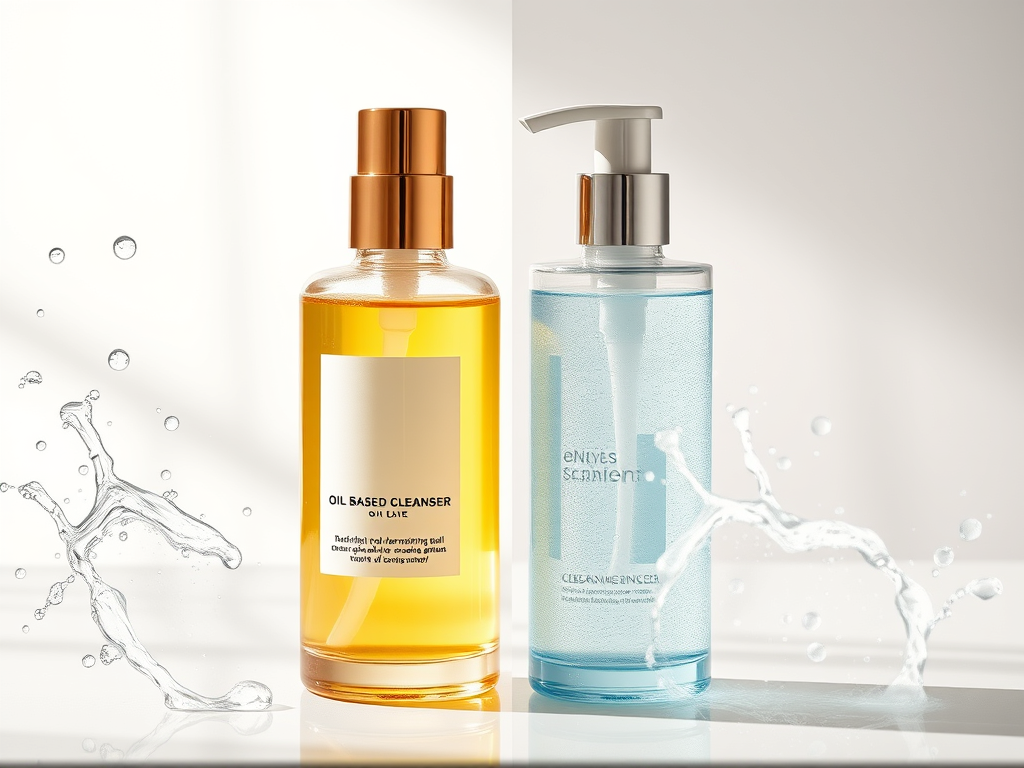
Many multi-step skincare routines prioritize high-potency actives like retinoids and vitamin C, yet overlook the fundamental baseline of dermal health: the cleansing phase. Standard single washing often fails to clear modern, high-adhesion formulations like water-resistant zinc oxide sunscreens, silicone-based primers, and stubborn, oxidized sebum. Leaving these lipophilic (oil-attracting) impurities behind creates a microscopic film that can trigger acne, accelerate free-radical damage, and severely limit the penetration of subsequent treatment serums.
The solution is a targeted double cleansing method. By leveraging fundamental rules of chemistry, this two-step process achieves complete dermal purification while fully preserving the delicate skin barrier.
In This Guide
1. The Chemistry of the Double Cleanse
2. Step 1: Lipophilic Dissolution via Oil-Based Cleanser
↳ The 10-Minute “Oil Gritting” Warning
3. Step 2: Hydrophilic Purification via Water-Based Cleanser
↳ The Environmental Factor: Hard Water Surfactant Scum
4. How to Double Cleanse: A Step-by-Step Procedure
5. Clinical Adjustments by Skin Type
↳ 5.5 Clinical Contraindications: When to Avoid the Double Cleanse
1. The Chemistry of the Double Cleanse
The biological effectiveness of a double cleanse relies entirely on the chemical rule that “like dissolves like.” Impurities on the human face are structurally divided into two distinct groups:
- Lipophilic Impurities: Excess sebum, oil-based makeup, liquid foundations, and water-resistant chemical or mineral UV filters.
- Hydrophilic Impurities: Airborne dust, sweat, environmental pollutants, and dead skin cells.
A single water-based foam or gel cleanser utilizes surfactants (surface-active agents) to reduce surface tension and wash away debris. However, highly stubborn, lipophilic substances like mineral sunscreens are specifically engineered to resist moisture. Attempting to scrub away these lipophilic layers with a harsh, high-foaming single cleanser can strip the stratum corneum (the outermost layer of skin) of its vital structural lipids—namely ceramides, cholesterol, and free fatty acids. Dividing the process into two scientifically distinct steps cleanses the skin with zero friction or barrier disruption.
2. Step 1: Lipophilic Dissolution via Oil-Based Cleanser
The initial step requires applying a high-quality oil-based cleanser (either a lightweight cleansing oil or a solid cleansing balm) directly to completely dry skin. As you gently massage the oil across your dry skin, it blends seamlessly with your face’s surface oils, melting down hardened sebum plugs trapped within the pores.
The magic happens when you introduce lukewarm water. High-quality cleansing oils are formulated with gentle emulsifiers. When water hits the skin, these emulsifiers transform the transparent oil into a milky fluid. This process, known as emulsification, encapsulates the dissolved oil-soluble impurities within water-soluble structures, allowing them to rinse away completely without leaving a greasy residue.
| Cleanser Type | Key Lipid Bases | Best Suited For |
|---|---|---|
| Cleansing Oil | Caprylic/Capric Triglyceride, Jojoba Oil, Sunflower Seed Oil | Oily, Combination, Acne-Prone Skin |
| Cleansing Balm | Cetyl Ethylhexanoate, Shea Butter, Synthetic Wax | Dry, Dehydrated, Sensitive Skin |
The 10-Minute “Oil Gritting” Warning
Do not succumb to the viral social media trend of massaging a cleansing oil into your skin for 10, 15, or 20 minutes to force out “pore grits” or sebaceous filaments. Extended physical massaging creates severe mechanical friction across the stratum corneum. This prolonged rubbing degrades your skin’s protective lipid barrier, drives surface inflammation deep into the hair follicles, and can trigger friction-induced dermatitis or severe cystic breakouts.
To keep your skin safe, limit your oil massage phase to 60 seconds maximum. This is more than enough time for the lipophilic base to chemically dissolve surface debris without causing physical stress to the tissue.
3. Step 2: Hydrophilic Purification via Water-Based Cleanser
Once the oil phase has lifted the heavy, oil-soluble shield, your skin is ready for the water-based cleanser (such as a gentle gel, milk, or light foam). With the lipophilic barrier removed, this second cleanser easily reaches the actual skin surface. It targets water-soluble pollutants, sweat, and residual debris, while sweeping away any remaining emulsified oil particles.
To keep your skin healthy, choose a water-based cleanser with a slightly acidic pH value—ideally between 4.5 and 5.5. Washing with a high-pH, alkaline soap strips the skin’s acid mantle, which weakens the barrier and creates an environment where acne-causing bacteria can thrive. A low-pH formula keeps the skin barrier perfectly balanced and resilient.
The Environmental Factor: Hard Water Surfactant Scum
Your water-based second cleanse can be heavily impacted by the mineral content of your tap water. If your home has hard water—meaning it contains high levels of dissolved calcium and magnesium ions—these minerals chemically bind with the surfactants in your water-based cleanser. Instead of creating a clean lather that rinses away, this reaction forms an insoluble mineral film known as “surfactant scum” that clings to your skin barrier.
This microscopic film clogs pores, alters your skin’s optimal acidic pH, and blocks your follow-up serums from absorbing properly. If you live in a hard water area, always opt for water-based cleansers formulated with chelating agents (such as Disodium EDTA or Tetrasodium EDTA), which chemically bind to and neutralize these minerals, ensuring a completely clean rinse.
4. How to Double Cleanse: A Step-by-Step Procedure
Apply to Dry Skin
Dispense a quarter-sized amount of your cleansing oil or balm onto completely dry hands and smooth it over your dry face. Massage gently in upward, circular motions for roughly 60 seconds, focusing on areas with heavy sunscreen, makeup, or congestion (like the nose and chin).
Emulsify with Water
Wet your hands with lukewarm water and continue massaging your face. The product will immediately turn into a milky emulsion. Rinse thoroughly with lukewarm water. Do not dry your skin yet.
Apply Water-Based Cleanser
Dispense your non-stripping water-based gel or milk cleanser onto your damp hands. Work it into a soft lather, apply it to your wet face, and massage gently for 30 to 60 seconds.
Final Rinse & Dry
Rinse thoroughly with lukewarm water, ensuring no surfactant residue remains along the hairline or jawline. Gently pat the skin dry with a clean microfiber towel, then immediately apply your hydrating toners or essences while the skin is still damp.
5. Clinical Adjustments by Skin Type
A double cleanse phase is typically only necessary during your evening (PM) routine to fully remove sunscreen, makeup, and daily pollutants. A single, gentle water-based wash or a simple water rinse is usually sufficient in the morning.
Double Cleanse for Acne & Oily Skin
There is a common misconception that individuals with oily or acne-prone skin should avoid cleansing oils. In reality, sebum is highly lipophilic; a lightweight cleansing oil formulated with non-comedogenic bases (such as safflower or jojoba oil) is exceptionally effective at breaking down hardened sebum plugs inside pores, directly helping to reduce blackheads and breakouts. Follow this with a water-based gel containing salicylic acid (BHA) to deeply clear out pore pathways.
Sensitive & Dry Skin Types
If you have dry or compromised skin, look for cleansing balms rich in soothing lipids, and follow up with a non-foaming, milk or lotion-based secondary cleanser infused with glycerin and ceramides. This combination purifies the skin completely without disrupting its natural moisture balance.
5.5 Clinical Contraindications: When to Avoid the Double Cleanse
While a double cleanse is an exceptional tool for healthy, congested, or makeup-wearing skin, it is not universally required and can be counterproductive for specific skin conditions. If you are experiencing an acute rosacea flare-up, active facial eczema, or a severely compromised skin barrier (characterized by burning, stinging, and visible flaking), you should suspend the double cleanse method entirely.
In these highly reactive states, your skin’s lipophilic barrier is already depleted. Exposing your face to two consecutive surfactant phases—and the associated water exposure—increases transepidermal water loss (TEWL) and washes away the few protective lipids your skin has left. During a barrier crisis, strip your routine back to a single wash using a non-foaming, lipid-replenishing milk or cream cleanser until the tissue has fully healed.
6. Dermal Purification: Frequently Asked Questions
Can I use micellar water as my first cleanse in a double cleansing routine?
Yes. Micellar water utilizes tiny clusters of microscopic surfactant molecules (micelles) suspended in soft water. The lipophilic tails of these micelles act similarly to a cleansing oil by attracting and grabbing onto surface oils, makeup, and sunscreens. To use it as your first step, thoroughly saturate a soft cotton pad and sweep it gently across your dry face before following up with your standard water-based cleanser.
Will double cleansing cause my skin to purge or break out?
If your products are properly formulated, double cleansing should reduce breakouts rather than cause them. However, if you experience a sudden flare-up after introducing this method, it is typically due to one of two factors: either your oil cleanser lacks proper emulsifiers (leaving behind a pore-clogging film), or its botanical oil base contains highly comedogenic ingredients (like coconut oil or ethylhexyl palmitate). Ensure your formula uses clean, low-comedogenic esters like caprylic/capric triglyceride and rinses away completely milk-white.
Do I need to double cleanse if I didn’t wear makeup or sunscreen today?
Generally, no. If you spent the entire day indoors away from UV exposure, skipped makeup, and have normal-to-dry skin, a single gentle water-based cleanse in the evening is more than enough. Double cleansing is specifically engineered to target high-adhesion, water-resistant layers. Over-cleansing your skin when these layers aren’t present can needlessly fatigue your lipid barrier.
7. Conclusion: Non-Stripping Dermal Discipline
By choosing products that match your skin’s unique chemistry, the double cleansing method ensures your skin is genuinely clean and balanced. It replaces aggressive, barrier-stripping physical scrubbing with smart molecular dissolution, preserving your vital acid mantle while thoroughly clearing out congested pore pathways.
Removing the daily shield of water-resistant sunscreens and oxidized sebum allows your subsequent treatment serums to absorb effortlessly. Treat your cleansing steps with the same scientific discipline you reserve for your active retinoids and peptides. When your purification framework is built on sound chemistry, your skin responds with a calm, clear, and perfectly resilient canvas.
Leave a Reply