

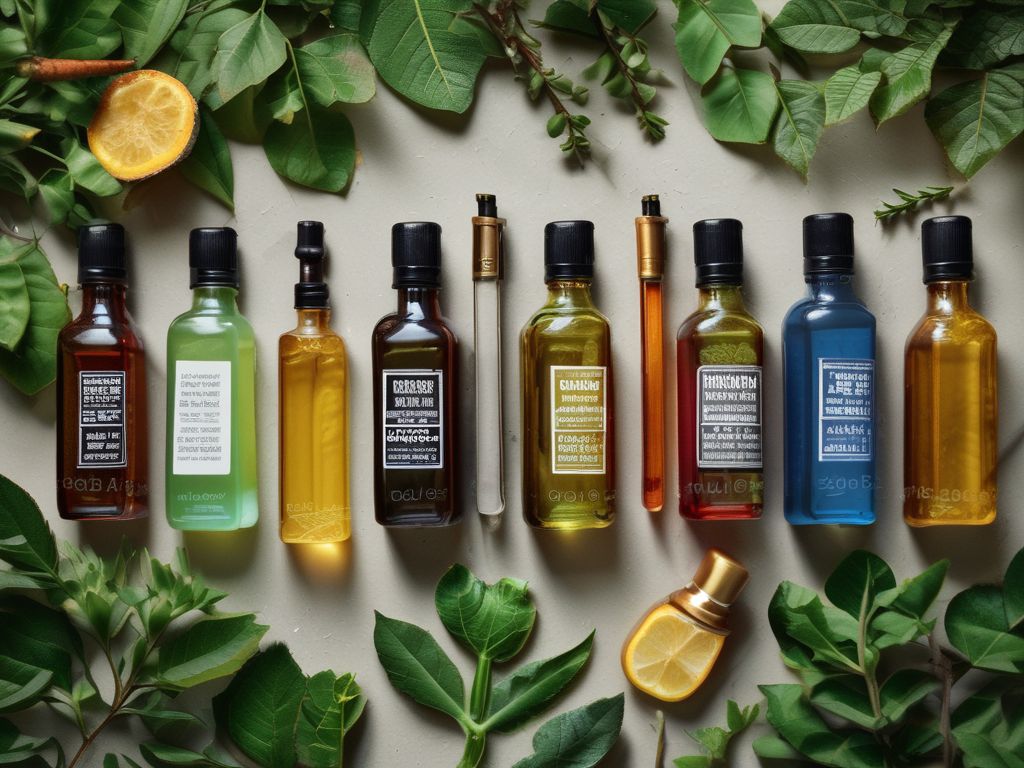
From restoring compromised moisture barriers to repairing heat-damaged hair, cold-pressed plant lipids have become indispensable tools in modern dermatological care. The benefits of natural oils extend far beyond basic surface moisture: when chosen correctly, unrefined botanical oils deliver essential fatty acids, lipid-soluble vitamins, and potent anti-inflammatory compounds directly to skin and hair cells.
However, using the wrong natural oil for your skin type or hair porosity can quickly result in clogged pores, heavy buildup, or persistent dryness. In this comprehensive pillar guide, we break down the lipid chemistry of natural oils, compare fatty acid ratios, highlight top multi-purpose botanical lipids, and detail exact application steps for optimal skin and hair health.
The Science: How Botanical Oils Work
Unlike synthetic mineral oils that sit inertly on top of the epidermis, natural plant oils contain biologically active compounds that integrate into the skin’s intercellular matrix and hair cuticles:
- Triglycerides & Essential Fatty Acids (EFAs): Plant lipids supply Omega-3, Omega-6, and Omega-9 fatty acids that rebuild cracked stratum corneum layers, preventing transepidermal water loss (TEWL). Learn how ingredients integrate in our Skincare Ingredient Pairing Guide.
- Unsaponifiable Compounds: Plant sterols, squalene, and carotenoids contained in cold-pressed oils soothe active skin inflammation, neutralize free radicals, and support skin elasticity.
- Vitamin E (Tocopherols): Lipid-soluble antioxidants that protect skin cells from environmental oxidative stress and defend hair fibers from mechanical damage.
Oleic vs. Linoleic Acid: Matching Your Skin
Understanding an oil’s primary fatty acid structure dictates which skin type it benefits most:
High Oleic Acid Oils (Omega-9)
Best For: Dry, Mature & Coarse Hair. Oleic acid is rich, heavy, and highly occlusive. It deeply conditions dry lipid barriers and smooths thick hair strands. Examples include Marula Oil and Avocado Oil.
High Linoleic Acid Oils (Omega-6)
Best For: Oily, Acne-Prone & Fine Hair. Linoleic acid is thin, fast-absorbing, and non-comedogenic. It thins out sticky sebum inside pores to prevent acne flare-ups. Examples include Grapeseed Oil and Rosehip Oil.
Master Natural Oils Lipid Comparison Matrix
Compare the natural benefits, lipid types, comedogenic scores, and target matches of top botanical oils:
| Botanical Oil | Primary Fatty Acid | Comedogenic Score | Best Skin Match | Best Hair Match |
|---|---|---|---|---|
| Argan Oil | Balanced Oleic / Linoleic | 0 | Sensitive & Barrier-Damaged | Medium/Coarse Frizzy Hair |
| Grapeseed Oil | High Linoleic (~70%) | 1 | Oily, Reactive & Acne-Prone | Fine & Low-Porosity Hair |
| Sweet Almond Oil | Oleic-Dominant (~65%) | 2 | Dry & Normal Skin | Scalp Massage & Dry Ends |
| Jojoba Oil | Liquid Wax Ester | 2 | Combination & Sebum-Imbalanced | Oily Scalp & Daily Shine |
| Marula Oil | High Oleic (~75%) | 3–4 | Severely Dry & Aging Skin | Thick & Coarse Hair Repair |
5 Top Natural Oils for Face, Scalp & Hair
Here is how the top five cold-pressed botanical oils function across your beauty routine:
- 1. Argan Oil (Liquid Gold): Highly balanced, zero-comedogenic lipid rich in Ferulic acid and Vitamin E. Perfect for sensitive skin redness and frizz control. Explore top picks in our Best Face Oils Guide or Argan Shampoos & Conditioners Guide.
- 2. Grapeseed Oil (Lightweight Shield): Ultra-high in linoleic acid and polyphenols. Absorbs instantly without greasy residue, making it ideal for acne-prone skin and fine hair strands.
- 3. Sweet Almond Oil (Gentle Emollients): Packed with Vitamin E and zinc. Excellent for soothing dry patches, body massage, and nourishing scalp tightness.
- 4. Jojoba Oil (Sebum Mimic): Biomimetic liquid wax ester that tricks skin into normalizing excess oil production while loosening hardened pore sebum.
- 5. Marula Oil (Deep Lipid Nourishment): Rich in oleic acid and amino acids. Delivers intense moisture to cracked, mature, or severely dry skin barriers.
How to Apply Natural Oils (Step-by-Step)
Follow these steps to ensure natural oils absorb deeply without triggering surface congestion or hair limpness:
Facial Skincare Routine: The Moisture Lock
Face Care
1. Cleanse face with a gentle wash (see our best face washes list).
2. Apply water-based hydrating essences or toners onto damp skin.
3. Apply cream moisturizer (see our best moisturizers list).
4. Warm 2 drops of your targeted natural oil in your palms and press gently into your face to lock in hydration.
Hair & Scalp Care Routine: Strand Sealing
Hair Care
• Pre-Shampoo Scalp Massage: Warm 1 tablespoon of oil, massage into dry scalp for 5 minutes, leave for 30 minutes, then wash out.
• Leave-In End Sealer: Rub 1–2 drops between palms and smooth over clean, towel-dried damp hair ends before air-drying or heat styling.
Frequently Asked Questions (FAQs)
Always choose 100% pure, unrefined, cold-pressed oils packaged in dark glass bottles. Heat refining strips delicate Vitamin E, antioxidants, and essential fatty acids.
No. Natural oils are occlusives and emollients, meaning they seal in water but do not contain water themselves. You still need a water-based moisturizer or hydrating toner beneath your oil layer.
Yes, as long as you choose high-linoleic, low-comedogenic oils (Rating 0 to 1) like Grapeseed Oil or pure Squalane Oil that balance sebum without clogging pores.
Final Takeaway: Harnessing Botanical Lipids
Unlocking the true benefits of natural oils requires matching the oil’s fatty acid profile to your specific skin barrier needs and hair porosity. Use linoleic-rich oils for oily/acne-prone skin, balanced oils like Argan for sensitive barrier repair, and oleic-rich oils for deep hydration.
👉 Check complete safety scores for all carrier oils in our Comedogenic Scale for Face Oils Guide.
Leave a Reply