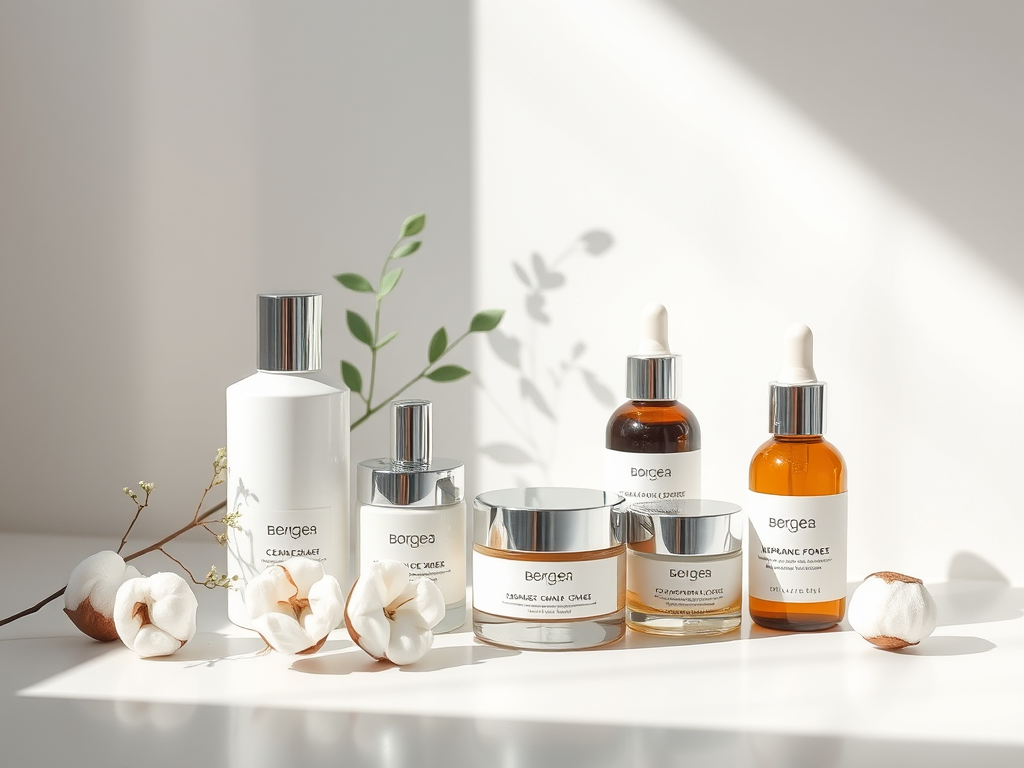
In a world saturated with captivating scents, from blooming florals to cozy vanillas, it’s easy to be drawn to skincare products that promise a delightful sensory experience. But what if that beautiful aroma is secretly sabotaging your skin health, leading to unexplained redness, itching, or breakouts? For many, fragrance in skincare is a primary culprit behind these common skin woes. It’s time to explore the serene and highly beneficial world of fragrance-free skincare – a conscious choice that prioritizes skin health, barrier integrity, and tranquility above all else.
Often hidden under generic terms like “Parfum” or “Aroma,” fragrance is one of the most common causes of skin sensitivities and allergies. Understanding its impact is crucial for nurturing a calm, comfortable, and truly healthy complexion. This comprehensive guide will illuminate why going fragrance-free might be the best decision you make for your skin, especially if you deal with sensitive skin conditions, are prone to allergies, or simply crave a gentler, more effective routine that lets active ingredients shine. Discover how to identify genuinely fragrance-free products and pave the way for lasting skin serenity. For a broader exploration of transparent and responsible choices in beauty, consult our Ultimate Guide to Clean Beauty Skincare. For a complete guide to understanding and managing sensitive skin, including its impact on pore care, explore our foundational Sensitive Skincare: Your Complete Guide to Understanding, Calming, and Caring for Reactive Skin.
Table of Contents
- What Exactly IS “Fragrance” in Skincare? The Hidden Complexities
- “Natural” vs. Synthetic Fragrance: Is One Safer?
- Why Fragrance is Often a Problematic Ingredient
- Who Benefits Most from a Fragrance-Free Routine?
- Decoding Labels: “Fragrance-Free” vs. “Unscented” – The Crucial Difference!
- Common Fragrance Allergens to Watch Out For
- The Beautiful Benefits of Going Fragrance-Free
- Making the Switch: Tips for a Smooth Transition
- Building a Fragrance-Free Skincare Routine
- Beyond Facial Skincare: Hidden Fragrances in Your Environment
- What to Look For in Quality Fragrance-Free Products
- Common Myths About Fragrance-Free Skincare Debunked
- When to See a Dermatologist
- Frequently Asked Questions (FAQs) About Fragrance-Free Skincare
- Conclusion: Embrace the Calm, Embrace Your Skin
Prioritize skin health with gentle, effective fragrance-free formulations.
What Exactly IS “Fragrance” in Skincare? The Hidden Complexities
When you see “Fragrance,” “Parfum,” or “Aroma” listed on an ingredient list (INCI list), it’s rarely a single substance. More often, it’s a complex cocktail of dozens, sometimes hundreds, of synthetic chemicals or natural essential oils and their individual aromatic components. Manufacturers use fragrance for several reasons: to give a product a desirable scent, to create a brand identity, or to mask the less pleasant natural odors of other raw ingredients.
Critically, under labeling regulations in many regions (often referred to as the “fragrance loophole”), companies aren’t required to disclose these individual scent ingredients. They can be lumped under a generic term to protect proprietary formulas. While some fragrances are benign, many contain common allergens and irritants. This lack of transparency makes it challenging for consumers to identify specific problematic ingredients.
[Image: A magnified illustration of a generic “fragrance” bottle with many different, tiny molecules (representing chemicals) swirling inside, symbolizing complexity and hidden ingredients.]
Alt Text: Illustration of a fragrance bottle with many chemical molecules, representing the hidden complexities of “fragrance” in skincare ingredient lists.
The term “Fragrance” or “Parfum” on an INCI list can hide dozens of scent chemicals.
“Natural” vs. Synthetic Fragrance: Is One Safer?
There’s a common misconception that “natural” fragrances, primarily derived from natural essential oils, are inherently safer or gentler than synthetic ones. However, this isn’t necessarily true. Essential oils are highly concentrated plant extracts containing potent volatile compounds. While they offer beautiful natural scents, many (like lavender, tea tree, citrus oils, peppermint) are also well-documented skin sensitizers and can cause significant irritation or allergic reactions in susceptible individuals.
The terms “natural” and “synthetic” don’t automatically equate to “safe” or “harmful.” Both types can contain potential irritants. The key is the specific chemical components within the fragrance, whether plant-derived or lab-created. For truly sensitive skin, avoiding all added fragrance is often the safest approach.
Why Fragrance is Often a Problematic Ingredient
Despite adding a pleasant sensory experience, fragrance offers no direct benefit to skin health. Instead, it carries several potential risks:
1. The Leading Cause of Contact Dermatitis
Fragrance is consistently ranked as one of the top allergens in cosmetic products. It can cause irritant contact dermatitis (a direct inflammatory reaction) or allergic contact dermatitis (an immune response after sensitization), leading to symptoms like redness, itching, burning, stinging, and dry, flaky patches.
2. Skin Barrier Disruption & Inflammation
Even if you don’t experience an immediate, visible reaction, chronic exposure to fragrance can cause subclinical irritation. This means it can silently weaken your skin barrier over time, making your skin more vulnerable to environmental aggressors, transepidermal water loss (TEWL), and increasing overall sensitivity and reactivity. This subtle, ongoing inflammation can also contribute to premature skin aging.
3. No Intrinsic Skin Benefit
Importantly, fragrance adds no direct therapeutic benefit to the skin itself. Its purpose is purely aesthetic or to mask other odors, making it an unnecessary risk for reactive complexions.
[Image: A conceptual image of a “damaged skin barrier” (e.g., brick wall with crumbling mortar) caused by fragrance, leading to inflammation and irritants entering.]
Alt Text: Illustration of a damaged skin barrier due to fragrance in skincare, leading to increased irritation and inflammation.
Fragrance can disrupt the skin barrier and cause silent irritation.
Who Benefits Most from a Fragrance-Free Routine?
While anyone can benefit from reducing unnecessary chemical exposure, certain groups will notice a more significant improvement:
- Individuals with Sensitive Skin: This is the most obvious group. If your skin reacts easily to new products, becomes red, itchy, or stings, fragrance is a highly likely trigger. For a complete guide to sensitive skincare, see Sensitive Skincare: Your Complete Guide to Understanding, Calming, and Caring for Reactive Skin (Your Sensitive Skin Pillar).
- Those with Allergy-Prone Skin: If you have a history of allergies (hay fever, food allergies, asthma), you might be more susceptible to developing fragrance allergies.
- People with Skin Conditions: Those with eczema (atopic dermatitis), rosacea, psoriasis, perioral dermatitis, or chronic skin inflammation should strictly avoid fragranced products.
- Post-Procedure Skin: After dermatological treatments like chemical peels, laser resurfacing, or microneedling, the skin is temporarily compromised and highly vulnerable. Fragrance-free products are essential during this healing phase. For information on professional treatments, see Professional Pore Treatments: When to See a Dermatologist for Minimizing Pores.
- Babies and Children: Their skin is thinner, more permeable, and their immune systems are still developing, making them more vulnerable to irritants and potential sensitization.
- Anyone Seeking a Minimalist or “Clean” Skincare Approach: Reducing unnecessary additives aligns with a desire for simpler, more focused formulations where active ingredients are the priority.
- Those Wanting to Maximize Active Ingredient Efficacy: By removing potential irritants, you allow your skin to better receive and utilize the beneficial active ingredients in your serums and treatments.
[Image: A diverse group of people (representing various skin types, ages, and sensitivities) looking calm and happy, symbolizing broad benefits of fragrance-free skincare.]
Alt Text: Diverse individuals benefiting from fragrance-free skincare, representing various skin types and conditions.
Many skin types, especially sensitive and condition-prone ones, thrive on fragrance-free care.
Decoding Labels: “Fragrance-Free” vs. “Unscented” – The Crucial Difference!
This is where it gets tricky, and understanding the terminology is key to making informed choices:
- Fragrance-Free: This is what you want to see. It means no synthetic or natural fragrances have been added to mask odors or impart a scent. The product might have a subtle smell from its raw ingredients, but no fragrance components.
- Unscented: This term can be highly misleading. “Unscented” means the product has no noticeable scent, but it might contain masking agents (often fragrances themselves) to neutralize the natural smell of the ingredients. Always check the ingredient list for “Parfum” or “Fragrance” even on “unscented” products.
Quick Label Check:
Always prioritize “Fragrance-Free.” If you see “Unscented,” be extra vigilant and check the INCI list for any terms like “Fragrance,” “Parfum,” “Aroma,” or known fragrance allergens.
Your best bet? Always check the INCI list. The absence of “Fragrance,” “Parfum,” “Aroma,” and specific essential oils or known fragrance allergens (see next section) is a good sign.
Common Fragrance Allergens to Watch Out For (Even in “Unscented” Products)
Even if a product doesn’t list “Fragrance” or “Parfum,” it might contain individual fragrance components known to be common allergens. Regulations in some areas (like the EU) require the listing of specific common fragrance allergens if they are present above a certain concentration. Keep an eye out for these on ingredient lists:
- Linalool
- Limonene
- Geraniol
- Citronellol
- Cinnamal (Cinnamic Aldehyde)
- Eugenol
- Citral
- Coumarin
- Hydroxycitronellal
- Benzyl Salicylate
- Benzyl Alcohol (can be a preservative but also a fragrance component)
- Amyl Cinnamal
- Isoeugenol
- Oak Moss Extract (Evernia Prunastri Extract)
- Tree Moss Extract (Evernia Furfuracea Extract)
This is not an exhaustive list, but these are frequently cited. If you know you’re sensitive to a specific component, you’ll need to scrutinize labels carefully.
[Video Embed: A short video titled “Decoding Skincare Labels: Spotting Hidden Fragrance Allergens.” Show close-ups of ingredient lists and highlight the terms mentioned.]
Video Description: Learn how to effectively read skincare labels to identify hidden fragrance allergens, even in “unscented” products, for sensitive skin.
The Beautiful Benefits of Going Fragrance-Free
Switching to a scent-free skincare regimen offers more than just avoiding irritation; it’s an investment in your skin’s overall health and resilience:
- Significantly Reduced Irritation and Sensitivity: The most immediate and noticeable benefit is calmer, happier, less reactive skin. Less redness, itching, stinging, and discomfort.
- Healthier, More Robust Skin Barrier: Without the constant assault from potential irritants, your skin’s natural protective barrier can repair and strengthen itself. This leads to better hydration retention, reduced transepidermal water loss (TEWL), and increased resilience against environmental stressors.
- Better Focus on Active Ingredients: Fragrance-free products often prioritize effective, skin-nurturing ingredients like ceramides, hyaluronic acid, niacinamide, peptides, and antioxidants. Your skin can focus on utilizing these beneficial actives without the interference of potential irritants. Read more about key skincare ingredients and their benefits in Niacinamide for Skin: Your Multi-Tasking Hero Beyond Hydration – Benefits and Uses for All Skin Types (Your Niacinamide Pillar).
- Less Risk of Developing New Sensitivities: By avoiding common fragrance allergens, you reduce the likelihood of your skin developing new sensitivities or full-blown allergies over time.
- Simpler, More Mindful, and Effective Routine: It encourages you to focus on what your skin truly needs based on its condition and goals, not just what smells appealing. This often leads to a more streamlined and effective regimen.
- Reduced “Skincare Roulette”: When your skin reacts, fragrance is a major variable. Eliminating it makes it easier to pinpoint other potential culprits if issues arise.
- Reduced Photosensitivity Risk: Certain fragrance ingredients can make your skin more sensitive to sunlight (phototoxic). Eliminating these reduces that risk.
Making the Switch: Tips for a Smooth Transition to Fragrance-Free Skincare
Ready to embrace the calm and let your skin breathe? Here’s how to transition smoothly:
- Audit Your Current Stash: Diligently check the ingredient lists of all your current products – cleansers, toners, serums, moisturizers, sunscreens, face masks, and even makeup. Identify which ones contain fragrance.
- Start Slow & Prioritize: You don’t need to replace everything at once, which can be overwhelming and expensive. Begin by swapping out products that stay on your skin the longest (leave-on products) like moisturizers, serums, and sunscreens. Then, move to rinse-off products like cleansers.
- Introduce One New Product at a Time: When adding a new fragrance-free product, introduce it slowly (e.g., every other day for a week) to see how your skin adapts. This helps isolate any potential reaction to other ingredients.
- Patch Test New Products Meticulously: Even if a product is labeled “fragrance-free” and “for sensitive skin,” always patch test it. Apply a small amount to an inconspicuous area (like behind your ear, on your inner arm, or along the jawline) for 24-72 hours to check for any adverse reaction before applying it to your entire face. Learn how to patch test effectively.
- Read Ingredient Lists (INCI) Religiously: Become an INCI detective! Don’t just rely on front-of-package claims.
- Look for Reputable Brands & Certifications: Some brands specialize in sensitive skincare and have robust fragrance-free lines. Certifications like the National Eczema Association Seal of Acceptance™ can also be helpful indicators, as they often screen for fragrance.
- Be Patient: If your skin has been irritated by fragrance, it may take some time (days to weeks) for it to fully calm down and for you to see the benefits of your new routine.
Building a Fragrance-Free Skincare Routine
Once you’ve made the switch to fragrance-free products, here’s how to structure your everyday routine for optimal skin health, ensuring efficacy and maximum comfort:
- Gentle Cleansing: Start with a mild, fragrance-free, non-foaming cleanser. Avoid harsh scrubbing or hot water, which can strip the skin barrier. For a deep clean, consider The Art of Double Cleansing: Your Ultimate Guide to a Deeper, Clearer Clean.
- Toner/Essence (Optional): If using, choose a hydrating, alcohol-free, fragrance-free toner or essence. Apply to slightly damp skin.
- Serums: Apply your targeted fragrance-free serums (e.g., Hyaluronic Acid serum for hydration, Niacinamide serum for redness reduction and barrier support, Vitamin C serum for brightening and antioxidant benefits). Always follow the skincare layering order of thinnest to thickest consistency, allowing absorption time between steps. For insights into combining actives, see Layering Actives: Safely Combining BHAs, Niacinamide & Retinol in Your K-Beauty Routine.
- Eye Cream (Optional): Gently apply a fragrance-free eye cream to the delicate eye area.
- Moisturizer: Apply your chosen fragrance-free face cream (day and/or night). This is your essential step to seal in moisture and protect the skin barrier. Choose a texture appropriate for your skin type (e.g., gel for oily skin, rich cream for dry skin).
- Sunscreen (AM, Non-Negotiable): Always finish your morning routine with a broad-spectrum SPF 30+. Ensure it’s a fragrance-free formula, preferably mineral (Zinc Oxide/Titanium Dioxide) for very sensitive skin.
- Night Treatments: If incorporating actives like retinol, choose a fragrance-free retinol and apply it at night, following proper layering rules (e.g., the Retinol Sandwich Method). For comprehensive retinol guidance, see Retinol: Your Ultimate Guide to Radiant, Youthful Skin (and How to Use It Right!).
[Video Embed: A short video demonstrating how to build a simple, fragrance-free skincare routine, showing product application and emphasizing gentle technique.]
Video Description: Learn to build a simple, fragrance-free skincare routine suitable for sensitive skin, showcasing product application and gentle care.
Beyond Facial Skincare: Hidden Fragrances in Your Environment
It’s not just your facial skincare! Fragrances in other everyday products can also contribute to skin sensitivity or trigger reactions, especially on the face and neck due to transfer or airborne exposure:
- Hair Care: Shampoos, conditioners, styling products often contain strong fragrances that can drip onto the face or transfer from hair to skin/pillowcases.
- Body Lotions & Washes: What you use on your body can affect sensitive areas.
- Laundry Detergents & Fabric Softeners: Residues on clothes, towels, and pillowcases are in direct contact with your skin. Consider hypoallergenic laundry detergent.
- Hand Soaps & Sanitizers: Frequent use can irritate hands, and fragrance can exacerbate this.
- Perfumes & Body Sprays: Obvious sources, but be mindful of spraying them near your face or on clothes that touch sensitive skin.
- Household Cleaners & Air Fresheners: Airborne fragrance particles can settle on skin or be inhaled, potentially causing issues for highly sensitive individuals.
If you have very reactive skin, you might need to evaluate these sources as well. Prioritizing fragrance-free options across the board can make a big difference. For more on how environmental and lifestyle factors impact your skin, see Beyond Skincare: Lifestyle Hacks for Clearer Pores & Healthier Skin.
What to Look For in Quality Fragrance-Free Products
- Clear “Fragrance-Free” Labeling: As discussed, this is the best starting point (but always verify with the INCI list).
- Minimal & Transparent Ingredient Lists: Often, simpler formulas with clearly listed ingredients are gentler and easier to troubleshoot.
- Soothing, Hydrating & Barrier-Repairing Ingredients: Look for products rich in ingredients like Glycerin, Squalane, Ceramides, Hyaluronic Acid, Panthenol (Pro-Vitamin B5), Allantoin, Centella Asiatica (Cica), and Colloidal Oatmeal.
- Appropriate Packaging: Airless pumps or opaque tubes can help protect sensitive formulations and active ingredients from degrading due to light and air exposure, which is often a consideration in well-formulated products.
- Reputable Brands for Sensitive Skin: Look for brands known for their commitment to formulating for sensitive or reactive skin types.
Seek out products with clear labeling, beneficial ingredients, and thoughtful packaging.
Common Myths About Fragrance-Free Skincare Debunked
- Myth 1: “Fragrance-free skincare smells bad.”
- Reality: Not true. Some products may have a faint, neutral scent from their natural ingredients, but truly fragrance-free products are formulated to have no added scent, meaning no “bad” smell either. The absence of a strong scent is actually a positive sign of purity for sensitive skin.
- Myth 2: “Natural fragrance (essential oils) is always safe for sensitive skin.”
- Reality: False. As discussed, many essential oils contain highly allergenic compounds. For sensitive skin, natural fragrances can be just as, if not more, irritating than synthetic ones. Always treat all forms of added scent with caution.
- Myth 3: “Only sensitive skin types need fragrance-free products.”
- Reality: While sensitive skin reacts most visibly, anyone can experience subclinical irritation from fragrance that may not show up as obvious redness or stinging but can still contribute to a weakened skin barrier and long-term inflammation. Choosing fragrance-free is a good preventative measure for all skin types to maintain optimal skin health.
- Myth 4: “Fragrance-free products are boring and less luxurious.”
- Reality: The market for fragrance-free skincare has exploded, with numerous high-performance, elegantly formulated products from luxury to drugstore brands. Many embrace sophisticated textures and effective active ingredients, proving that efficacy and pleasant feel don’t require added scent.
When to See a Dermatologist
While switching to fragrance-free skincare can resolve many irritation issues, it’s important to consult a board-certified dermatologist if:
- Your skin irritation is severe, persistent, or worsening despite eliminating fragrance.
- You suspect an allergic reaction but can’t pinpoint the cause.
- You have symptoms of a chronic skin condition like eczema, rosacea, or psoriasis.
A dermatologist can help diagnose the issue, perform patch testing to identify specific allergens (including fragrance components), and recommend appropriate treatments or a tailored skincare routine.
[Image: A professional image of a dermatologist talking to a patient, emphasizing expert consultation for persistent sensitive skin or suspected fragrance allergies.]
Alt Text: Dermatologist consulting with a patient about severe skin irritation and potential fragrance allergies.
Ready to Calm Your Skin?
Frequently Asked Questions (FAQs) About Fragrance-Free Skincare
Q: Will fragrance-free products have NO smell at all?
A: Not necessarily. “Fragrance-free” means no fragrances have been added to give the product a scent or to mask other scents. However, the raw ingredients themselves (like botanical extracts or certain oils included for their skincare benefits, not their scent) might have their own natural, inherent odor. This is different from a product that is “unscented,” which might use masking fragrances to achieve no smell.
Q: Is “hypoallergenic” the same as “fragrance-free”?
A: No, they are not the same, though there can be overlap. “Hypoallergenic” suggests a product is less likely to cause allergic reactions, but this term isn’t legally defined or standardized. A hypoallergenic product might be fragrance-free, but it’s not guaranteed. Always check the ingredient list for “Fragrance,” “Parfum,” or known fragrance allergens even on hypoallergenic products.
Q: Can I just use a little bit of fragranced product if my skin isn’t super sensitive?
A: While some people with resilient skin might tolerate small amounts of fragrance, continued exposure can still lead to sensitization over time, meaning you could develop an allergy later. If your goal is optimal skin health and minimizing potential irritation, opting for fragrance-free is generally a better long-term strategy, even for less overtly sensitive skin.
Q: What about products that have a “natural” scent from ingredients like rose water?
A: If the scent is inherent to the ingredient (e.g., true rose water that has not had added fragrance, or a naturally scented botanical extract that is not a known irritant), and not added for perfuming purposes, it’s generally considered acceptable in fragrance-free formulations. The key is that no “fragrance compounds” have been added. However, some very sensitive skin types can still react to certain natural extracts, so a patch test is always advisable.
Q: How long does it take to see results after switching to fragrance-free?
A: If fragrance was indeed a source of irritation, you might notice an improvement (less redness, itching, or reactivity) within a few days to a couple of weeks. For skin barrier repair and a more significant reduction in sensitivity, it could take 4-8 weeks of consistent fragrance-free use. Patience is key!
Q: Can switching to fragrance-free products help with rosacea or acne?
A: Yes! Both rosacea and acne involve an inflammatory component. By eliminating a common source of irritation like fragrance, you can help calm the skin, reduce redness, support a healthy skin barrier, and create a better environment for targeted treatments to work. Many anti-inflammatory face creams recommended for these conditions are also fragrance-free.
Conclusion: Embrace the Calm, Embrace Your Skin
The journey to truly healthy, radiant skin often begins with a conscious decision to eliminate potential irritants. For sensitive skin, choosing fragrance-free skincare is one of the most impactful steps you can take. By understanding the hidden complexities of fragrance in skincare, avoiding misleading claims, and embracing genuinely fragrance-free products, you empower your skin to function optimally.
Embrace the calm, reduce the redness, and restore the resilience of your complexion. Your skin deserves care that is both effective and profoundly gentle. For all your comprehensive skincare needs, continue exploring our Ultimate Guide to Face Cream and other resources on building a clean beauty skincare routine.
Disclaimer: This blog post provides general information and is not a substitute for professional medical advice. Always consult with a qualified dermatologist or healthcare provider before starting any new skincare ingredient, especially if you have underlying skin conditions or concerns, are pregnant, or breastfeeding. This content is for informational purposes only and does not constitute medical advice. This post may contain affiliate links, meaning we may earn a small commission if you purchase through these links at no extra cost to you.


Leave a Reply