

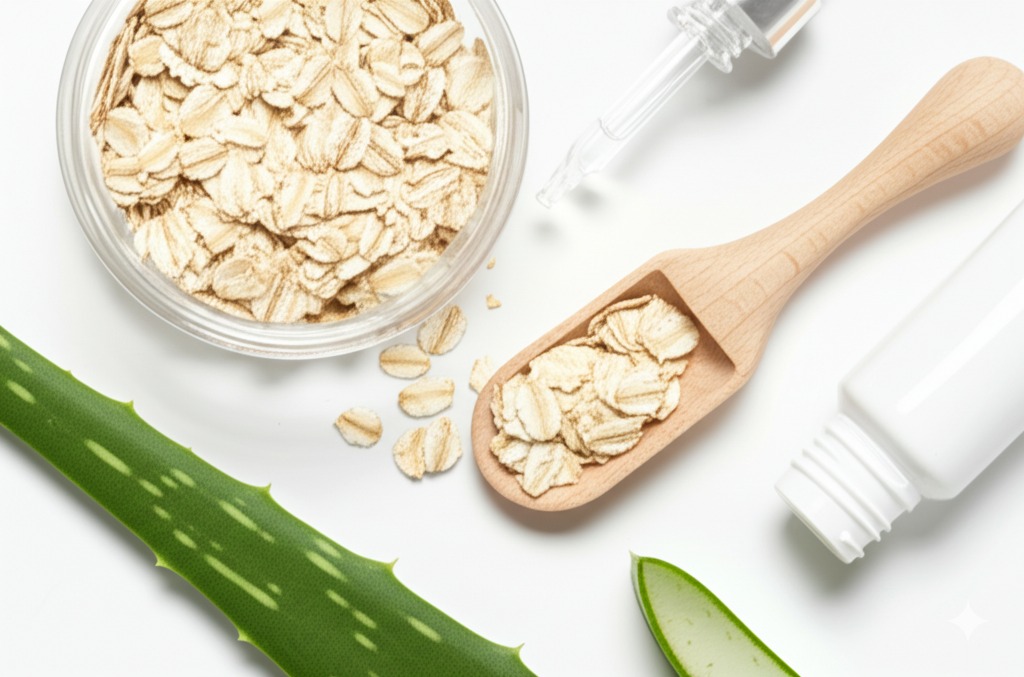
We have all been there: you try an aggressive new skincare active, spend a bit too much time in the sun, or over-exfoliate during your weekly routine, and suddenly your face is red, tight, and stinging. Irritated skin is not just a cosmetic annoyance—it is a clear biological distress signal. It means your skin’s protective lipid barrier has been compromised, leaving the delicate layers beneath exposed to environmental aggressors and moisture loss.
When your skin is in a highly reactive state, doing too much will only worsen the inflammation. Healing an angry complexion requires a strategic, minimalist approach centered around cellular calming and deep barrier repair. By understanding how to properly hit the “reset button” on your routine, deploy targeted soothing ingredients, and patch up your protective moisture seal, you can restore your skin to a balanced, comfortable state without triggering further flare-ups.
1. The Science: What Happens When Your Skin Barrier Breaks Down
To fix an irritated complexion effectively, we have to look closely at the outermost layer of the epidermis: the stratum corneum.

The Moisture Barrier Shield: Healthy skin relies on a strict internal ratio of protective lipids to seal in vital hydration and lock out external irritants.
Often described using a brick-and-mortar model, this cellular shield relies on a very specific biological composition to function. The “bricks” are your skin cells (corneocytes), and the “mortar” is an intercellular lipid matrix made up of a strict, healthy ratio of essential fats:
50% Ceramides • 25% Cholesterol • 15% Free Fatty Acids
When environmental stressors, over-cleansing, or aggressive active ingredients strip away these lipids, the mortar develops microscopic gaps. This structural breakdown triggers two immediate cellular events:
- Trans-Epidermal Water Loss (TEWL): Without the lipid seal, deep hydration evaporates rapidly into the air, leaving cells deflated, tight, and prone to flaking.
- Neurosensory Activation: The cracked surface allows external irritants to penetrate deep enough to come into direct contact with sensory nerve endings. This signals your immune system to release pro-inflammatory proteins (cytokines), resulting in immediate redness, heat, and stinging.
2. At-A-Glance: The Best Ingredients for Calming Active Irritation
When your skin barrier is compromised, your routine should shift away from altering skin behavior and focus entirely on structural support. Look for products featuring these clinically proven soothing compounds:
| Ingredient Base | Technical INCI Name | Target Mechanism | Ideal Skin State |
|---|---|---|---|
| Centella Asiatica (Cica) | Madecassoside, Asiaticoside | Down-regulates inflammatory pathways and accelerates cellular tissue repair. | Hot, pulsing redness; chemical product burns; raw spots. |
| Biomimetic Ceramides | Ceramide NP, Ceramide AP, Ceramide EOP | Physically replaces missing intercellular lipids to glue the cellular matrix back together. | Chronic dry flaking; paper-like tightness; barrier thinning. |
| Panthenol (Pro-Vitamin B5) | Panthenol | Acts as a powerful humectant to draw water into deeper layers while stabilizing the outer lipid shield. | Intense stinging during product application; windburn. |
| Colloidal Oatmeal | Avena Sativa Kernel Flour | Forms a breathable, nutrient-dense physical coating that binds to the skin to block histamines. | Persistent itching; dry eczema patches; reactive heat rashes. |
3. The 3-Step Emergency Protocol for Reactive Skin Flare-Ups
If your skin starts burning or breaks out in raw, tight patches, you need to strip your routine back to the absolute basics immediately. Follow this simple, low-friction emergency protocol:
1. Switch to a Non-Foaming, Cream Cleanser
Standard foaming cleansers contain harsh surfactants that strip away your skin’s remaining protective oils. While your skin is healing, wash your face only once a day (in the evening) using lukewarm water and a gentle, non-foaming cream or milk cleanser. In the morning, skip the cleanser entirely and simply splash your face with cool water.
2. Flood the Skin with a Calming Hydrator
Apply a clean, fragrance-free soothing serum or essence containing Centella Asiatica, Panthenol, or Hyaluronic Acid to slightly damp skin. This immediately floods the parched cellular layers with water, calming hot sensory nerves and reducing that tight, paper-like feeling.
3. Seal the Cracks with a Lipid-Rich Cream
Follow your hydrator with a thick, nourishing moisturizer packed with ceramides or fatty acids. For extremely raw or peeling areas, apply a thin layer of a restorative balm or ointment over the top before bed. This acts as an artificial shield, holding moisture inside your skin so the tissue can repair itself overnight.
4. What to Put on Hold: Ingredients to Avoid While Healing
When trying to heal a damaged skin barrier, what you *don’t* put on your face is just as important as what you do. Lock these active ingredients in your cabinet until your skin feels completely normal:
- Chemical Exfoliants (AHAs and BHAs): Glycolic, Lactic, and Salicylic acids are fantastic for regular skin brightening, but applying them to an open skin barrier will cause intense stinging and deepen cellular damage.
- Pure Retinoids and Tretinoin: Retinoids accelerate cell turnover, which is an overwhelming demand for a barrier that is currently struggling to keep its basic structure together.
- Synthetic Fragrances and Essential Oils: Volatile fragrance compounds (like lavender, menthol, or citrus oils) slip right past a cracked skin barrier, triggering localized inflammation and potential contact allergies.
- Coarse Physical Scrubs: Manual scrubbing particles will physically rip open vulnerable skin cells, worsening redness and potentially spreading surface bacteria.
5. Long-Term Defense: The Step-by-Step Actives Reintroduction Phase
Reintroducing active ingredients in the wrong order or too quickly can instantly re-trigger barrier breakdown. Once your complexion is calm and comfortable, use this strict chronological sequence to integrate your treatment formulas safely:
-
Step 1: Establish a Baseline Comfort Window (Duration: 7 Days)
Before introducing any active treatment, ensure your skin can go a full week using only your basic cream cleanser, simple moisturizer, and mineral sunscreen with absolutely zero stinging, tightness, or lingering redness. -
Step 2: The Patch Test Protocol (Duration: 24–48 Hours)
Select a single active product you want to bring back (e.g., your preferred niacinamide serum or a gentle retinoid). Apply a pea-sized amount to a small, hidden patch of skin on your lower jawline or upper neck. Monitor the zone for 48 hours to check for delayed inflammatory responses. -
Step 3: The Slow-Drip Integration Phase (Frequency: 2x Per Week)
Apply the patch-tested active exactly twice a week (e.g., Monday and Thursday nights only) for two consecutive weeks. Always apply it over a thin layer of simple moisturizer first to slow down absorption speed and reduce potential intensity. -
Step 4: Evaluate and Step Up Frequency (Frequency: Alternate Nights)
If your skin barrier remains completely comfortable after 14 days, increase application to every other night. Do not introduce a second active product until you have successfully used the first one at this frequency for an additional two weeks without irritation.
6. Diagnostics: Is It Simple Irritation or an Allergic Reaction?
It is crucial to accurately diagnose what kind of reaction your skin is experiencing so you can treat it correctly. Review this quick structural breakdown to determine your current status:
- Standard Skin Irritation (Irritant Contact Dermatitis): This usually happens right where you applied a harsh product or exposed your skin to severe weather. The area feels tight, stings slightly when touched, looks pink or red, and may flake. It typically settles down within 48 to 72 hours of starting an emergency protocol.
- An Allergic Reaction (Allergic Contact Dermatitis): This reaction involves your immune system and can spread beyond the area where you applied the product. It often presents as intense, persistent itching, raised hives, red bumps, or noticeable swelling around the eyes and lips. If you experience these symptoms, stop all products and consult a medical professional for guidance.
7. FAQs: Safe Recovery Tips for Impaired Skin
Q: How long does it take for a damaged skin barrier to fully heal?
A: Expect a recovery window of roughly 2 to 4 weeks. While surface stinging can decrease within a few days of starting a minimalist routine, deep cellular repair takes time. Your skin’s natural renewal cycle takes about 28 days to build a complete array of new, structurally sound cells, so remain patient and consistent with your basic routine.Q: Can I still wear makeup while my skin is irritated?
A: It is best to avoid heavy makeup if possible. When your barrier is cracked, makeup pigments and solvents can sink into the skin and cause further irritation. If you must wear makeup, choose lightweight, mineral-based formulas that are free from fragrances and alcohol, and remove them gently with a cream cleanser at night.Q: Why does even my basic, gentle moisturizer sting when my skin is angry?
A: It is a normal reaction to wide-open moisture channels. When your lipid mortar is gone, the water content in your standard creams drops straight down onto exposed sensory nerve endings, causing a quick stinging sensation. If this happens, switch to a pure, waterless lipid balm or oil (like Jojoba Oil) for a day or two until the cracks begin to close.Q: Does drinking extra water help heal a damaged skin barrier?
A: Internal hydration helps, but topical protection is key. Drinking water supports overall skin cell health, but it cannot fix a broken outer barrier. If your lipid mortar is damaged, any internal hydration you try to send to the surface will simply evaporate through the cracks. Focus on using topically applied lipids like ceramides to patch the leaks from the outside.
Conclusion: Cultivating a Resilient Complexion
Soothing irritated skin is all about practicing patience and stepping back to let your skin do what it does best: heal. By removing aggressive active treatments, swapping out foaming cleansers for nourishing milk formulas, and flooding your stratum corneum with biomimetic lipids like ceramides and cica, you provide your skin with the ideal environment to rebuild its protective walls. Treat your skin gently, keep your routine minimal, and always support your healing barrier with a protective layer of daily sunscreen.
Want to build a balanced, daily routine that protects your skin barrier from day one? Learn how to structure your active ingredients safely by diving into our comprehensive playbook: The Ultimate Anti-Aging Skincare Routine: Step-by-Step Morning & Evening Protocol.
Leave a Reply