
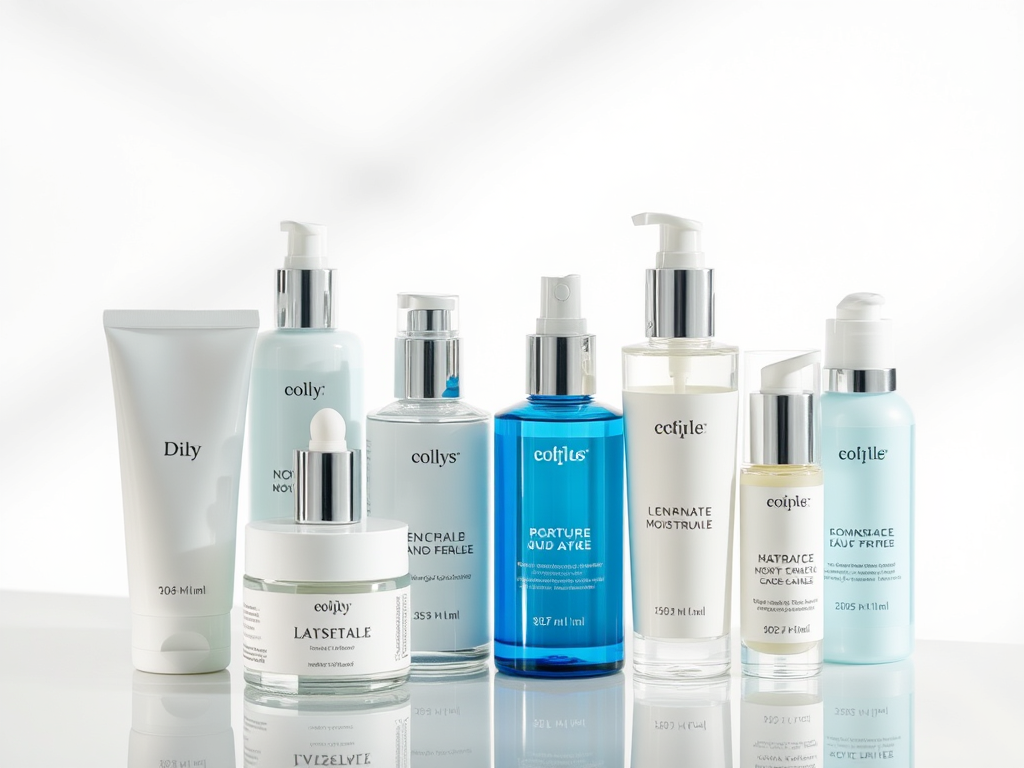
It’s the cornerstone of every skincare routine, the comforting embrace after cleansing, and the final seal for all your precious serums. We’re talking about **moisturizer**. But with a dizzying array of lotions, creams, gels, and balms promising everything from “intense hydration” to “matte finish,” how do you cut through the noise and find the **perfect hydrating moisturizer** for *your* unique skin? It’s a common dilemma that can leave your complexion feeling less than its best.
The right moisturizer is essential for more than just surface comfort; it’s vital for maintaining your **skin barrier health**, preventing **transepidermal water loss (TEWL)**, and ensuring **lasting hydration**. Whether you battle persistent dryness, unexpected dehydration, or manage the complexities of oily, acne-prone, or **sensitive skin**, this guide is your roadmap to selecting the ideal formula that delivers profound **moisture retention** and unlocks your natural, radiant **dewy glow**.
This comprehensive guide will demystify the science of moisturizers, break down their key components, help you understand what your specific **skin type** needs, and equip you with the knowledge to make an informed choice for ultimate **skin health**.

In This Guide:
- What Exactly is a Moisturizer? Why It’s Crucial for Skin Health
- The Key Components of a Hydrating Moisturizer: The Triple Threat
- Choosing by Skin Type: Your Personalized Moisturizer Guide
- Other Factors to Consider When Choosing
- How to Apply Your Hydrating Moisturizer for Maximum Benefit
- FAQs: Hydrating Moisturizers
- Conclusion: Your Journey to Perfectly Hydrated Skin
What Exactly is a Moisturizer? Why It’s Crucial for Skin Health
At its core, a **moisturizer** is a cosmetic formulation designed to maintain and restore the skin’s moisture content, providing an **occlusive barrier** that helps prevent **transepidermal water loss (TEWL)**. It’s the essential final step in most **skincare routines** because it:
- **Seals in Hydration:** Locks in all the beneficial serums and treatments applied underneath.
- **Supports Skin Barrier:** Provides essential lipids and protective layers to reinforce your **skin barrier integrity**.
- **Protects Skin:** Acts as a physical shield against environmental aggressors.
- **Softens & Smooths:** Improves **skin texture** and **skin suppleness**, reducing dryness and roughness.
Understanding its role in preventing **TEWL** is key. For more on this, see: What is TEWL? Understanding Transepidermal Water Loss and How to Prevent It. For a broader view on overall skin hydration, explore our pillar post: The Ultimate Guide to Hydrate Skin: Achieving a Lasting, Dewy Glow.
The Key Components of a Hydrating Moisturizer: The Triple Threat
The most effective **hydrating moisturizers** don’t just add a single ingredient; they strategically combine three categories of ingredients that work synergistically:
1. Humectants: The Water Magnets
- **Function:** These **water-binding ingredients** actively attract water from the environment and deeper skin layers, drawing it into the epidermis. They are crucial for true **deep skin hydration**.
- **Key Ingredients:** **Hyaluronic Acid (HA)**, **Glycerin**, Urea, Sodium PCA, Lactic Acid (at low conc.), Betaine, Amino Acids.
- **How they work:** They act like sponges, plumping up skin cells and providing a reservoir of moisture.
For a detailed exploration of these water-binding powerhouses: Humectants Beyond Hyaluronic Acid: Exploring Glycerin, Urea, Sodium PCA, and More.
2. Emollients: The Smoothers & Softeners
- **Function:** These smooth, soften, and condition the skin, filling in the microscopic gaps between skin cells. They help restore the skin’s surface and improve its texture.
- **Key Ingredients:** **Ceramides**, Fatty Acids, Cholesterol, Squalane oil, Jojoba oil, Shea Butter, Coconut Oil (use with caution for acne-prone skin), plant oils (Sunflower, Safflower).
- **How they work:** They mimic natural skin lipids, creating a soft, supple feel and helping to repair the **skin moisture barrier**.
For more on the building blocks of your barrier: The Role of Fatty Acids & Cholesterol in Skin Barrier Health (Beyond Ceramides).
3. Occlusives: The Moisture Sealers
- **Function:** These form a physical barrier on the skin’s surface, creating a protective film that traps moisture underneath and prevents **transepidermal water loss (TEWL)**.
- **Key Ingredients:** Petrolatum (Vaseline), Mineral Oil, Lanolin, Dimethicone, Zinc Oxide, Titanium Dioxide, waxes (beeswax), thicker plant oils.
- **How they work:** They provide a physical seal, ensuring all the humectants and emollients stay put and perform their best for **moisture retention**.

Choosing by Skin Type: Your Personalized Moisturizer Guide
The “perfect” moisturizer isn’t one-size-fits-all. It’s about matching the formulation to your specific **skin type** and its needs:
For Dry Skin: Rich & Nourishing
- **Needs:** High levels of emollients to provide lipids (oils) that dry skin lacks, and strong occlusives to prevent **TEWL**.
- **Look for:** Rich creams or balms. Key ingredients include **ceramides**, **fatty acids**, **cholesterol**, shea butter, Squalane oil, petrolatum, mineral oil, and plenty of **Glycerin** or **Hyaluronic Acid**.
- **Why:** These provide intensive **dry skin relief** by rebuilding the lipid barrier and deeply nourishing the skin.
Shop Best Ceramide Moisturizers for Dry Skin
For Oily & Acne-Prone Skin: Lightweight & Balancing
- **Needs:** Hydration without clogging pores or feeling greasy. Formulas that help regulate **sebum production**.
- **Look for:** Lightweight lotions, gel-creams, or fluid moisturizers labeled **”non-comedogenic”** and “oil-free.” Ingredients like **Glycerin**, **Hyaluronic Acid**, **Squalane oil**, and **Niacinamide** are excellent.
- **Why:** These provide essential **skin hydration** without contributing to excess oil or breakouts. Niacinamide and Squalane can actually help balance **oily skin relief**.
Shop Squalane for Acne-Prone Skin
For Combination Skin: Versatile & Zone-Specific
- **Needs:** A moisturizer that balances hydration – hydrating dry areas without making oily areas greasier.
- **Look for:** Medium-weight lotions or gel-creams that absorb well. Many formulations with a balance of humectants and lighter emollients work well. You might even use different moisturizers for different zones (e.g., lighter gel on T-zone, richer cream on cheeks).
- **Why:** Provides tailored hydration, addressing the varied needs across your face.
For Sensitive & Reactive Skin: Gentle & Soothing
- **Needs:** Minimal ingredients, **fragrance-free**, dye-free formulas that focus on **skin barrier repair** and calming.
- **Look for:** Products labeled “hypoallergenic” and “dermatologist-tested for sensitive skin.” Key ingredients include **Glycerin**, **Hyaluronic Acid**, **ceramides**, colloidal oatmeal, panthenol, and **Niacinamide** for **redness reduction**.
- **Why:** These formulations reduce the risk of irritation and actively work to soothe and strengthen a **compromised skin barrier**. (See: Glycerin for Sensitive Skin: Soothing Benefits).
For Aging Skin: Restorative & Plumping
- **Needs:** Richer formulas that combat age-related dryness and provide ingredients for **skin elasticity** and **fine lines and wrinkles**.
- **Look for:** Moisturizers with a strong lipid profile (**ceramides**, fatty acids, cholesterol), potent humectants, and additional anti-aging ingredients like peptides, antioxidants (**Vitamin C**), and **Niacinamide**.
- **Why:** Addresses age-related **skin dehydration**, loss of lipids, and supports collagen.

Other Factors to Consider When Choosing
- **Climate & Season:** Your skin needs can change. A lighter lotion might suffice in humid summers, while a richer cream is essential for dry winters.
- **Complementary Ingredients:** Look for moisturizers that include other beneficial ingredients like **Niacinamide** for **sebum regulation** or **hyperpigmentation**, or antioxidants for environmental protection. (See: Comparing Barrier Boosters: Ceramides vs. HA vs. Niacinamide).
- **SPF (for daytime):** While a separate SPF is recommended, many daytime moisturizers include SPF, which can be convenient for basic daily protection. However, always ensure it’s a broad-spectrum SPF 30+.
- **Packaging:** Jars can expose ingredients to air and light, potentially degrading some active ingredients over time. Tubes and pump bottles are generally more hygienic and preserve product stability.
Explore All Hydrating Moisturizers
How to Apply Your Hydrating Moisturizer for Maximum Benefit
Even the **perfect hydrating moisturizer** needs proper application to work its magic:
- **To Damp Skin:** Apply your moisturizer immediately after applying serums, while your skin is still slightly damp. This helps to lock in hydration and ensures humectants have water to bind to.
- **Layer Correctly:** Moisturizer is typically the final step before SPF (in the morning) or a facial oil (at night). Apply it after your thinner serums. For a complete guide on **skincare routine order**, see: Skincare Layering: The Right Routine Order for Maximum Hydration & Skin Health.
- **Use Enough:** Don’t skimp. Apply a generous, even layer to your face and neck.
- **Pat, Don’t Rub:** Gently press or pat the moisturizer into your skin for optimal absorption and to avoid pulling.
- **Consistency:** Use both morning and night for continuous **moisture retention** and **skin barrier support**.

Leave a Reply